


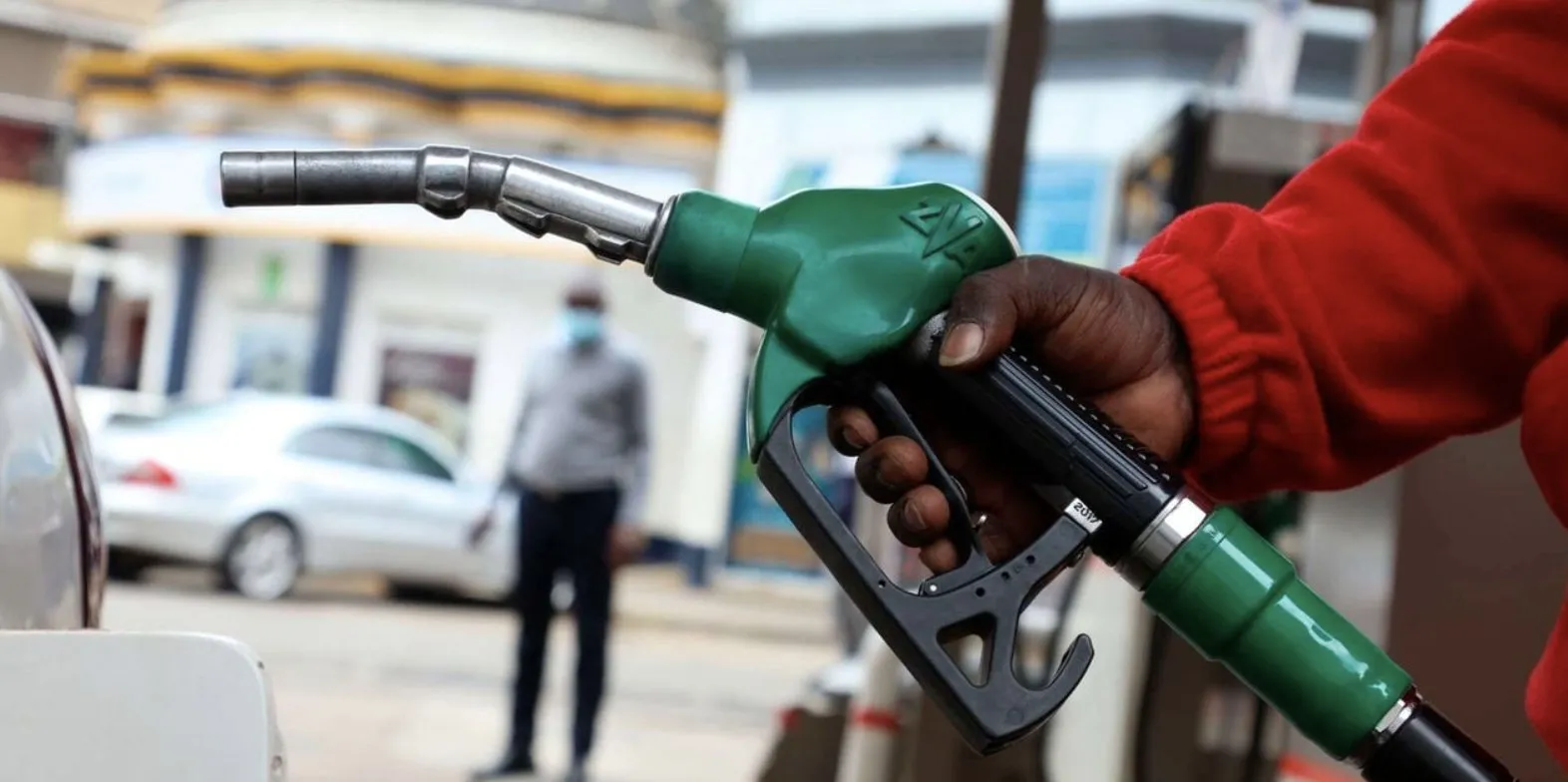
NAIROBI, Kenya — The Energy and Petroleum Regulatory Authority (EPRA) has announced a reduction in fuel prices across Kenya following a fresh review of the Value Added Tax (VAT), offering temporary relief to consumers after a sharp increase earlier this week.
In a statement issued on Wednesday, the regulator said the price of Super Petrol will now retail at KSh197.60 per litre, while diesel will cost KSh196.63 per litre in Nairobi.
“As a result, the pump price per litre in Nairobi for Super Petrol and diesel has decreased by KSh9.37 and KSh10.21 respectively, while kerosene remains unchanged,” EPRA said.
The latest revision follows the enactment of Legal Notice No. 70 dated April 15, 2026, through which the Cabinet Secretary for the National Treasury reduced VAT on petroleum products from 13% to 8%.
EPRA said it had recalculated the maximum retail pump prices in line with the new tax regime, with the revised prices taking effect from April 16 and remaining in force until May 14, 2026.
“Consequently, the level of subsidy on Kerosene reduces from the current Sh108.10 per litre to Sh96.56/ per litre.”
The adjustment comes just days after EPRA’s April–May pricing cycle, which had seen a steep increase in fuel costs. In that earlier review, petrol and diesel prices rose by Sh28.69 and Sh40.30 per litre respectively, pushing pump prices in Nairobi above the Sh200 mark.
At the time, Super Petrol, diesel and kerosene were priced at Sh206.97, Sh206.84 and Sh152.78 per litre respectively, reflecting rising landed costs and global oil price pressures.
The government had also reduced VAT from 16% to 13% during that cycle and deployed approximately Sh6.2 billion from the Petroleum Development Levy Fund to cushion consumers.
Kenya’s fuel pricing remains highly sensitive to international market forces, with petroleum products traded in US dollars and influenced by global supply disruptions, particularly ongoing geopolitical tensions in key oil-producing regions.
In addition to global benchmarks, local pump prices are shaped by exchange rate movements, taxation policies, importation frameworks and distribution costs.
Also Read: Kenya tops East Africa fuel price chart as petrol crosses KSh206 per litre
EPRA noted that some shipments, including Super Petrol delivered by One Petroleum via the MT Paloma, were excluded from the pricing computation, reflecting ongoing complexities in the supply chain.
The latest VAT-driven reduction partially reverses the earlier surge, but fuel prices remain elevated compared to previous months, continuing to exert pressure on transport costs, inflation, and household budgets.
Industry analysts say the rapid back-to-back adjustments highlight the delicate balance policymakers face between revenue generation and cost-of-living concerns, especially amid fluctuating global oil markets.
EPRA has maintained that its pricing model is designed to reflect market fundamentals while ensuring stability and fairness for both consumers and oil marketers.
