


NAIROBI, Kenya — The Independent Electoral and Boundaries Commission (IEBC) has signalled that politicians removed from office through impeachment may still have a route back to the ballot in the 2027 General Election if they are pursuing legally recognised appeals or review proceedings.
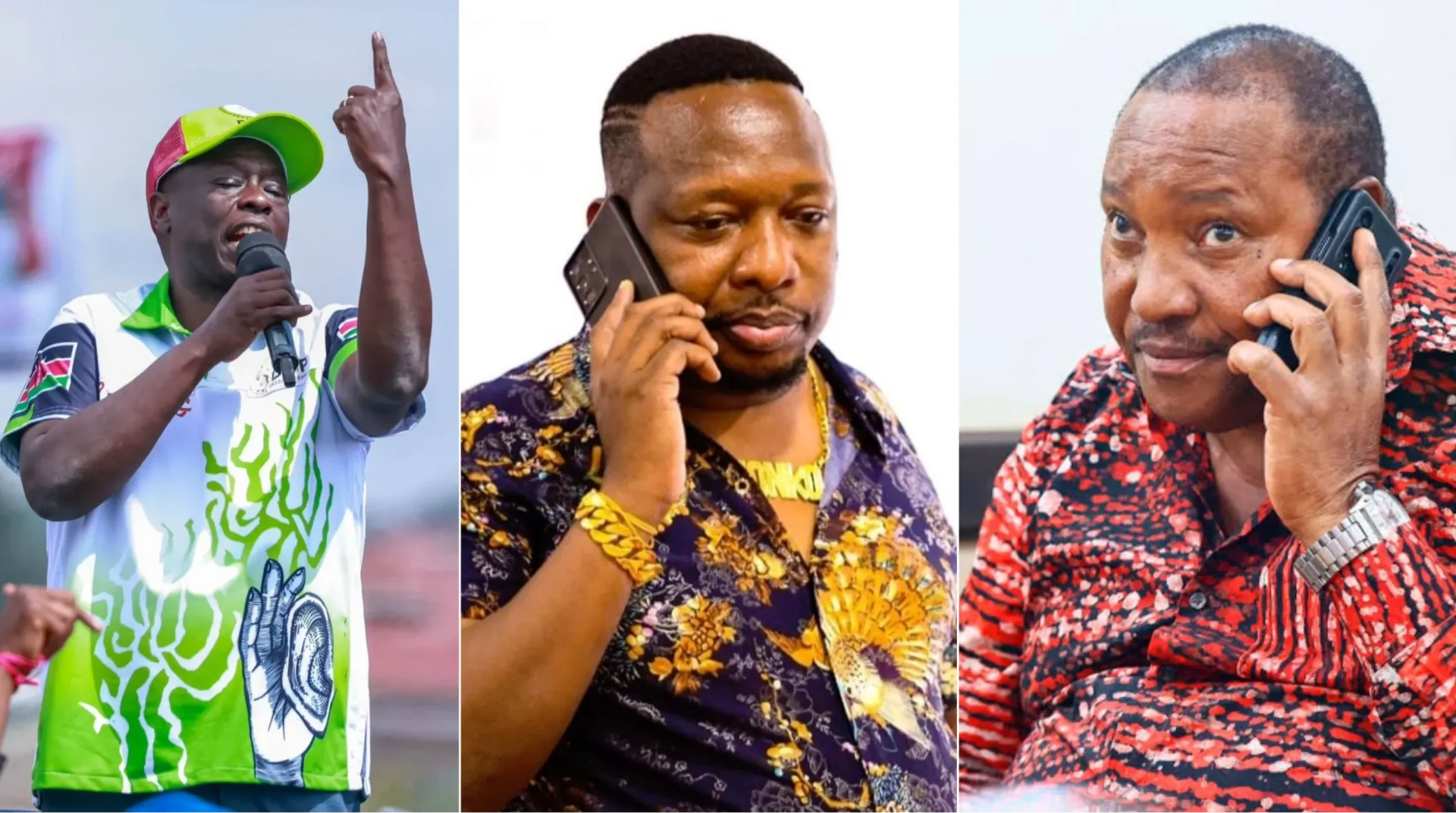
The position could reopen the political debate surrounding former Deputy President Rigathi Gachagua, former Nairobi Governor Mike Sonko and former Meru Governor Kawira Mwangaza, all of whom were removed from office through impeachment and have challenged, or sought to challenge, decisions arising from their removal.
Speaking during a strategic engagement forum with political journalists on Tuesday, November 24, IEBC Director of Legal Affairs Chrispine Owiye said candidates should not automatically be disqualified while a relevant appeal or review process remains active.
Owiye cited constitutional safeguards that protect individuals from certain forms of disqualification before available legal remedies have been exhausted.
“We have seen that even for a person who has been convicted, as long as that person can demonstrate that he is pursuing an appeal or review of that decision, he is qualified to contest,” Owiye said.
The Commission pointed to Article 99(3) of the Constitution, which provides that a person cannot be disqualified under the relevant provisions until all possibilities of appeal or review of the decision or sentence have been exhausted. Article 193(3) contains a similar safeguard for candidates seeking election to county assemblies.
However, the interpretation raises a wider constitutional question: does the protection against premature disqualification also apply to the consequences of impeachment, particularly where the removal was linked to alleged violations of Chapter Six of the Constitution?
Gachagua’s 2027 ambitions face a legal test
Gachagua’s political ambitions are likely to bring the debate into sharper focus.
The former Deputy President was removed from office by the Senate on October 17, 2024, after senators upheld five of the 11 charges brought against him. He denied the allegations and challenged the impeachment process in court.
In June 2026, the High Court upheld his removal, although the judges found that aspects of the proceedings had violated his rights to a fair hearing and fair administrative action. The court awarded him Sh50 million in constitutional damages.
Gachagua subsequently appealed the judgment at the Court of Appeal, arguing that the High Court had erred in upholding his removal despite finding violations of his constitutional rights.
The latest legal developments have therefore left his political ambitions tied to the outcome of the appellate process and the interpretation of the constitutional provisions governing eligibility.
He has repeatedly maintained that he intends to contest the presidency in 2027, meaning the question of whether his appeal preserves his eligibility could become a significant issue as political parties and aspirants prepare for the election.
Sonko’s case exposes the complexity of the debate
Former Nairobi Governor Mike Sonko provides an important example of how impeachment disputes can affect electoral eligibility.
Sonko was removed from office in December 2020 and later sought to contest the Mombasa gubernatorial seat in the 2022 General Election.
He initially obtained a court decision that allowed his candidature to proceed while he challenged his impeachment. However, the Supreme Court overturned that position on July 15, 2022, dismissing his appeal and ruling that the process leading to his removal had complied with the Constitution and the law.
The ruling dealt a major blow to his political ambitions, with the court emphasising the constitutional responsibilities attached to public office.
Sonko has since pursued further legal avenues relating to his removal, including proceedings before the East African Court of Justice. However, the existence of a separate legal challenge should not automatically be treated as proof that his eligibility has been restored. The nature, status and legal effect of any pending proceedings remain important considerations.
Mwangaza’s appeal adds another dimension
Kawira Mwangaza, who was impeached as Meru Governor in August 2024, is another former county chief whose political future could be affected by the constitutional debate.
Mwangaza challenged her removal in court, but the High Court declined to overturn the Senate’s decision. She subsequently pursued an appeal, keeping the legal dispute alive.
Her case raises similar questions about whether a challenge to an impeachment decision can preserve a former office-holder’s eligibility while the courts consider the matter.
The IEBC’s clarification may therefore be significant for her political plans, although the Commission’s general explanation does not amount to an individual clearance of any candidate.
Supreme Court yet to settle the constitutional question
The wider dispute has already reached the Supreme Court through a reference filed by Meru County Assembly Speaker Ayub Bundi.
The reference seeks an advisory opinion on the relationship between constitutional provisions governing leadership integrity, eligibility for elective office and disqualification following removal from public office.
In July 2026, the Supreme Court directed Bundi to first obtain advice from the Attorney-General before the court could proceed with the substantive consideration of the reference.
Also Read: IEBC says it cannot afford to livestream 2027 election results
That ruling did not determine whether an impeached leader can contest an election while challenging the removal decision. Instead, it set out a procedural step that had to be completed before the court could consider the constitutional questions.
At the centre of the debate is the relationship between Articles 75, 99 and 193 of the Constitution. Article 75(3) provides for disqualification from holding State or public office where a person is removed from office for contravening Chapter Six, while Articles 99(3) and 193(3) contain safeguards relating to the exhaustion of appeals and reviews under the relevant eligibility provisions.
How these provisions should be read together could determine whether an ongoing court challenge is sufficient to keep an impeached politician eligible to contest, or whether the constitutional consequences of removal remain in force until a court reaches a particular determination.
For the IEBC, the challenge will be to apply the constitutional requirements consistently when examining candidates’ qualifications. For the affected politicians, the outcome could determine whether their political ambitions survive beyond the courtroom and onto the 2027 ballot.
Ultimately, the Commission’s latest remarks have reopened the door to debate, but they should not be mistaken for a blanket guarantee that every impeached leader will qualify to run.
The legal position of each aspirant will depend on the specific grounds for removal, the applicable constitutional provisions and the status and outcome of their individual court proceedings.
