



NAIROBI, Kenya — A protected prosecution witness on Tuesday gave detailed testimony in the murder trial of Kasipul MP Charles Ong’ondo Were, telling the High Court that he unknowingly transported a man later identified by investigators as a key suspect on the day the legislator was fatally shot in Nairobi.
Testifying before Justice Diana Kavedza at the Kibera Law Courts under tight security, the witness — the eighth prosecution witness in the case — recounted a series of movements across Nairobi that prosecutors argue connect the accused persons to the killing of the opposition legislator.
The witness told the court he was summoned to Jacaranda, where he met a man he later came to know as one of the suspects in the case.
Using his motorcycle, he ferried the man to a car wash before proceeding to Buruburu, where they allegedly linked up with another suspect driving a white Toyota Crown.
According to the testimony, the group later travelled toward Nairobi’s Central Business District (CBD), making a stop at a petrol station along Jogoo Road, where fuel for the vehicle was purchased.
The witness testified that one of the men carried a small bag and instructed him to wait while activities were carried out near Parliament.
He told the court that he later followed a vehicle associated with the victim through several parts of Nairobi, including Kenyatta Avenue, Valley Road and Hurlingham.
According to the witness, the journey ended near the Daystar University roundabout, where traffic congestion forced the motorcycle to stop.
Moments later, he heard gunshots.
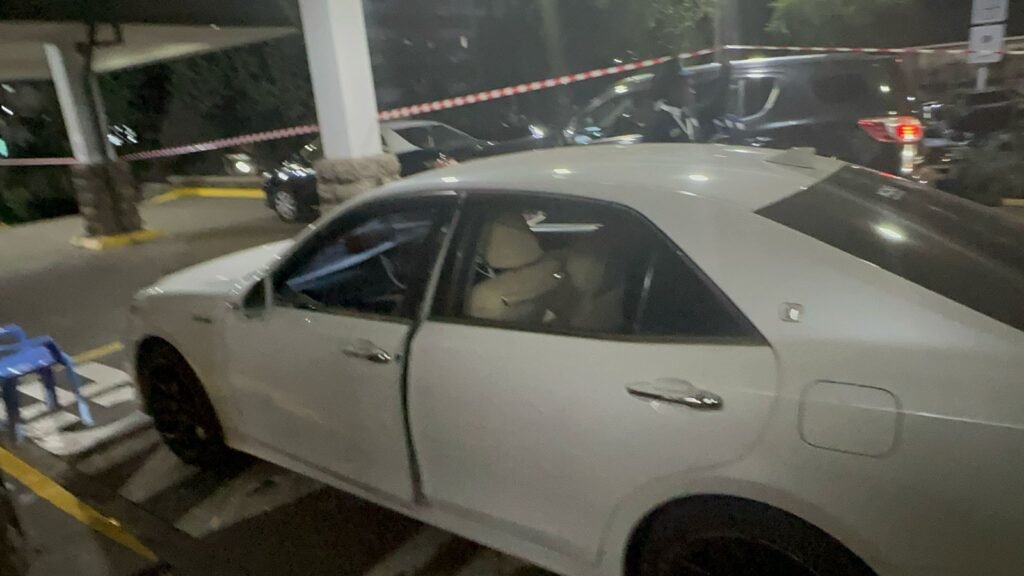
The witness said the passenger quickly returned, boarded the motorcycle and instructed him to leave the area immediately.
They later travelled back to Buruburu.
The court heard that the witness was later paid KSh50,000 for his services.
However, he maintained that he had no prior knowledge of any plan to kill the legislator and believed he had merely been hired to provide transport.
Under questioning, the witness insisted he only became aware of the gravity of the events after learning that a shooting had occurred.
His testimony forms a significant part of the prosecution’s effort to establish the movements of individuals allegedly involved in the killing and to place them near the scene at the time of the attack.
The prosecution has been presenting evidence aimed at reconstructing the events leading to the death of Ong’ondo Were, who was shot dead in Nairobi earlier last year in a killing that shocked the country’s political establishment.
Investigators have previously told the court that they are relying on a combination of witness testimony, mobile phone data, surveillance evidence and forensic findings to establish the roles allegedly played by the accused persons.
Legal analysts note that witness testimony linking suspects to movements before and after a crime can be critical in building a circumstantial case, particularly where prosecutors seek to demonstrate planning, coordination and execution.
However, courts generally require such evidence to be weighed alongside independent corroborating material before drawing conclusions about guilt.
Also Read: Breakthrough in MP Ong’ondo Were murder: Suspected weapon recovered, four arrested
Security remained heightened at the Kibera Law Courts during Tuesday’s proceedings, reflecting the sensitivity of a case involving the assassination of a sitting Member of Parliament.
The witness testified under protective measures, with access to parts of the proceedings restricted.
The accused persons have denied the charges against them.
Justice Kavedza is expected to continue hearing prosecution witnesses as the trial progresses.
The court will ultimately determine whether the evidence presented proves the allegations beyond reasonable doubt.
