


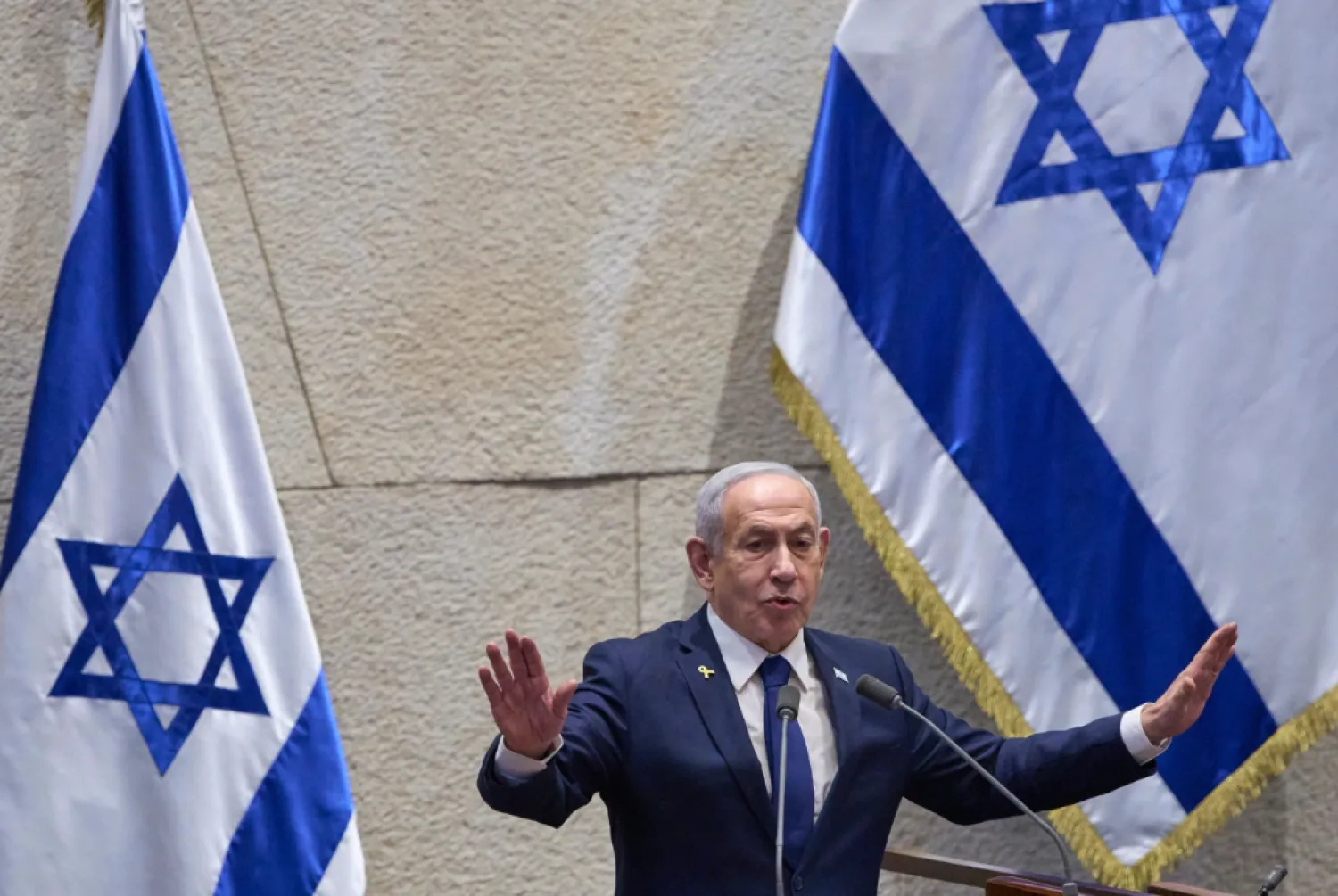
JERUSALEM, Israel — Israeli Prime Minister Benjamin Netanyahu has rejected a 15-point US-backed plan for Gaza, insisting that Israel will not withdraw its forces until Hamas has been “genuinely” disarmed.
Netanyahu made the remarks on Sunday, August 9, 2026, dealing another setback to efforts led by US President Donald Trump to secure a lasting settlement in the Gaza Strip.
At a cabinet meeting, Netanyahu said Israel opposed the document in its current form and would not agree to a military withdrawal that was not preceded by the complete disarmament of Hamas and other armed groups.
“Israel rejects the 15-point document,” Netanyahu said.
He added that the Israeli military would not withdraw until Hamas was genuinely disarmed and would continue taking action against threats to Israeli forces and civilians.
Netanyahu sets condition for withdrawal
Netanyahu’s position directly conflicts with Hamas’ stated position on the sequencing of the proposed agreement.
Hamas has indicated that the surrender of its heavy weapons is conditional on Israel ending military operations in Gaza and withdrawing its forces from the territory.
The disagreement over which step should come first — Hamas’ disarmament or an Israeli withdrawal — has emerged as one of the central obstacles to implementing the proposed framework.
Netanyahu warned against what he described as a symbolic or incomplete disarmament arrangement.
He said Hamas must be genuinely disarmed and that Israel could not accept what he called a “fictitious disarmament”.
The Israeli prime minister said his government was continuing discussions with US officials over how to proceed with the plan.
“They have ideas; some of them are acceptable to us and some are not, and we know how to stand our ground on these matters,” Netanyahu said.
Trump plan faces fresh obstacle
Trump had presented the Gaza framework as a major step towards ending the conflict and establishing a long-term security and reconstruction arrangement.
The proposal includes provisions for the disarmament of Hamas and other armed groups, an Israeli military withdrawal and the reconstruction of Gaza.
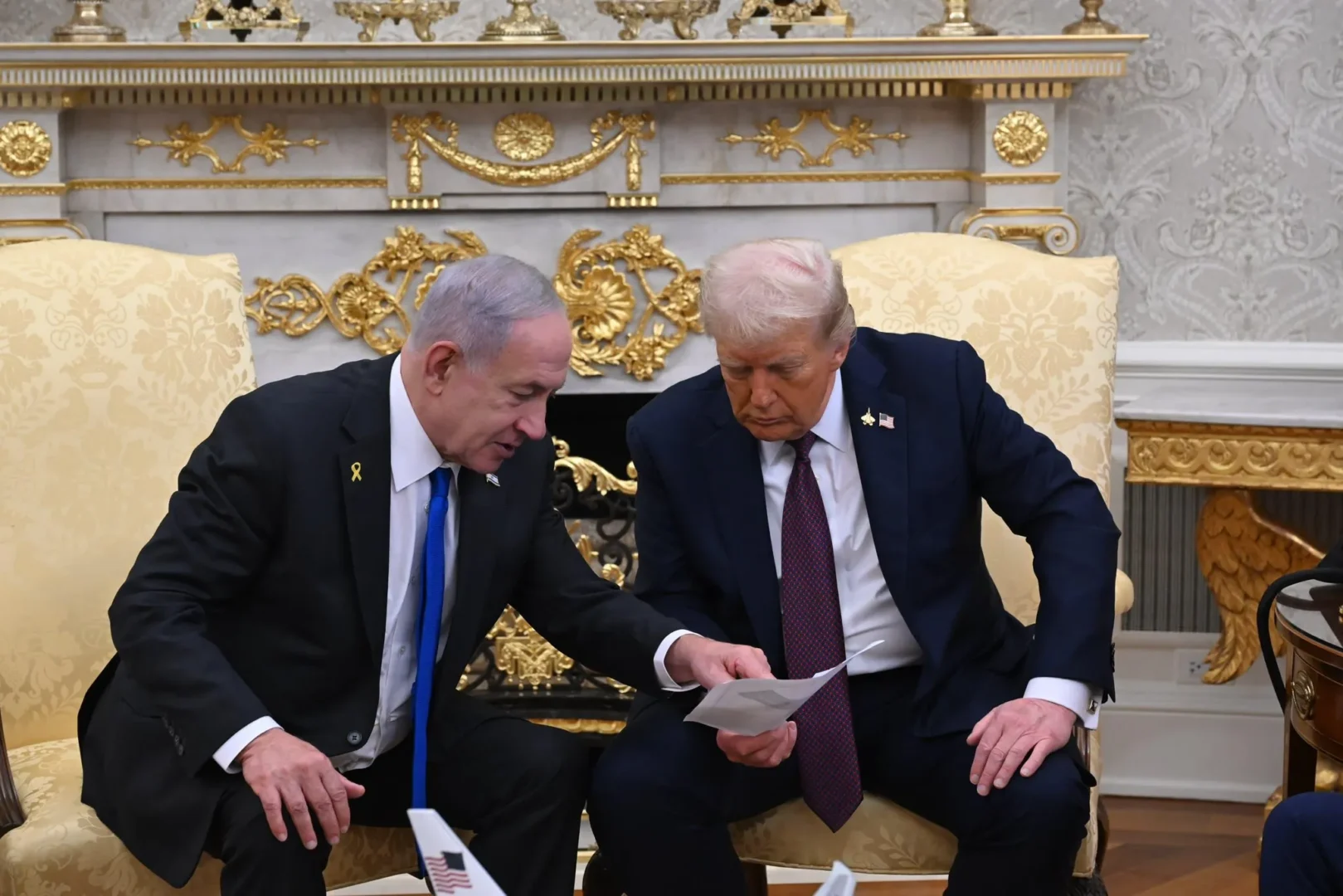
It also envisages the Board of Peace, a body intended to oversee implementation of the proposed agreement.
The US administration had described Hamas’ reported acceptance of the disarmament framework as a significant development in efforts to end the conflict.
Netanyahu’s rejection of the document, however, leaves the plan facing a major political and security hurdle.
Hamas and Israel remain divided
Hamas has resisted demands that it surrender its weapons without corresponding guarantees that Israeli military operations will end and Israeli forces will leave Gaza.
Israel, meanwhile, has maintained that Hamas cannot retain its military capabilities if the territory is to move towards a lasting peace arrangement.
The two positions leave little room for immediate agreement on the most contentious element of the proposed framework.
Israel has also continued military operations in Gaza despite an earlier ceasefire arrangement, adding to uncertainty over the durability of any future agreement.
Netanyahu faces pressure from coalition allies
Netanyahu is also facing opposition to the Gaza plan from hardline members of his governing coalition.
National Security Minister Itamar Ben-Gvir has criticised the proposed framework, describing the draft as unacceptable and calling for renewed scrutiny of the agreement.
Also Read: Trump’s Gaza peace plan wins support from Middle East and European leaders
The political pressure comes as Israel approaches another election cycle, potentially limiting Netanyahu’s room to make concessions on issues involving Hamas, Israeli troop deployments and Gaza’s future governance.
For Trump, Netanyahu’s rejection represents another significant challenge to an initiative the US president has promoted as a pathway towards ending the Gaza conflict.
The immediate focus is now expected to shift to negotiations between Washington and Jerusalem over possible revisions to the proposal and whether a formula can be found that addresses Israel’s demand for Hamas’ disarmament while meeting Palestinian demands for an Israeli withdrawal.
The central dispute remains unresolved: Israel wants Hamas disarmed before withdrawal, while Hamas has tied disarmament to an end to Israeli military operations and withdrawal from Gaza.
