


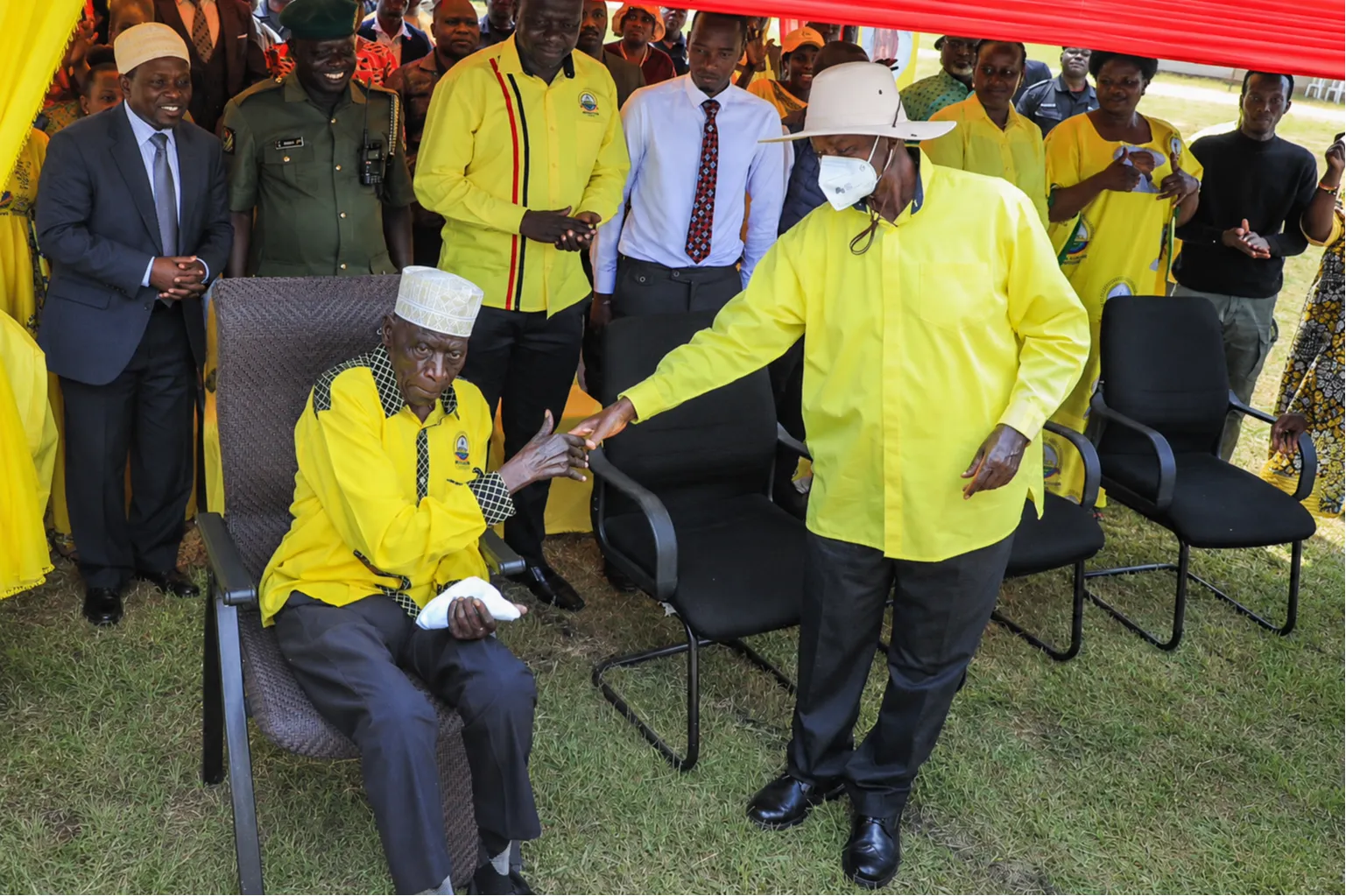
KAMPALA, Uganda — President Yoweri Museveni has led national tributes following the death of veteran politician and military leader Gen. Moses Ali, describing him as a patriot whose service to Uganda spanned decades of conflict, reconciliation and national development.
In a statement issued on Saturday 18, July 2026 evening, Museveni announced that the Second Deputy Prime Minister and Adjumani West Member of Parliament had died at Nakasero Hospital aged 87.
“It is with deep sorrow that I announce the death of our brother Gen. Moses Ali. He died today at Nakasero Hospital, at 1600 hours,” Museveni said.
The President’s tribute offered a glimpse into how the NRM government viewed one of Uganda’s most enduring political figures — not merely as a cabinet minister, but as a former adversary who became one of the architects of peace in the West Nile sub-region.
“Gen. Moses Ali has provided service to his country for a long time, as a soldier and a political leader,” Museveni said.
“In the West Nile region, he provided the good example of being a big modern farmer. We shall miss greatly his contribution. May the Almighty God rest his soul in eternal peace.”
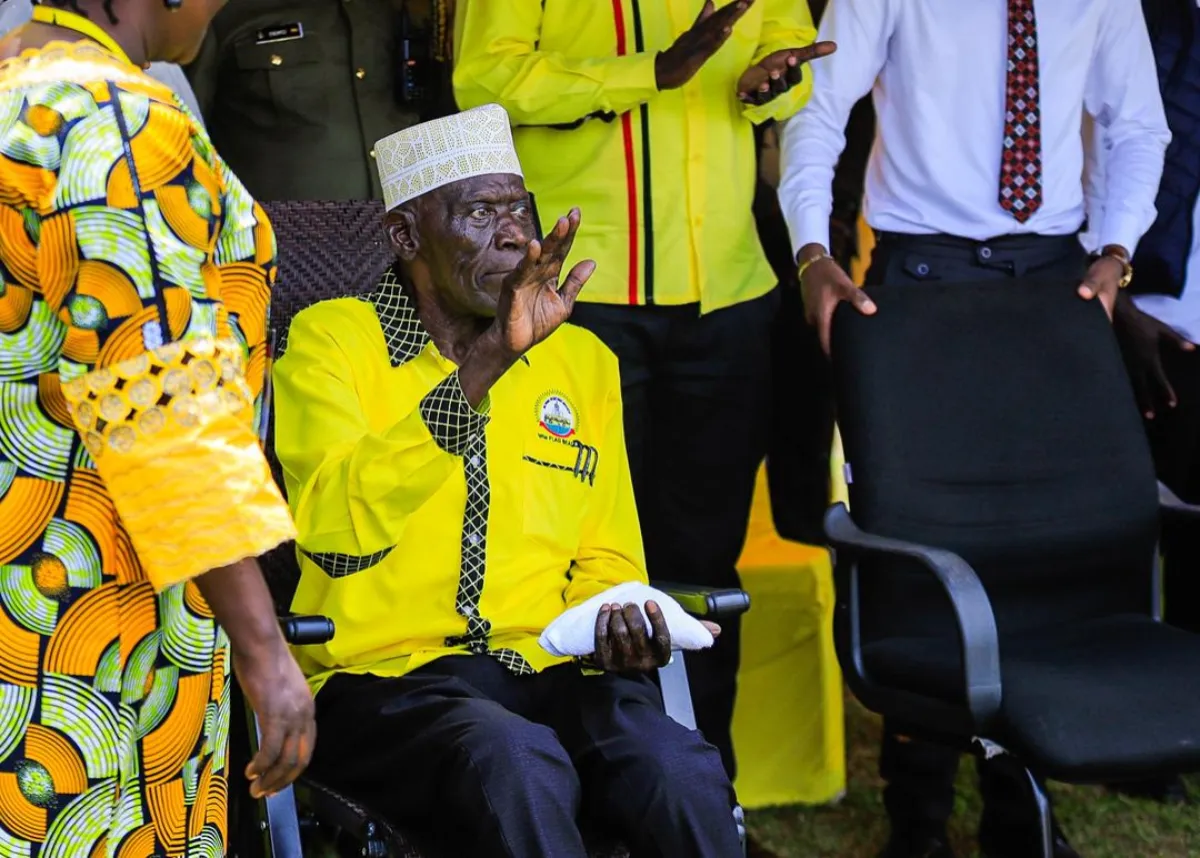
The remarks reflected a relationship that evolved through some of Uganda’s most turbulent political chapters.
Few figures travelled a political journey as complex as Gen. Moses Ali’s.
He served in the government of Idi Amin, later led the Uganda National Rescue Front (UNRF) rebellion after Amin’s fall, and eventually negotiated a peace agreement with Museveni’s government following the National Resistance Army’s capture of power in 1986.
That 1988 accord is widely regarded as one of Uganda’s most successful post-conflict settlements, helping restore stability in the West Nile region after years of insurgency and mistrust.
Political analysts have often pointed to the agreement as an early example of Museveni’s strategy of integrating former rivals into state institutions rather than pursuing prolonged military confrontation.
Few beneficiaries of that approach became as influential as Gen. Moses Ali.
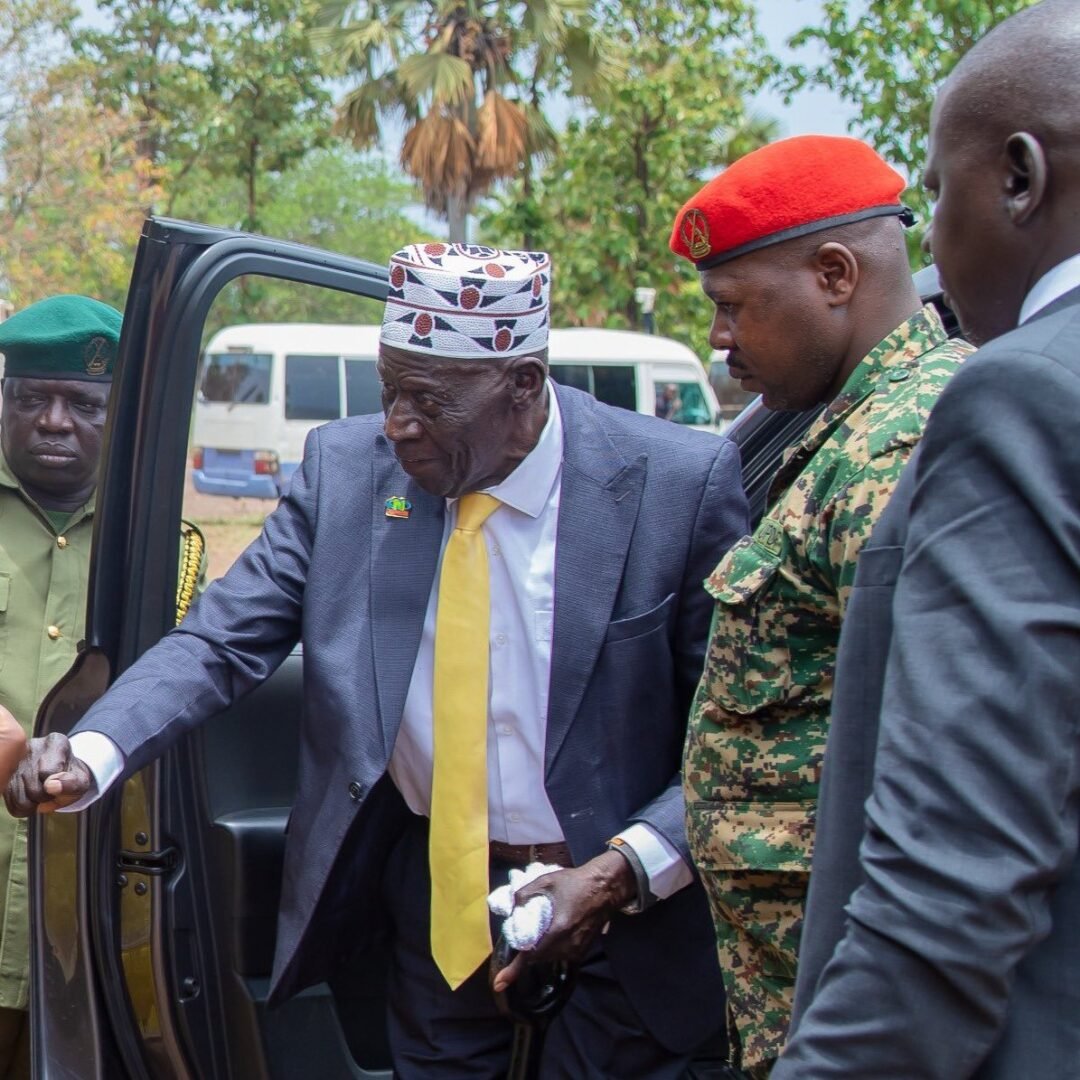
Over the next four decades, he transformed from rebel commander into one of the most recognisable faces in the NRM government, serving in several senior cabinet positions, including Minister for Relief, Disaster Preparedness and Refugees, First Deputy Prime Minister and later Second Deputy Prime Minister.
Beyond politics, Museveni’s tribute also highlighted a lesser-discussed aspect of Gen. Moses Ali’s legacy — his role as a commercial farmer.
The President frequently cited Gen. Ali’s agricultural investments in Adjumani as an example of wealth creation through modern farming, a central pillar of the NRM’s economic message in rural Uganda.
His farms became a showcase for commercial agriculture in West Nile, a region once synonymous with conflict and underdevelopment.
The President’s statement comes as tributes continue to pour in from across Uganda’s political divide, with leaders describing Gen. Moses Ali as a soldier, peace negotiator, elder statesman and bridge between different eras of the country’s history.
His death leaves Uganda with fewer surviving leaders whose careers directly intersected with the country’s military coups, insurgencies, peace negotiations and reconstruction efforts that shaped modern Uganda.
Government officials are expected to announce funeral arrangements and national burial honours in the coming days.
