


KYANKWANZI, Uganda — For many of the Ugandans gathered at the National Leadership Institute in Kyankwanzi on Sunday 19, July 2026, the journey home was not part of any plan.
Some had spent years building businesses in South Africa. Others had found employment, enrolled their children in schools and settled into communities they believed would offer a future. Then came the violence.
Shops were looted. Businesses were destroyed. Families fled. Three Ugandans lost their lives.
What began as another wave of xenophobic attacks targeting African migrants in South Africa ended with one of Uganda’s largest recent citizen evacuation efforts, bringing home more than 1,000 people who suddenly found themselves displaced from lives they had spent years constructing.
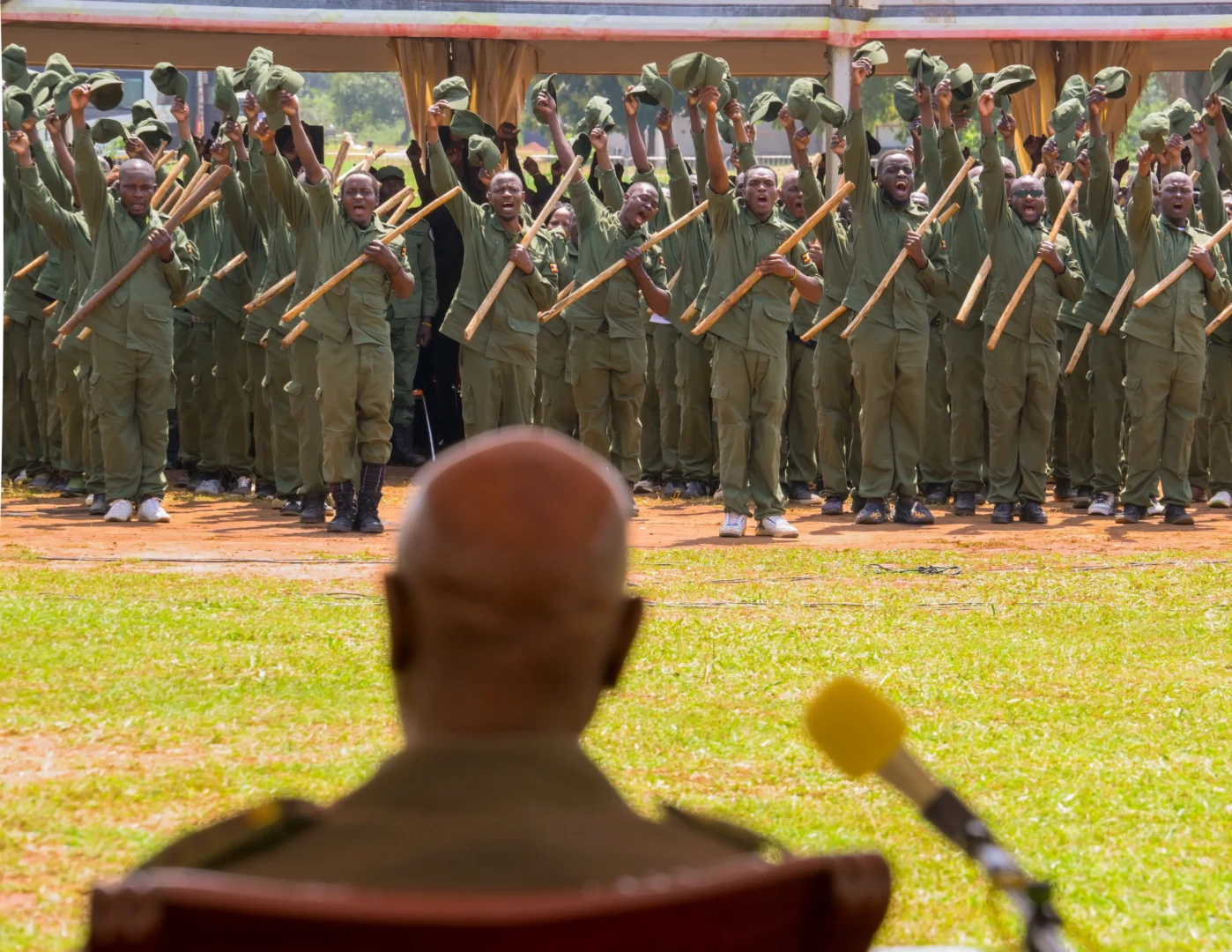
Standing before the returnees, President Yoweri Museveni framed the crisis as more than a humanitarian emergency.
He described it as a warning about the future of African unity.
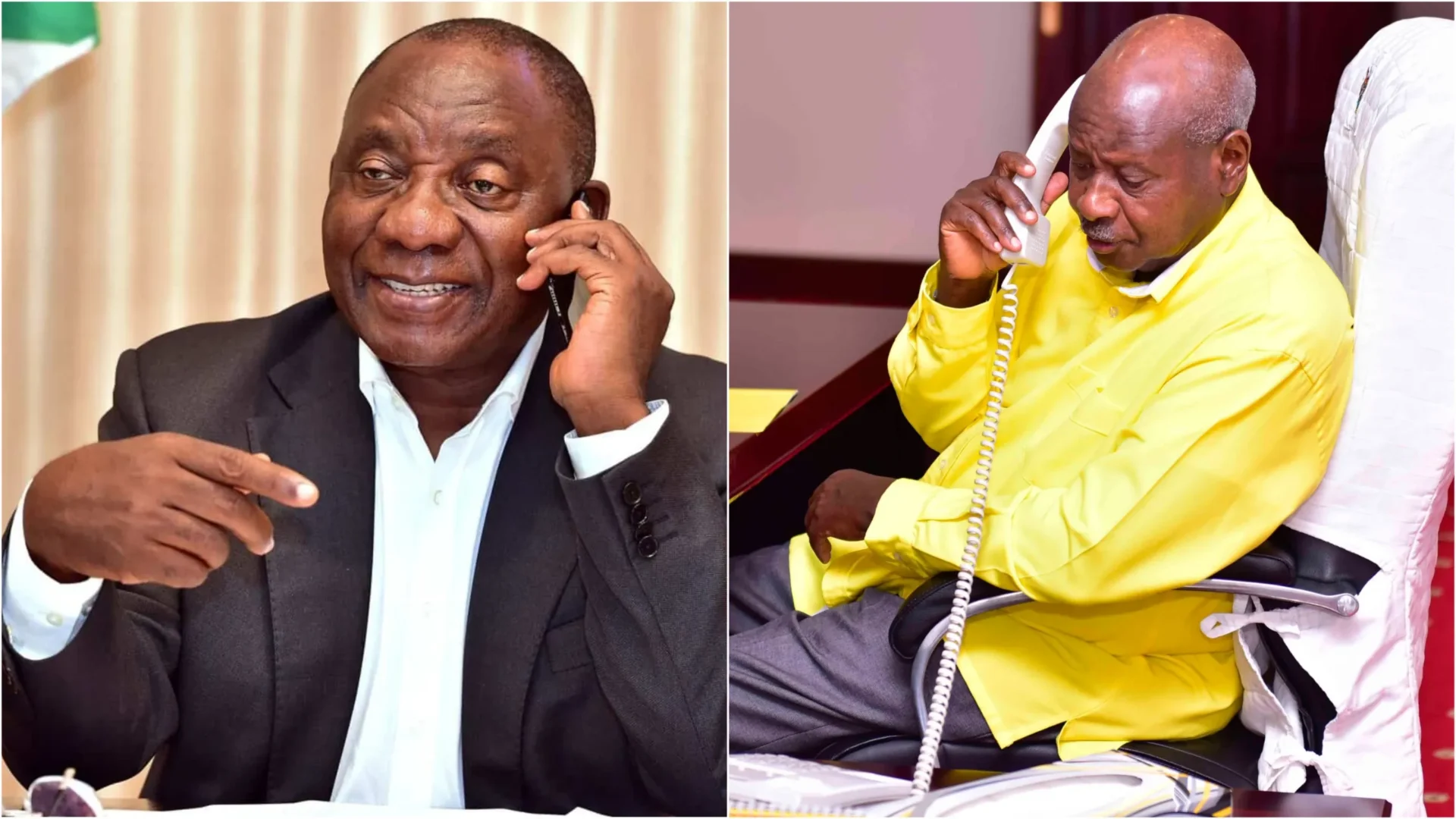
“I told President Ramaphosa that what is happening is dangerous for Africa,” Mr. Museveni said.
His remarks offered a glimpse into high-level diplomatic discussions that followed the attacks and highlighted growing concern across the continent about recurring violence against African migrants living in South Africa.
A test of African solidarity
The images that emerged from South Africa in recent weeks were familiar to many Africans.
Foreign-owned businesses attacked.
Migrants hunted.
Communities living in fear.
For years, xenophobic violence has periodically erupted in South Africa, often fuelled by frustrations over unemployment, inequality and competition for economic opportunities.
Yet the attacks continue to expose a deeper contradiction.
South Africa remains one of the continent’s most important economic destinations, attracting migrants from across Africa seeking work, education and investment opportunities.
At the same time, many foreign nationals remain vulnerable whenever economic or political tensions spill into the streets.
Museveni said he raised these concerns directly with South African President Cyril Ramaphosa.
According to the Ugandan leader, Ramaphosa attributed the violence to political actors opposed to South Africa’s governing African National Congress (ANC).
“I urged him to deal decisively with xenophobia because welcoming fellow Africans is the right thing to do. If countries begin retaliating against one another, it will be dangerous for the entire continent,” Museveni said.
His warning reflects fears among regional policymakers that xenophobic violence, if left unchecked, could strain diplomatic relations and undermine decades of efforts to promote African integration through institutions such as the African Union (AU) and the African Continental Free Trade Area (AfCFTA).
Political analysts note that migration has become increasingly intertwined with debates over economic opportunity across Africa.
As populations grow and job creation struggles to keep pace, migration between African countries is expected to rise, making the protection of migrants a more urgent continental issue.
The long road home
For the 1,030 Ugandans evacuated from South Africa, geopolitics mattered less than survival.
Many arrived carrying little more than what they could salvage.
Some lost businesses.
Others lost jobs.
Many lost property accumulated over years of work.
Prime Minister Robinah Nabbanja described the evacuation as one of the largest repatriation exercises undertaken by Uganda in recent years.
Uganda Airlines transported all 1,030 returnees back to Uganda free of charge.
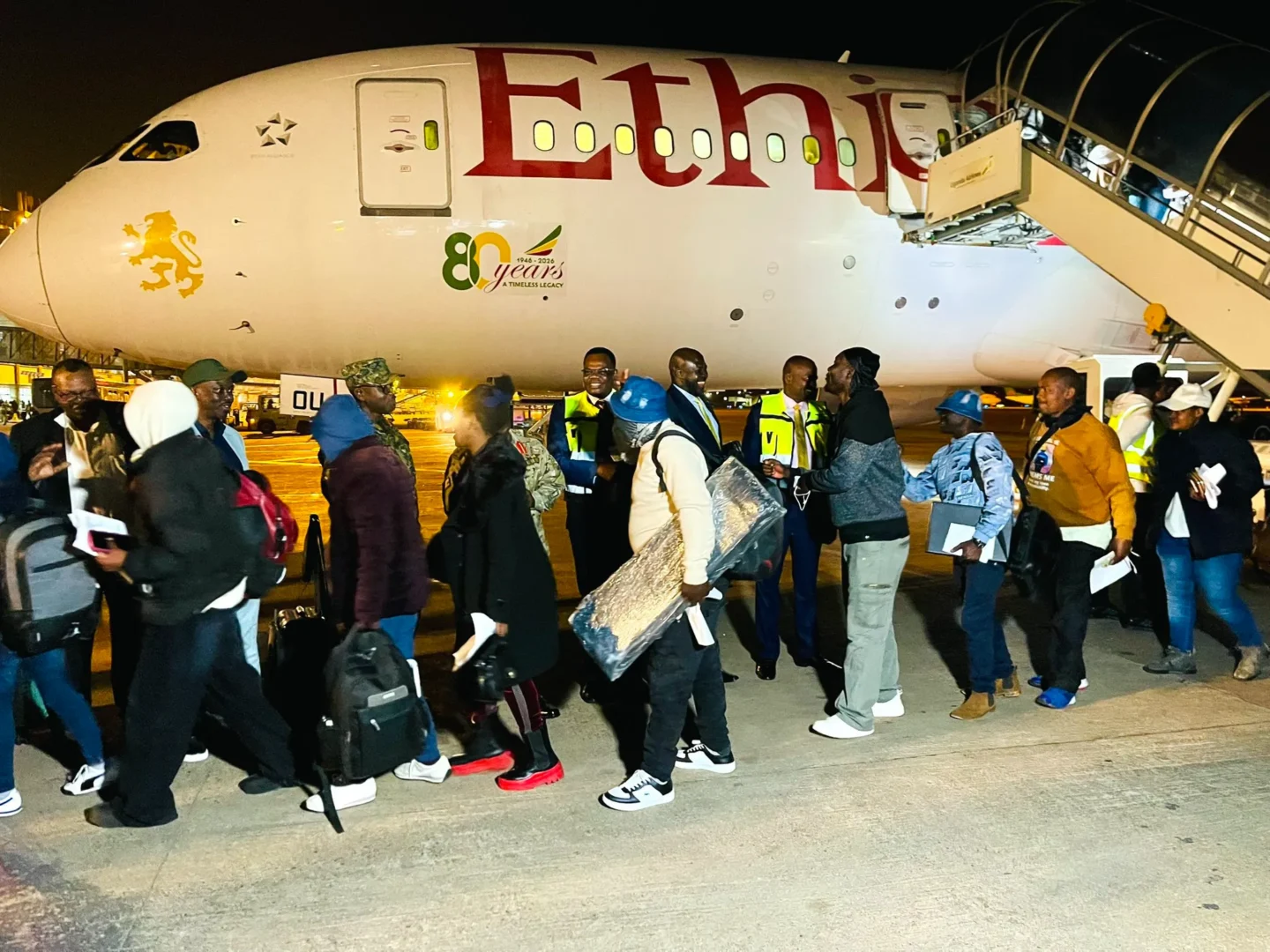
The group included 738 adults and 292 children.
For two weeks, they underwent counselling, rehabilitation and documentation support at the National Leadership Institute in Kyankwanzi.
Government agencies worked to restore lost identity documents, issue national identification cards and register children who lacked official records.
Officials said approximately 650 adults received national identity cards, while 239 children were issued national identification numbers.
Several individuals requiring specialised medical attention were referred to Mulago National Referral Hospital.
The programme reflected a broader challenge faced by governments responding to large-scale citizen returns.
Returning people home is often the easiest part.
Reintegrating them is far more difficult.
Beyond evacuation
President Museveni used the occasion to revisit a theme that has become central to his economic messaging: that Uganda’s future lies not in labour migration but in domestic wealth creation.
Addressing the returnees, he questioned the belief that success can only be found abroad.
“Why would Ugandans leave such a beautiful country to go roaming around looking for jobs elsewhere?” Museveni said.
He pointed to examples of Ugandan entrepreneurs who had built successful businesses in agriculture, manufacturing and other sectors.
Among those he cited were dairy farmer Richard Nyakana, poultry farmer Johnson Basangwa and Parish Development Model (PDM) beneficiary Vicky Apio.
His argument reflects a long-standing government narrative that Uganda possesses sufficient economic opportunities if citizens embrace commercial agriculture, industrialisation and entrepreneurship.
Yet the migration story is often more complex.
While Uganda has experienced economic growth, many young Ugandans continue to seek opportunities abroad because of unemployment, underemployment and income disparities.
Labour migration has become a significant economic lifeline for many households through remittances sent home by relatives working overseas.
For those returning from South Africa, however, the question is no longer whether they should have left.
It is what comes next.
Rebuilding after loss
Recognising the scale of disruption suffered by the returnees, Museveni announced a support package worth two billion Ugandan shillings to aid reintegration.
He also pledged two million shillings for each household head to facilitate transportation back to their communities.
In addition, the government directed returnees to document businesses, homes and other property lost during the violence so authorities could assess possible support measures.
Also Read: South Africa’s xenophobia crisis: Why anti-migrant violence keeps returning
Acting State Minister for Foreign Affairs Haruna Kasolo said Uganda had already initiated diplomatic discussions with South Africa regarding losses suffered by Ugandan citizens.
He confirmed that three Ugandans were killed during the attacks and said government had provided ten million shillings to each bereaved family.
More than 600 Ugandans remain registered in South Africa.
The fate of many businesses and investments left behind remains uncertain.
A changing perspective
Among the returnees was Felix Mugabi, who spoke on behalf of the group.
His remarks revealed how profoundly the experience had altered many of their assumptions.
He said numerous returnees had lost businesses, employment and property but remained determined to rebuild their lives.
More importantly, he suggested the ordeal had transformed how many viewed opportunity itself.
For years, migration had represented hope.
Now, many were returning with a different perspective.
Mugabi said the rehabilitation programme had helped them recognise that success was not exclusively tied to opportunities abroad.
Instead, many planned to pursue agriculture, manufacturing and entrepreneurship at home.
Whether that optimism translates into long-term economic success remains to be seen.
But as the returnees prepare to leave Kyankwanzi and begin rebuilding their lives, their experience serves as a reminder of both the promise and vulnerability of migration in modern Africa.
For Museveni, the lesson extends beyond Uganda.
The deaths of three Ugandans in South Africa, he argued, should force African leaders to confront a difficult question:
Can a continent that speaks of unity afford to turn against its own people when they cross a border in search of opportunity?
The answer may shape not only the future of migration, but the future of African integration itself.
