


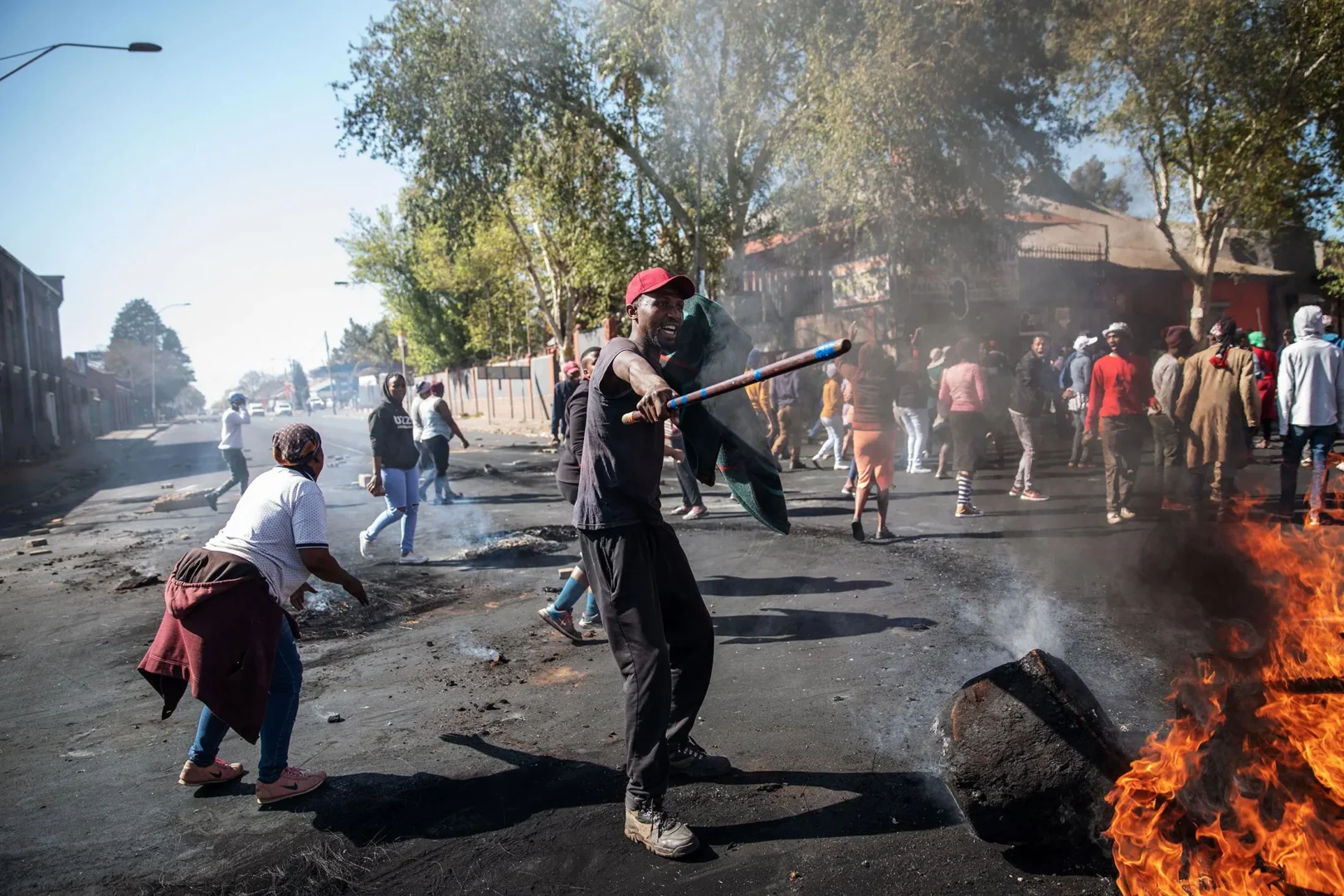
MAPUTO, Mozambique — At least five Mozambican nationals were killed during what Mozambique has described as xenophobic attacks in South Africa, as authorities race to repatriate hundreds of displaced citizens amid a fresh wave of anti-migrant unrest.
The violence, centred in the coastal town of Mossel Bay in South Africa’s Western Cape Province, has intensified concerns over the safety of foreign nationals living and working in Africa’s most industrialised economy.
Mozambique’s government said the attacks left seven of its citizens dead, although South African police have so far confirmed only two Mozambican fatalities directly linked to the violence.
In a statement issued late Monday, Mozambique’s government said five of its citizens were killed in xenophobic attacks that erupted on Friday, while two others died in a road accident as they attempted to return home following the unrest.
The statement described the violence as a targeted attack against foreign nationals and said the government was coordinating efforts to assist affected citizens.
South African police, however, confirmed only two Mozambican nationals aged 27 and 43 had been killed in an informal settlement near Mossel Bay. Authorities said both victims died from injuries sustained during assaults.
Police also reported the death of an 18-year-old South African who was found stabbed to death in the same area early Sunday. Investigations into the circumstances surrounding the killing remain ongoing.
The discrepancy between the two death tolls highlights the difficulty authorities face in establishing the full scale of the violence as investigations continue.
The unrest reportedly erupted amid growing tensions over allegations that undocumented migrants were being employed by local construction companies.
Local media reports indicate that at least 55 informal homes were destroyed during the violence, leaving hundreds displaced.
Witnesses described chaotic scenes as attackers moved through migrant communities.
“We were still inside when people started burning down our house,” Mozambican national Dolinda Mabunda told local media.
“I just took what I could and I ran.”
Others said they had lost all their possessions and no longer felt safe remaining in South Africa.
“I will go back because we are not safe,” another Mozambican migrant, Silvino Chauque, told South African broadcaster SABC.
Mossel Bay Mayor Dirk Kotze condemned the violence, expressing concern over reports of killings, arson attacks and the displacement of families.
Mozambique said approximately 300 of its citizens returned home on Saturday following the attacks.
The government added that more than 500 others had been moved to temporary shelters in the Western Cape and that arrangements were underway to facilitate their return.
The repatriation effort comes as several African governments closely monitor the deteriorating situation.
Ghana recently evacuated around 300 citizens from South Africa, while Nigeria has also announced plans to assist nationals wishing to return home.
Several other countries, including Kenya, Zimbabwe, Malawi and Lesotho, have advised their citizens residing in South Africa to remain vigilant and avoid areas affected by unrest.
The latest violence follows weeks of growing anti-migrant demonstrations in various parts of South Africa.
Tensions escalated after a citizen-led organisation called for undocumented foreign nationals to leave the country by June 30, triggering reports of vigilante-style operations targeting migrant communities.
In some areas, groups have reportedly demanded identification documents from foreign nationals and forced the closure of businesses owned by non-South Africans.
South African authorities have distanced themselves from the actions, emphasising that such campaigns have no legal authority.
Last month, hundreds of migrants from countries including the Democratic Republic of Congo, Rwanda and Somalia sought protection in Durban after reporting threats and intimidation from local groups.
South Africa has experienced repeated outbreaks of xenophobic violence over the past two decades, often fuelled by economic frustrations, unemployment and competition for jobs and housing.
As Africa’s largest destination for migrant workers, the country attracts thousands of people seeking employment and business opportunities from across the continent.
Critics argue that migrants are frequently blamed for social and economic challenges despite evidence showing that many contribute significantly to local economies.
Also Read: Ghana repatriates citizens from South Africa over anti-immigrant protests
The deadliest wave of anti-immigrant violence occurred in 2008 when 62 people were killed and thousands displaced. Further attacks were recorded in 2015 and 2019, drawing widespread condemnation from African governments and human rights organisations.
The latest unrest comes months ahead of South Africa’s local government elections, raising concerns that migration could once again become a politically charged issue in public debate.
The renewed violence has reignited concerns about the protection of migrant communities across southern Africa and the broader implications for regional integration.
With hundreds already displaced and repatriation efforts underway, governments across the region are watching closely as South African authorities work to contain the unrest and prevent further loss of life.
