


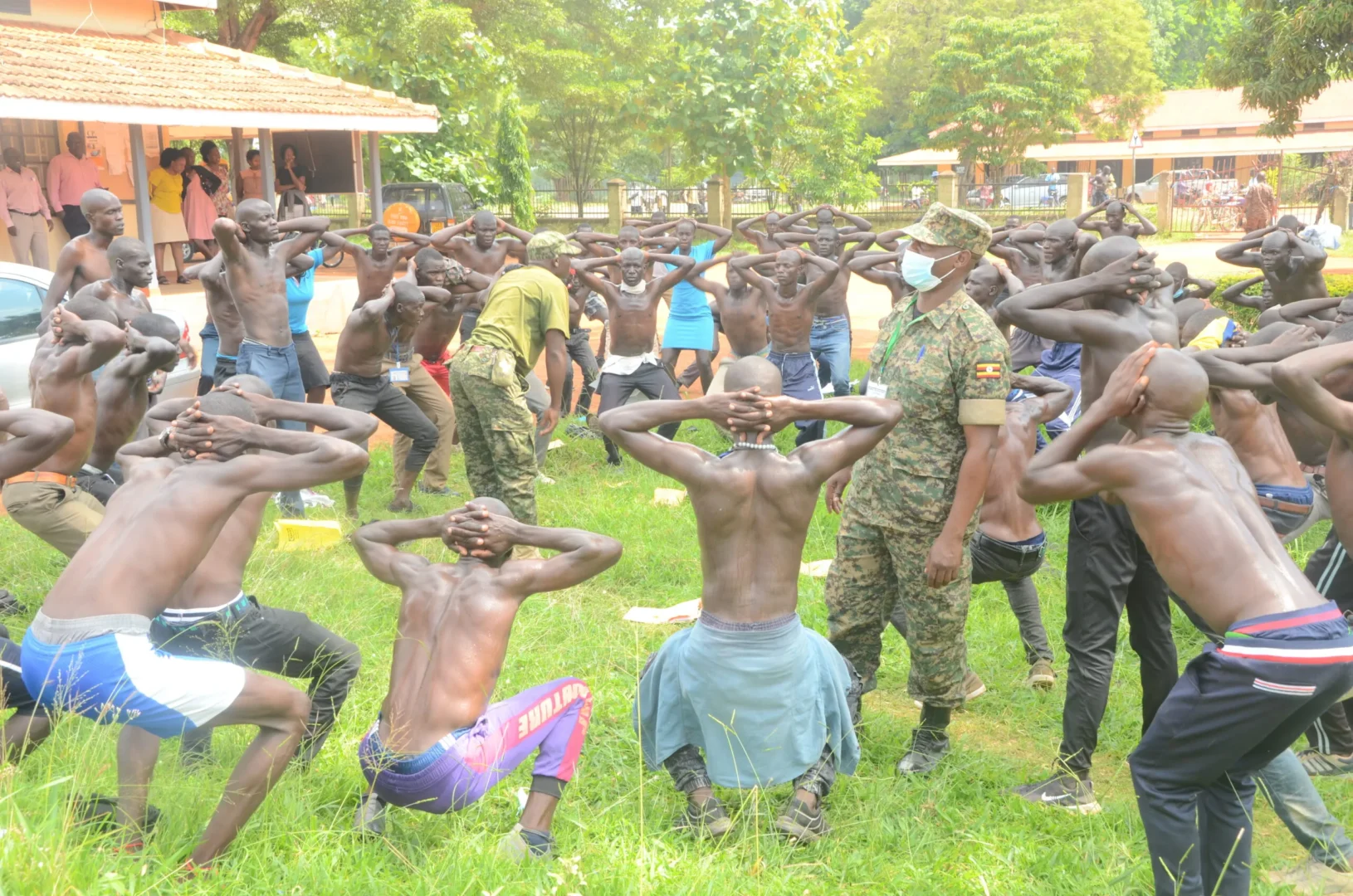
KAMPALA, Uganda — The Uganda Peoples’ Defence Forces (UPDF) has announced a nationwide recruitment exercise targeting 10,200 new soldiers, with the process scheduled to run from 20 July to 1 August 2026 across all districts in the country.
The announcement was made by the Acting Director of Defence Public Information, Col. Chris Magezi, who confirmed that the recruitment will follow the army’s standard district-based selection model, with shortlisted candidates to be published on the official UPDF website and at local administrative offices.
The exercise forms part of the military’s annual manpower expansion strategy aimed at strengthening operational capacity, professionalising the force, and replenishing units across the country.
Structured recruitment across all districts
According to the UPDF, recruitment will be conducted simultaneously in all districts through designated selection centres, where applicants will undergo screening, physical fitness assessments, and documentation verification.
Successful candidates will be drawn from a competitive pool of applicants who meet the army’s strict eligibility requirements, including Ugandan citizenship, valid national identification, and physical and medical fitness standards.
Local government leaders, including Resident District Commissioners (RDCs) and village councils, will play a key role in verifying applicants’ background information, a process intended to enhance vetting and community accountability.
The army reiterated that recruitment into the UPDF is free of charge, warning the public against individuals who pose as agents demanding money in exchange for enlistment.
Focus on science, professionalism and skills
This year’s recruitment drive places a stronger emphasis on professional qualifications and technical capacity, reflecting the UPDF’s evolving operational needs beyond traditional infantry roles.
According to details previously outlined by the Ministry of Defence, the force is increasingly seeking recruits with backgrounds in science, engineering, technology, and technical disciplines, alongside general infantry candidates.
Military officials have in recent recruitment cycles emphasized that modern defence operations require personnel with skills relevant to cyber defence, communications systems, logistics, and specialised engineering support.
Tightened anti-corruption measures
The UPDF has also reiterated its commitment to curbing corruption and manipulation during recruitment, a concern that has historically surrounded large-scale enlistment exercises.
Officials say enhanced verification systems, public display of shortlisted candidates, and decentralised recruitment centres are part of efforts to improve transparency and reduce fraudulent practices.
In previous recruitment cycles, authorities have repeatedly cautioned against forged documents, bribery attempts, and unauthorised intermediaries promising recruitment slots.
Publication of shortlisted candidates
Col. Magezi confirmed that shortlisted applicants will be publicly announced ahead of the physical recruitment phase.
The lists will be displayed on the UPDF official website as well as at district headquarters, sub-county offices, and recruitment centres nationwide.
Applicants have been advised to rely exclusively on official communication channels and avoid misinformation circulating on social media or through unofficial recruiters.
Strategic manpower expansion
The recruitment drive comes as the UPDF continues to expand its operational scope both domestically and regionally, including peacekeeping missions under the African Union and joint security operations in the Great Lakes region.
Over the years, the force has evolved from a primarily guerrilla-based army into a structured national institution with growing emphasis on professionalism, discipline, and regional deployment capability.
Military leadership maintains that regular recruitment is necessary to maintain readiness, replace retiring personnel, and strengthen specialised units.
Public warning against fraud
The Ministry of Defence and Veteran Affairs has again warned the public that enlistment into the UPDF cannot be purchased.
Authorities have urged applicants to report individuals engaging in recruitment fraud to security agencies, noting that disciplinary and criminal action will be taken against offenders.
UPDF salary increment figures under parliamentary-approved phased structure
Alongside the 2026 recruitment exercise, attention continues to focus on the government’s ongoing phased salary enhancement programme for Uganda Peoples’ Defence Forces (UPDF) personnel, which is being implemented gradually through budget allocations.
According to Parliament’s Defence and Internal Affairs Committee and approved budget discussions, the salary of a Private soldier currently stands at about Shs650,000 per month, with a proposed increment to Shs816,280, pending full budget release for implementation in the current financial cycle.
Lawmakers have also discussed a long-term policy objective of gradually raising entry-level pay toward Shs1 million per month, although this remains subject to fiscal space and future budget approvals.
Also Read: Over 65,000 disqualified as UPDF shortlists candidates for 2025 army recruitment
At officer level, approved and widely referenced salary structure adjustments from recent budget cycles show the following reference points:
- A Second Lieutenant earns approximately Shs767,000 to Shs2.3 million range depending on phased adjustment stage and allowances
- A Lieutenant earns in the range of Shs965,000 to about Shs2.4 million under revised structures
- A Captain earns roughly Shs1.05 million to over Shs2.7 million depending on adjustment phase and service category
At senior officer level, parliamentary and defence sector reports indicate:
- Lieutenant Colonels and Colonels earn multi-million monthly salaries, generally above Shs2.5 million, increasing with seniority and command responsibilities
- Brigadiers and Generals earn significantly higher packages, with publicly reported ranges placing:
- Brigadier around Shs10 million+
- Major General around Shs12 million+
- Lieutenant General around Shs13 million+
Officials note that these figures are not static salaries but reflect a combination of base pay, phased adjustments, and structured allowances, which vary by rank, deployment, and service conditions.
The Ministry of Defence has maintained that the salary enhancement programme is intended to improve retention, professionalism, and morale, particularly among lower ranks, while Parliament has repeatedly stressed the need for a gradual and fiscally sustainable rollout.
