


NAIROBI, Kenya — Kenya’s worsening fuel crisis is rapidly evolving from an economic issue into a politically charged national debate, with mounting pressure now being directed at President William Ruto and his administration over the rising cost of energy and broader concerns surrounding the country’s oil and petroleum strategy.
The latest increase in fuel prices announced by the Energy and Petroleum Regulatory Authority (EPRA) has intensified public frustration already driven by high living costs, transport fare hikes, and inflationary pressure across key sectors of the economy.
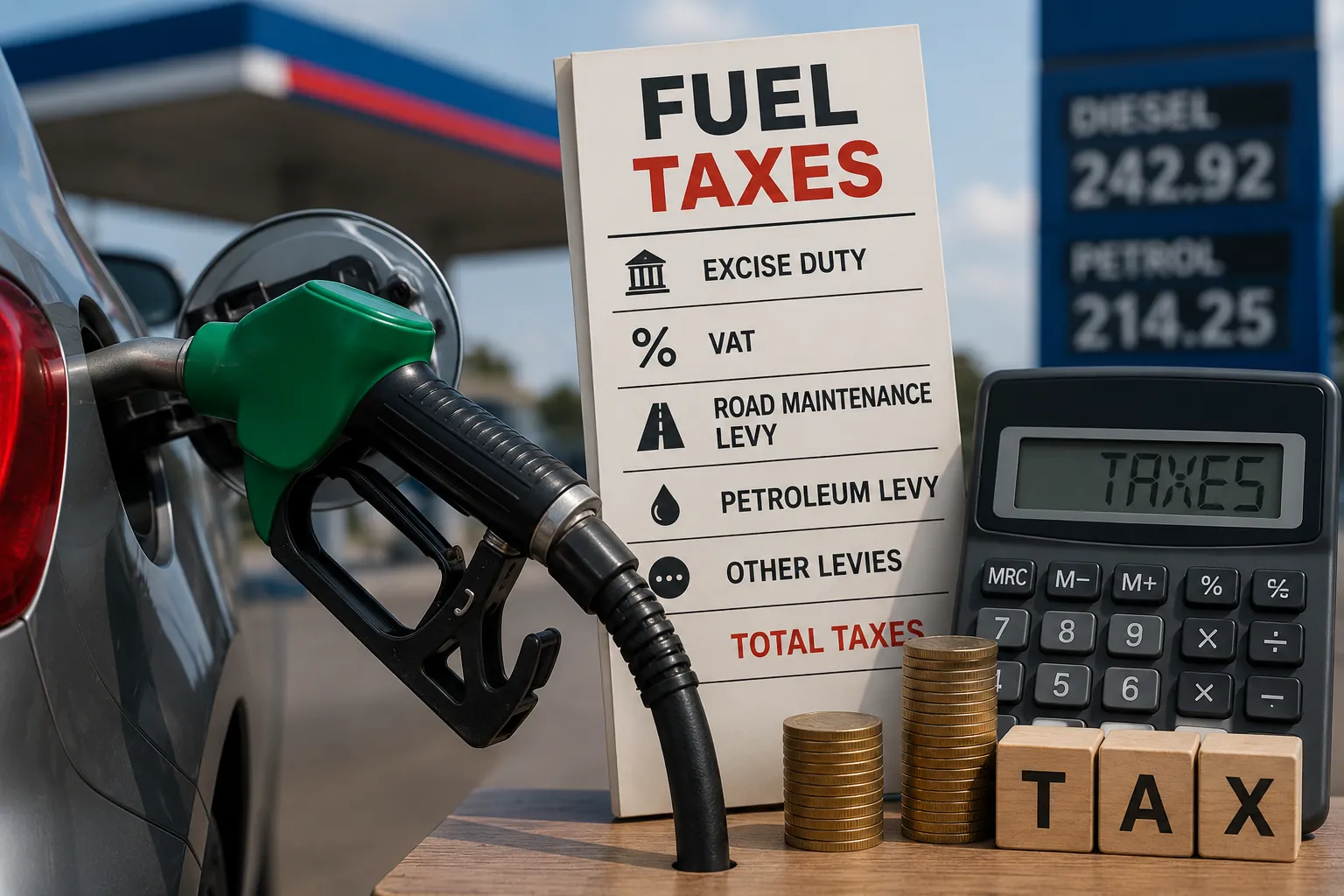
Under the latest pricing cycle running from May 15 to June 14, 2026, super petrol in Nairobi rose by KSh16.65 to KSh214.25 per litre, while diesel surged by KSh46.29 to KSh242.92 per litre — among the highest fuel prices ever recorded in Kenya.
The increases have reignited scrutiny over Kenya’s long-delayed oil ambitions in Turkana and broader questions about whether the country’s energy policies are adequately shielding consumers from global shocks.
From oil discovery to fuel pain
When Kenya announced major oil discoveries in Turkana County in 2012 through Tullow Oil, leaders described the project as a transformative opportunity capable of strengthening energy security and reducing long-term economic vulnerability.
More than a decade later, however, Kenya remains heavily dependent on imported refined petroleum products, exposing the economy to global crude oil volatility, exchange rate pressure, and geopolitical disruptions.
The current fuel crisis has once again highlighted that vulnerability.
Analysts say the gap between Kenya’s oil ambitions and its actual energy realities has become increasingly politically sensitive as ordinary citizens continue to absorb rising transport and commodity costs.
Opposition pressure intensifies
The latest EPRA review has triggered sharp criticism from opposition leaders and sections of the ruling coalition itself, many accusing the government of failing to address taxes and levies that significantly inflate pump prices.
Former Budget Committee chair and Kiharu MP Ndindi Nyoro publicly challenged the government’s explanation that global market forces alone are responsible for the increases.
According to Nyoro, taxes, levies, and oil marketing margins account for a significant portion of retail fuel costs in Kenya.
He argued that Kenya now has some of the highest fuel prices in East Africa despite neighbouring countries relying on similar import supply routes.
Meanwhile, opposition figures including Rigathi Gachagua, Kalonzo Musyoka, and Fred Matiang’i have threatened mass action unless the government addresses what they describe as a deepening fuel crisis.
Some opposition leaders are specifically demanding the cancellation or review of the government-to-government (G-to-G) fuel import framework, arguing that the arrangement lacks sufficient transparency and has failed to lower prices for consumers.
Government defends its position
The Ruto administration has defended its fuel pricing strategy, insisting that global factors — particularly instability in the Middle East and rising international crude oil prices — are major contributors to the current crisis.
Government officials have also pointed to recent tax interventions, including the reduction of VAT on petroleum products from 16 percent to 8 percent, as evidence of efforts to cushion consumers.
President Ruto has maintained that the G-to-G import arrangement has helped stabilise supply and protect Kenya from more severe market disruptions.
Treasury Cabinet Secretary John Mbadi has similarly acknowledged public frustration while defending the government’s use of stabilisation funds to moderate the impact of global oil price spikes.
The hidden burden of taxes and levies
Even as global crude prices rise, fuel taxation remains one of the most contentious aspects of Kenya’s petroleum pricing structure.
Kenyan fuel prices include multiple charges, among them:
- VAT
- Excise duty
- Road maintenance levy
- Railway development levy
- Merchant shipping levy
Economists warn that the cumulative effect of these taxes significantly amplifies consumer pain during periods of international market instability.
Critics argue that while the government cites external shocks, domestic taxation policy remains one of the few variables directly within state control.
Turkana oil and the unanswered promise
The fuel crisis has also revived debate over Kenya’s stalled Turkana oil project.
After years of exploration led by Tullow Oil alongside partners including Africa Oil Corp and TotalEnergies, full commercial production remains unrealised.
Infrastructure financing challenges, investor withdrawals, and uncertainty around pipeline development have slowed progress considerably.
For many Kenyans, the contradiction is increasingly difficult to ignore: a country with commercially viable oil reserves still facing record fuel prices and dependence on imported petroleum.
According to Michael Wandati, the current debate reflects broader frustrations about transparency, long-term planning, and public expectations around Kenya’s extractive sector.
“The fuel crisis is no longer being viewed purely as a global market issue,” he observes. “It is increasingly becoming a political conversation about governance, taxation, and whether Kenya’s energy strategy is delivering meaningful protection for citizens.”
Economic pressure spreads
The impact of rising fuel prices is already rippling across the economy.
Transport operators have warned of fare increases, businesses are reporting higher logistics costs, and inflationary pressure continues to affect food prices and household spending.
Also Read: Bolt raises fares in Kenya by 6% citing rising fuel costs and driver pressure
Business groups including the Kenya National Chamber of Commerce and Industry have warned that persistently high diesel prices could affect manufacturing, agriculture, construction, and supply chains nationwide.
For the Ruto administration, the fuel debate now carries growing political risk.
Kenya’s history shows that rising fuel prices often evolve into broader dissatisfaction over taxation, governance, and economic management.
With opposition leaders intensifying criticism and public frustration growing online, the issue is increasingly shaping into one of the defining economic and political tests facing the government ahead of the 2027 election cycle.
