


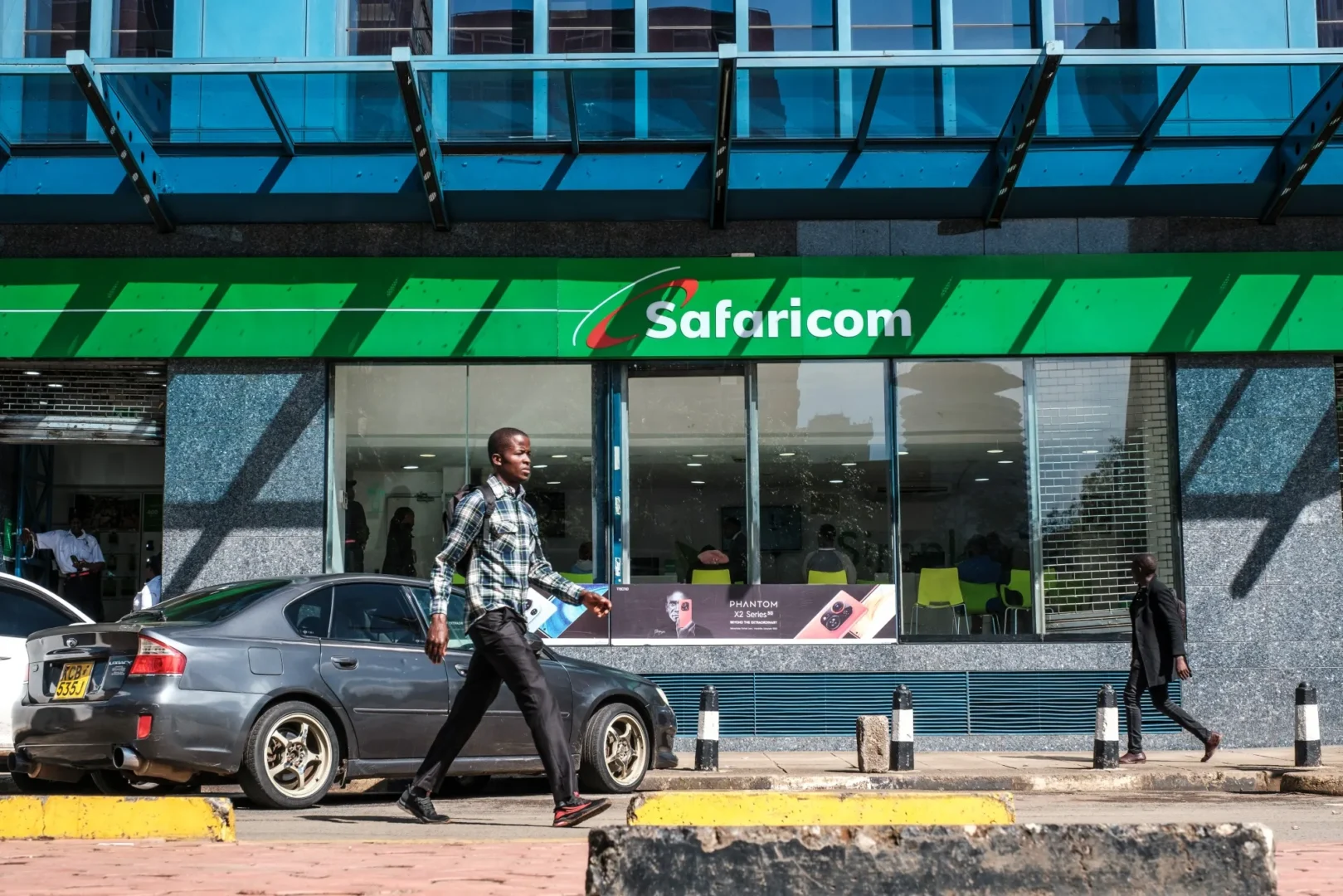
NAIROBI, Kenya — The High Court has ordered the continuation of the status quo in a case challenging the government’s proposed sale of a 15 per cent stake in Safaricom, pending the hearing and determination of an application for conservatory orders.
Delivering directions on behalf of a three-judge bench, Justice Francis Gikonyo said the court will hear the application within 10 days before issuing a substantive ruling.
“We have taken the view to hear the application for conservatory orders within 10 days, consider arguments, and thereafter render a ruling. In the meantime, the status quo orders issued on March 23 are hereby extended,” Justice Gikonyo ruled.
The bench also deferred other pending applications, including those seeking the joinder of additional parties, indicating that timelines for those will be set after the conservatory orders application is determined.
The court allowed the filing of an application to amend the petition to include Vodafone Kenya Limited as a respondent.
However, the judges clarified that no formal conservatory orders are currently in force. They noted that earlier directions by Justice Lawrence Mugambi were limited to preserving the status quo pending the empanelment of the bench.
During Thursday’s proceedings, respondents argued that there are no existing conservatory orders and cautioned against claims suggesting otherwise.
They maintained that the earlier directives had lapsed and could not be interpreted as equivalent to conservatory orders, further asserting that the petition remains incomplete.
According to the respondents, petitioners had been directed to amend their case, meaning the court is yet to receive a fully constituted matter capable of supporting substantive relief.
They also challenged the assertion of broad public interest, arguing that the four petitioners cannot claim to represent millions of Kenyans.
In addition, the respondents said there had been no demonstration that Parliament acted unlawfully in approving the proposed transaction.
On the proposed inclusion of Vodafone Kenya Limited, they reiterated that the company is a Kenyan entity.
Senior Counsel and Wiper leader Kalonzo Musyoka urged the court to extend the orders, arguing that the National Assembly had already approved the sale effective April 1 in alleged violation of earlier court directives.
He also sought to have Vodafone Kenya Limited enjoined as the eighth respondent and requested leave to amend the petition.
Kalonzo underscored the economic significance of Safaricom, describing it as a major contributor to Kenya’s GDP and a key employer. He also highlighted the global prominence of its mobile money platform, M-PESA.
Also Read: Safaricom apologises after My OneApp glitches spark user backlash
The case centres on the National Treasury’s plan to divest part of its stake in Safaricom, a move that has sparked debate over public asset ownership, fiscal policy, and investor confidence.
Analysts note that partial privatisation of state assets is often pursued to raise revenue or improve efficiency, but such decisions frequently attract legal and political scrutiny, particularly when strategic national assets are involved.
Given Safaricom’s dominant role in Kenya’s telecommunications and financial services sectors, the outcome of the case could have far-reaching implications for market stability, public trust, and the future of government participation in key industries.
The matter will now proceed to a hearing of the conservatory orders application within the timelines set by the court, after which the bench is expected to issue a ruling that could determine whether the proposed stake sale proceeds or is halted pending full hearing of the petition.
