


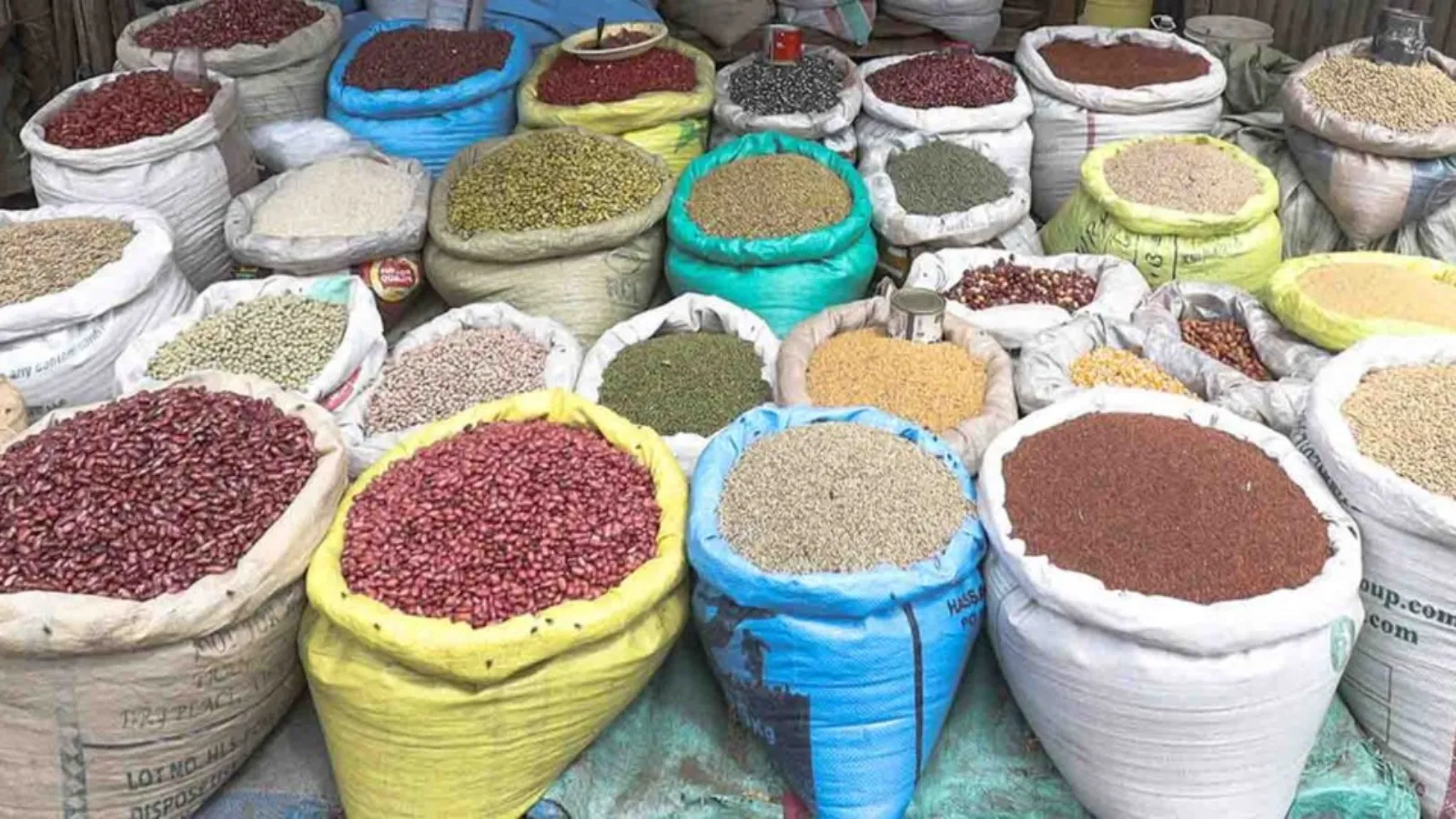
NAIROBI, Kenya — Kenyans have been warned about the presence of cereals contaminated with dangerously high levels of aflatoxins in local markets, raising fresh concerns over food safety and the potential health risks posed to millions of consumers.
The warning follows recent tests by the Kenya Agricultural and Livestock Research Organisation (KALRO), which found that some cereal samples collected from markets across the country contained aflatoxin levels far above internationally accepted safety limits.
Speaking during World Food Safety Day commemorations on Tuesday, KALRO Director General Dr Patrick Ketiem revealed that some of the tested samples recorded contamination levels of up to 500 parts per billion (ppb), compared to the maximum allowable limit of 10 ppb.
“The only acceptable limit by the World Health Organisation (WHO) is 10 parts per billion. If you pass 10, it cannot be accepted,” Ketiem said.
Aflatoxins are naturally occurring toxins produced by certain fungi that commonly grow on food crops such as maize, sorghum, millet, and groundnuts, particularly when they are improperly dried, handled, or stored.
Health experts consider aflatoxin contamination one of the most serious food safety threats in Africa due to its long-term health consequences.
Prolonged exposure has been linked to liver cancer, weakened immune systems, impaired child growth, birth defects, and other serious health complications. High levels of exposure can also cause acute poisoning, which can be fatal in severe cases.
The latest findings have renewed concerns about food safety standards in Kenya, where maize and other cereals remain staple foods for millions of households.
KALRO attributed part of the problem to limited access to affordable food safety testing, particularly among smallholder farmers and traders who dominate the country’s agricultural sector.
According to Ketiem, many producers are unable to regularly test their produce because of the high cost involved.
“The cost of food safety testing remains prohibitive for most farmers,” he said.
He called for increased investment in food safety infrastructure and more accessible testing services to help farmers identify contaminated produce before it reaches consumers.
Experts note that early detection is critical in preventing contaminated grains from entering the food supply chain.
The findings have prompted the Kenya Bureau of Standards (KEBS) to strengthen market surveillance and enforcement efforts aimed at removing unsafe food products from circulation.
KEBS Quality Assurance Director Geoffrey Muriira said the standards agency has heightened inspections and compliance checks to ensure food products sold in Kenya meet established safety requirements.
“If it is not safe, then it is not food, and this is the message we want everybody to have because this is a shared responsibility,” Muriira said.
The agency said consumer protection remains a priority as authorities work to reduce exposure to contaminated food products.
Agricultural experts have consistently identified poor post-harvest management practices as one of the leading causes of aflatoxin contamination in Kenya.
Inadequate drying of harvested crops, exposure to moisture during storage, poor handling practices, and prolonged storage under unsuitable conditions create an environment that allows toxin-producing fungi to thrive.
The challenge is particularly pronounced during periods of high humidity and in areas where farmers lack access to modern storage facilities.
Also Read: KEBS refutes claims of contaminated sugar entering Kenyan market
Food safety specialists say addressing the problem requires interventions across the entire agricultural value chain, from harvesting and drying to storage, transportation, and market distribution.
As authorities step up surveillance efforts, consumers are being urged to purchase cereals from reputable sources and remain vigilant about food quality.
Experts also want increased public awareness campaigns to educate farmers, traders, and consumers about the dangers of aflatoxins and the importance of proper grain handling and storage practices.
The warning comes as Kenya joins the rest of the world in marking World Food Safety Day, with renewed calls for stronger collaboration among government agencies, farmers, traders, researchers, and consumers to improve food safety standards and reduce exposure to harmful contaminants.
