


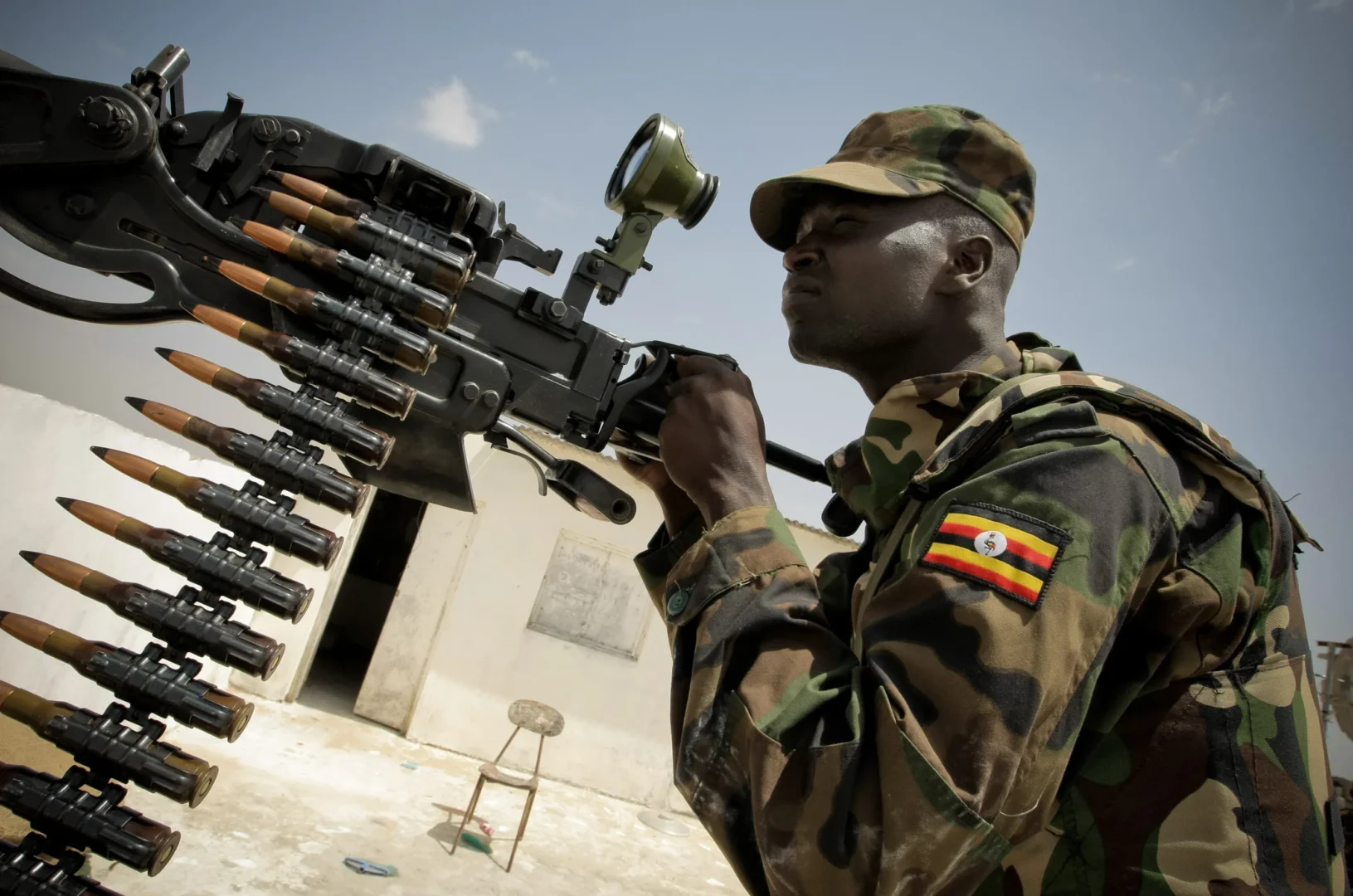
KAMPALA, Uganda — Uganda’s Parliament has approved a government motion authorising the deployment of Uganda People’s Defence Force (UPDF) troops to the Gaza Strip as part of a proposed international stabilisation force backed by the United States, paving the way for what would be the country’s first military mission to the Palestinian territory.
Lawmakers approved the motion on Thursday, August 6, following a debate in which legislators sought assurances over the legal framework governing the deployment, the welfare of soldiers and the terms under which Ugandan forces would operate.
The deployment would still depend on the finalisation of international agreements and operational arrangements before troops can be sent.
Government cites Uganda’s peacekeeping record
Presenting the motion, Defence and Veteran Affairs Minister Kiryowa Kiwanuka said Uganda had been invited by the United States to participate in the proposed multinational force because of the UPDF’s experience in international peace support operations.
He cited Uganda’s previous military deployments in Somalia, South Sudan, the Central African Republic and various United Nations peacekeeping missions as evidence of the country’s capacity to contribute to regional and international security.
“Uganda has a strong army with capable organisational structures which have enabled Uganda to successfully support peace operations in Somalia, South Sudan, CAR and various UN peacekeeping missions,” Kiryowa told Parliament.
He said the proposed mission would help counter armed groups operating in Gaza while creating conditions that could support longer-term peace efforts.
According to the minister, the stabilisation force would contribute to restoring security and provide space for political negotiations aimed at ending the conflict.
Lawmakers seek troop welfare guarantees
Although Parliament endorsed the deployment, several legislators urged the government to provide greater clarity on the legal framework and welfare provisions for soldiers participating in the mission.
Opposition Chief Whip Paul Mwiru called on the government to table the agreement governing the deployment before Parliament once negotiations are concluded, saying it would help avoid future disputes over soldiers’ welfare, remuneration and operational conditions.
Deputy Speaker Thomas Tayebwa supported the proposal and directed the Executive to present the agreement to Parliament after it is finalised.
Bunyole West MP James Waluswaka warned against any interference with soldiers’ allowances, while Tochi County MP Peter Okot urged the government to ensure personnel deployed abroad receive their full facilitation, citing complaints from troops who had participated in previous international missions.
Shadow Defence Minister Joseph Ssewungu criticised the speed with which Parliament considered the motion, describing it as an “ambush” and arguing that legislators required more time to study the proposal.
John Nambeshe, while expressing support for the deployment in principle, said Parliament should first receive an assessment of Uganda’s previous peacekeeping operations before authorising another overseas mission in what he described as a complex and high-risk security environment.
Health Minister Chris Baryomunsi rejected calls to postpone the debate, arguing there was no justification for delaying consideration of the government’s proposal.
Part of broader Gaza stabilisation proposal
The parliamentary approval comes amid continuing international efforts to establish a post-conflict security framework for Gaza following months of negotiations led by the United States.
The proposed multinational stabilisation force forms part of a broader framework intended to support security, facilitate humanitarian operations and assist with civilian governance after the conflict.
Also Read: Israel kills more than 50,000 Palestinians in Gaza, 15,613 of them children
Israeli authorities have approved a legal framework for the proposed international force, while reports have indicated that Uganda and Morocco are among countries expected to contribute troops. However, no official deployment timetable has been announced, and implementation remains subject to diplomatic agreements among participating states.
Conflict continues despite diplomatic efforts
The proposed deployment comes as the war in Gaza continues despite international mediation efforts.
The conflict began after Hamas launched an unprecedented attack on southern Israel on October 7, 2023, killing about 1,200 people and taking around 250 hostages, according to Israeli authorities.
Israel responded with a large-scale military campaign in Gaza. According to Palestinian health authorities in the territory, tens of thousands of Palestinians have since been killed, while humanitarian agencies say much of Gaza’s infrastructure has been destroyed and the vast majority of its population displaced.
Efforts to secure a lasting ceasefire and establish post-war governance arrangements have repeatedly stalled amid disagreements over the future administration of Gaza, the disarmament of Hamas and long-term security guarantees for Israel.
If implemented, the multinational stabilisation force would initially operate in designated areas outside direct Israeli military control while supporting humanitarian assistance, civilian administration and broader peacebuilding efforts.
