


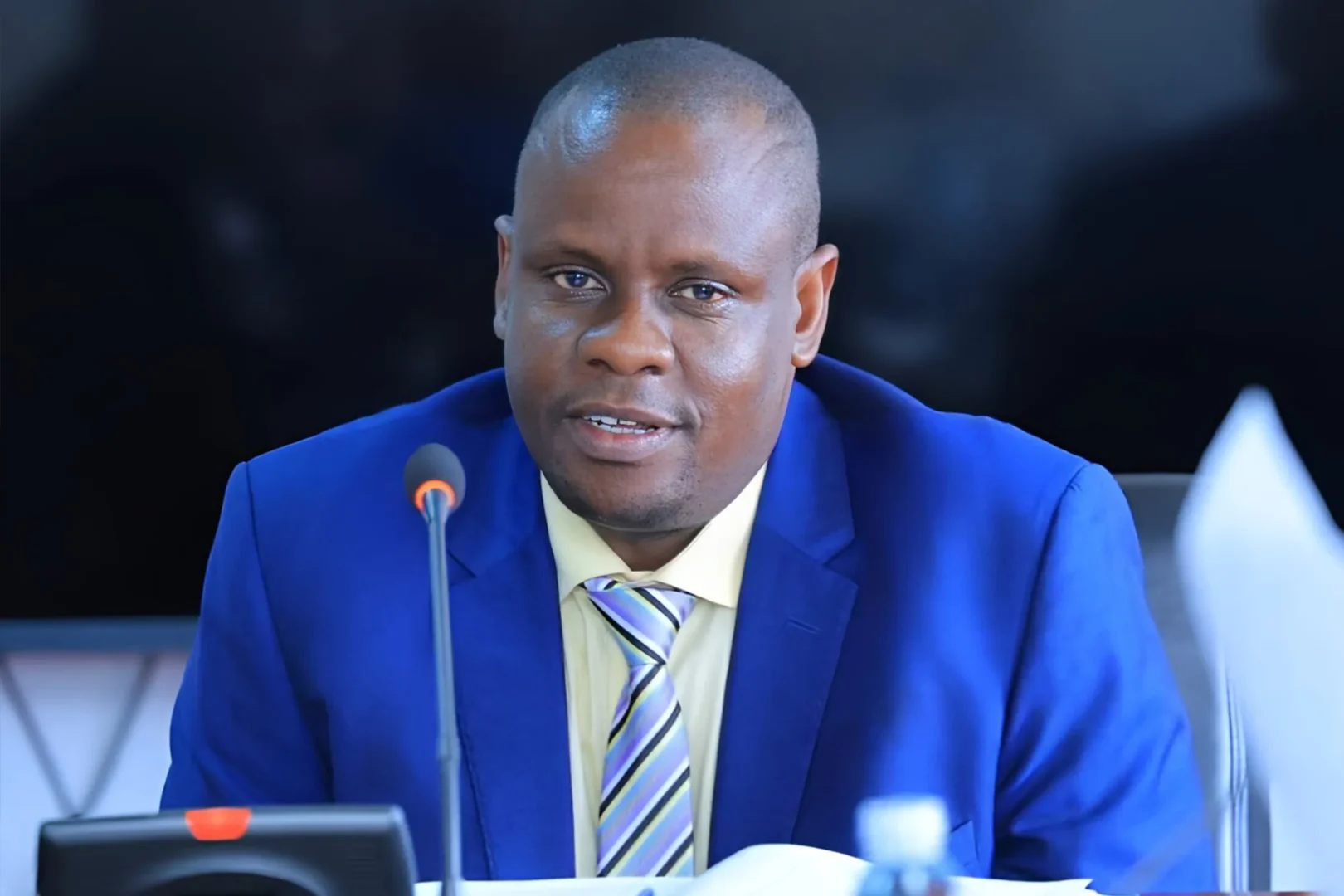
KAMPALA, Uganda — Uganda’s Minister of Local Government, Balaam Barugahara, has claimed that the overwhelming majority of DNA tests conducted through paternity petitions during his tenure at the Ministry of Gender, Labour and Social Development found that the men involved were not the biological fathers of the children concerned.
Speaking amid renewed public debate over paternity testing following recent DNA findings involving the family of the late Kadongo Kamu musician Paul Kafeero, Barugahara said the ministry handled 250 paternity-related DNA petitions, of which only 12 reportedly confirmed biological fatherhood.
According to Barugahara, 238 of the tests established that the men involved were not the biological fathers of the children in question.
“When I was Minister of Gender, we conducted 250 DNA tests and out of these, 238 found that the men were not the biological fathers of the children,” he said.
Based on the figures cited by the minister, the alleged paternity mismatch rate would amount to approximately 95.2 percent.
Barugahara argued that many men were subjected to emotional and financial pressure while raising children they later discovered were not biologically theirs.
“These men were struggling and being harassed every day,” he said.
The minister used the opportunity to encourage men to seek paternity testing where doubts exist, particularly at the birth of a child.
“I am appealing to young men to endeavor to take DNA tests at birth,” he said.
Barugahara also indicated that he no longer oversees matters related to such petitions, saying the responsibility now falls under a different office.
“I have now left that mandate to Gen. Henry Tumukunde to carry on from there,” he added.
The remarks come days after DNA results involving the family of the late Paul Kafeero sparked widespread public discussion in Uganda.
According to findings that have circulated publicly, only four of the 25 individuals tested were confirmed as biological children of the late musician.
The results reignited long-standing questions about inheritance, family identity and the growing role of scientific testing in resolving paternity disputes.
The case attracted particular attention after Paulo Kafeero, who many believed closely resembled the late singer, was reportedly found not to be his biological son.
Some members of the family have disputed the findings, while others have called for acceptance of the scientific evidence.
Paternity testing has increasingly become a subject of public debate across Uganda and other African countries, with supporters arguing that DNA technology provides certainty in family disputes, inheritance cases and child-support matters.
Critics, however, warn that widespread testing can sometimes create family tensions and emotional distress, particularly when results emerge years after relationships and parental bonds have already been established.
Barugahara’s comments are likely to add to that debate, particularly because of the unusually high figures he cited. Independent verification of the statistics he referenced was not immediately available.
