


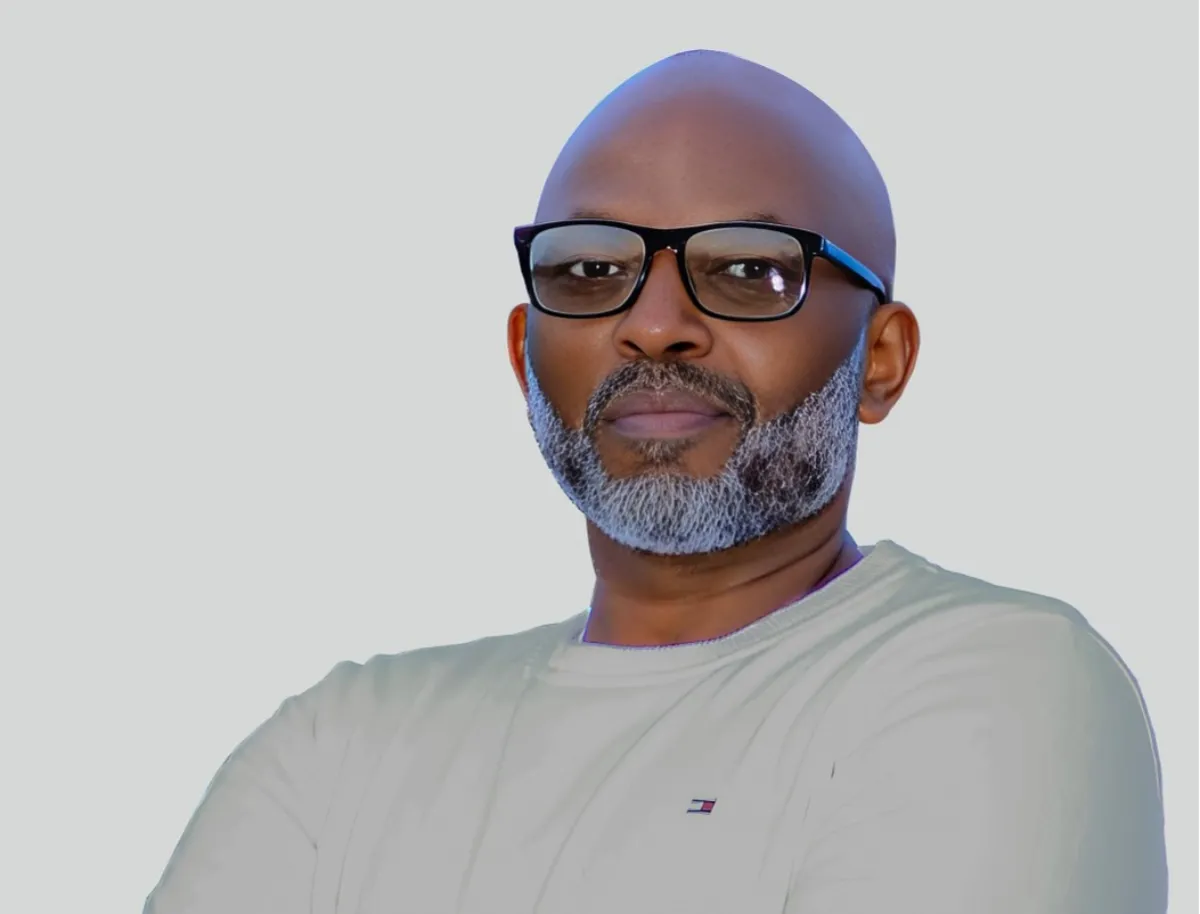
KAMPALA, Uganda — President Yoweri Museveni’s appointment of Victoria University Vice Chancellor Dr Lawrence Muganga as State Minister for Internal Affairs has come under formal legal challenge over allegations that he holds dual Ugandan-Canadian citizenship, raising questions about compliance with Uganda’s constitutional and citizenship laws.
The petition, filed by lawyer and Democratic Front Deputy Secretary General Deric Fredric Namakajo, was submitted to Parliament through the Office of the Clerk, with copies sent to President Museveni and Security Minister Maj Gen Jim Muhwezi.
In the petition dated May 28, 2026, Namakajo argues that Muganga may be ineligible to hold ministerial office under Section 19D of the Uganda Citizenship and Immigration Control (Amendment) Act, 2009, which restricts dual citizens from occupying specified public offices.
The petitioner is asking Parliament, through Speaker Jacob Oboth-Oboth in his capacity as Chair of the Appointments Committee, to suspend Muganga’s vetting until conclusive proof is provided showing that he has formally renounced any foreign citizenship.
“The law expressly bars any dual citizen from serving as Cabinet Minister, Minister of State, or any ministerial office whatsoever,” the petition states.
The challenge has reignited debate over Uganda’s legal framework on dual citizenship, national allegiance, and eligibility for high public office.
While Ugandan law permits dual citizenship in general, it prohibits dual nationals from holding positions listed under the Fifth Schedule of the Act, including President, Vice President, Prime Minister, Cabinet Ministers and Ministers of State.
Namakajo argues that the Ministry of Internal Affairs is particularly sensitive, given its mandate over immigration control, citizenship registration, national identity systems, and internal security coordination.
“The Ministry of Internal Affairs being responsible for immigration and citizenship matters requires undivided national allegiance and fidelity to the Republic of Uganda,” the petition adds.
Documents cited in public discourse allege that Muganga acquired Ugandan citizenship in November 2024 and was issued a Ugandan passport in February 2026. He was reportedly born in Mukono District in 1976, though questions have persisted over his historical association with Canada and earlier references linking him to other national identities.
Muganga previously worked in Canada in academic and policy roles, including at institutions and organisations in Alberta, and has also been associated with regional academic and governance networks in East Africa.
A 2013 publication in Rwanda’s The New Times described him as a Rwandan national living in Canada while profiling his work on community safety initiatives. Other public records and media reports over the years have reflected varying descriptions of his nationality, contributing to ongoing scrutiny.
The petition also references earlier media reporting suggesting he may have held multiple citizenship statuses, although such claims have not been independently verified.
Muganga has previously faced security scrutiny. In 2021, he was briefly detained by security operatives attached to military intelligence and later released without charge amid heightened diplomatic tensions in the region at the time. He denied any wrongdoing.
He has since become a prominent public figure in discussions on identity, citizenship rights, and the experiences of communities affected by nationality disputes.
The latest petition places renewed focus on the eligibility threshold for appointment to sensitive ministries, particularly Internal Affairs, which oversees immigration enforcement and national identity systems.
It also raises potential political sensitivities in the context of Uganda’s recently enacted legislation on sovereignty and foreign influence, which has intensified public debate around allegiance and external ties in governance.
Political observers say the case highlights broader tensions between Uganda’s increasingly globalised professional class and constitutional restrictions designed to safeguard state security positions.
Also Read: Museveni revises Cabinet, moves Lumumba to ICT, Aceng takes Chief Whip role
Supporters of strict enforcement of citizenship provisions argue that ministries such as Internal Affairs require absolute clarity of national allegiance due to their role in managing borders, identity systems, and internal security.
Others, however, view the debate as part of a wider struggle over inclusion, identity, and the participation of diaspora-linked professionals in government.
The petition requests Parliament to demand full disclosure of Muganga’s immigration and citizenship records, including any renunciation certificates and passport documentation, before proceeding with vetting.
As of Thursday evening, neither Dr Muganga nor State House had issued a public response to the allegations.
The outcome of the matter could set an important precedent for how Parliament interprets dual citizenship restrictions in ministerial appointments, particularly for individuals with transnational academic and professional backgrounds.
