


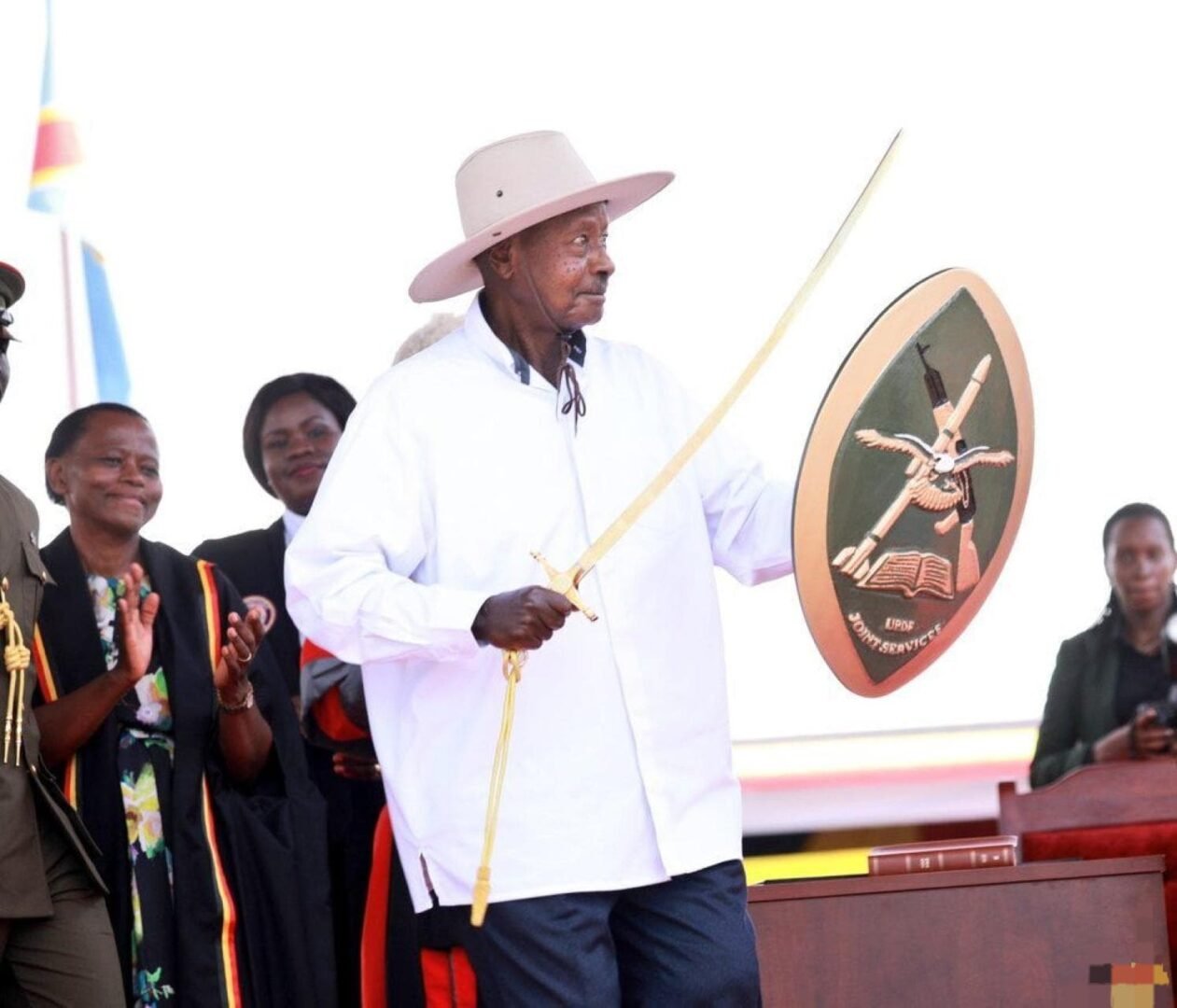
KAMPALA, Uganda — President Yoweri Kaguta Museveni has summoned an urgent meeting of the ruling National Resistance Movement (NRM) Central Executive Committee (CEC) on Friday, May 22, as the party moves to settle on its preferred candidates for Speaker and Deputy Speaker of the 12th Parliament.
The intervention comes just days before Parliament convenes on May 25 to elect new leadership, placing the CEC meeting at the centre of a rapidly evolving political contest.
The race for Speaker has been significantly reshaped following the withdrawal of outgoing Speaker Anita Annet Among, who stepped aside after a week of intensifying anti-corruption investigations.
Security agencies have carried out high-profile searches at properties linked to Among, reportedly seizing luxury assets, including a Rolls-Royce Cullinan, as part of a widening probe into alleged illicit enrichment and possible breaches of Uganda’s asset declaration laws.
The developments have triggered a broader political recalibration within the NRM, forcing the party to consolidate its position ahead of the parliamentary vote.
As the NRM’s top decision-making organ, the CEC is expected to play a decisive role in determining the party’s official candidates, a position that traditionally carries significant weight given the ruling party’s commanding majority in Parliament.
The endorsement is typically followed by a parliamentary caucus meeting, where NRM legislators align behind agreed flag-bearers before the formal vote on the floor of the House.
NRM Secretary General Richard Todwong has urged restraint amid mounting speculation, saying the party would only communicate its position after internal consultations are complete.
“No individual is above the party,” Todwong said, signalling an effort to project unity amid internal competition.
Attention has increasingly turned to Defence Minister Jacob Oboth-Oboth, who is widely seen as a leading contender for the Speakership.
His candidacy is believed to have backing from figures associated with Gen Muhoozi Kainerugaba and the Patriotic League of Uganda (PLU), a grouping that has become increasingly influential in recent political developments.
Gen Muhoozi’s recent public call for Among to withdraw from the race, and to resign her parliamentary seat, has further fuelled perceptions of the PLU’s growing role in shaping internal party dynamics.
However, Todwong sought to downplay these concerns, arguing that the PLU’s anti-corruption messaging aligns with the NRM’s broader reform agenda.
Political analysts say the CEC meeting reflects President Museveni’s direct intervention to manage competing power centres within the ruling party.
Also Read: Uganda’s Speaker race is theatre: History suggests nothing will change
Governance analyst Michael Ssako described the move as an attempt to stabilise internal dynamics by balancing the interests of the NRM’s traditional leadership, regional blocs and an emerging group of actors linked to the security establishment.
“These are just officials trying to restore peace, nothing much,” Ssako said.
Under Article 82 of the 1995 Constitution, Members of Parliament elect both the Speaker and Deputy Speaker from among themselves.
The Speaker serves as the political and constitutional head of Parliament, overseeing legislative business, maintaining order in the House and providing institutional leadership.
