


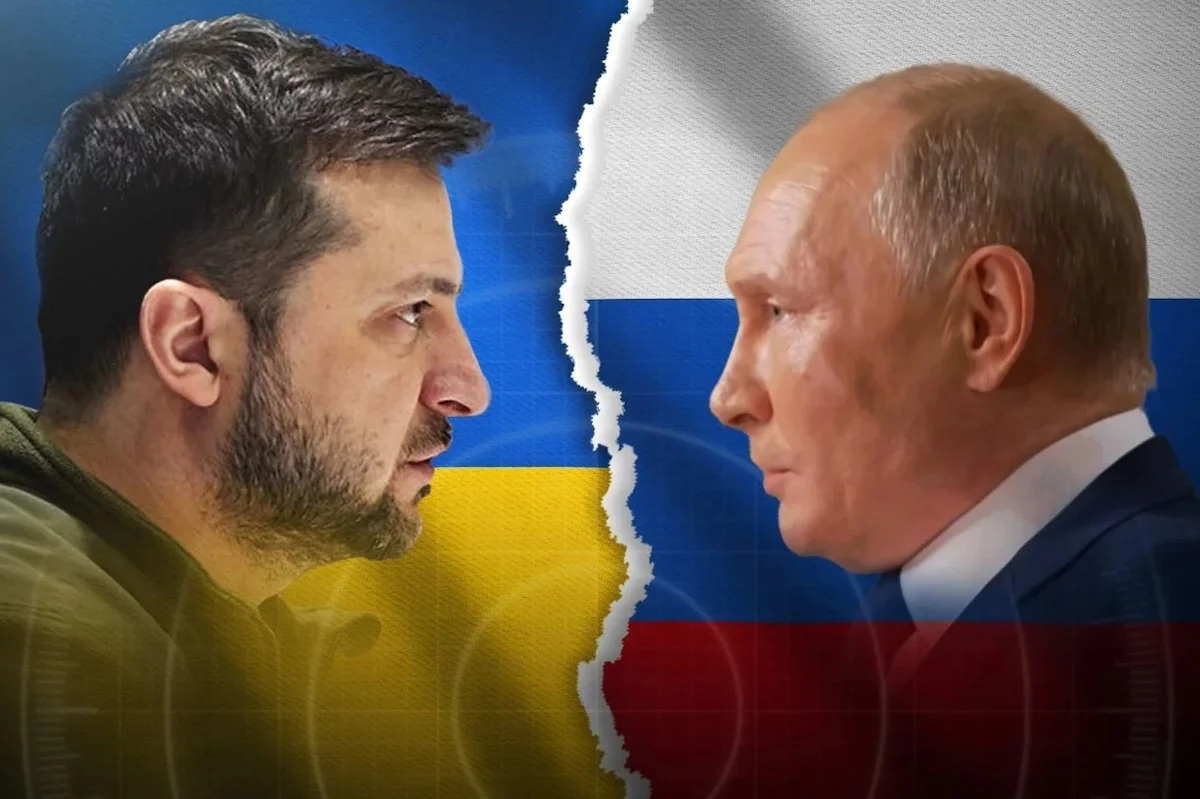
KYIV, Ukraine — A fragile new ceasefire between Russia and Ukraine has been announced following renewed diplomatic pressure from the United States, even as both sides continue accusing each other of violating earlier truces amid escalating battlefield tensions.
US President Donald Trump confirmed that Moscow and Kyiv had agreed to a temporary three-day ceasefire intended to reduce hostilities during Russia’s Victory Day commemorations marking the Soviet Union’s defeat of Nazi Germany in World War II.
“This ceasefire will include a suspension of all kinetic activity, and also a prison swap of 1,000 prisoners from each country,” Trump announced.
The agreement emerged after days of intensified exchanges between the two countries, with each accusing the other of violating separate ceasefires declared around the May 9 Victory Day celebrations.
Shortly after Trump’s announcement, Ukrainian President Volodymyr Zelenskyy confirmed Ukraine’s participation, while Russian state media reported that the Kremlin had also accepted the proposal.
Trump said he had personally appealed to both leaders to support the truce.
“I very much appreciate its agreement by President Vladimir Putin and President Volodymyr Zelenskyy,” he stated.
Despite the announcement, fighting and drone activity continued to dominate developments on the ground.
Earlier, Russia accused Ukraine of launching attacks on civilian and military targets in border regions including Kursk and Belgorod. Russia’s defence ministry said its forces had delivered a “mirror response” to what it described as Ukrainian ceasefire violations.
Moscow Mayor Sergey Sobyanin said Russian air defence systems intercepted around 20 drones near the capital within hours of the ceasefire taking effect.
Additional strikes were reportedly recorded in the Perm, Yaroslavl and Rostov regions, while authorities in Grozny, the capital of Chechnya, also reported security incidents linked to drone activity.
Russian aviation authorities temporarily suspended operations at 13 airports across southern Russia following the attacks, highlighting growing concerns over the vulnerability of critical infrastructure.
Ukraine, meanwhile, accused Russia of continuing military operations despite the ceasefire declaration.
In a message posted on Telegram, Zelensky said Russian forces had launched more than 140 attacks on Ukrainian positions and carried out over 850 drone strikes during the opening hours of the truce.
The Ukrainian leader warned that Kyiv would “act in kind” if attacks persisted.
The ceasefire announcement comes as Russia prepares for Victory Day celebrations in Moscow under heightened security conditions.
Russian President Vladimir Putin had earlier declared a separate ceasefire covering May 8 and 9, but Ukraine had rejected the move, instead proposing an open-ended truce beginning May 6.
Moscow has warned Ukraine against targeting the annual military parade in Red Square, one of Russia’s most symbolically important state events.
Russia’s defence ministry warned it would launch a “retaliatory, massive missile strike” on central Kyiv if the celebrations came under attack.
Authorities in Moscow and St Petersburg have also restricted mobile internet access over security fears linked to possible drone strikes.
In a notable shift from previous years, this year’s Victory Day parade is expected to feature significantly reduced military hardware amid security concerns and the ongoing strain of the war.
Attendance by foreign leaders has also dropped sharply compared to previous commemorations, with only a handful of international allies, including leaders from Belarus, Malaysia and Laos, expected to attend.
The latest ceasefire initiative comes as international efforts to broker a broader peace agreement remain deadlocked more than three years after Russia launched its full-scale invasion of Ukraine in February 2022.
European Council President António Costa said the European Union sees “potential” for future negotiations with Russia and suggested discussions on Europe’s long-term security architecture may eventually become unavoidable.
“We cannot change the geography. We are in Europe, we are neighbours of Russia, and of course we need to talk with them about the future of the security architecture of Europe,” Costa told the Financial Times.
Kremlin spokesperson Dmitry Peskov later responded that Russia remained open to dialogue but would not initiate talks independently.
The United States has facilitated several rounds of indirect negotiations between Kyiv and Moscow in recent months, though no major breakthrough has been achieved.
US Secretary of State Marco Rubio said Washington remains willing to mediate but warned that the process could not continue indefinitely without tangible progress.
Also Read: Russia launches deadliest drone and missile attacks on Ukraine, 17 civilians killed
Separately, Ukrainian emergency crews continue battling a rapidly spreading wildfire inside the Chornobyl exclusion zone in northern Ukraine.
Officials say strong winds, dry weather conditions and unexploded landmines left behind by the war are complicating containment efforts.
The blaze has already spread across roughly 11 square kilometres, according to emergency authorities.
While the exclusion zone surrounding the site of the 1986 nuclear disaster remains contaminated, Ukrainian officials insist radiation levels near the fire remain within safe limits.
The wildfire adds another layer of strain to Ukraine’s emergency response systems as the country continues to manage the humanitarian and security fallout of the prolonged conflict.
