


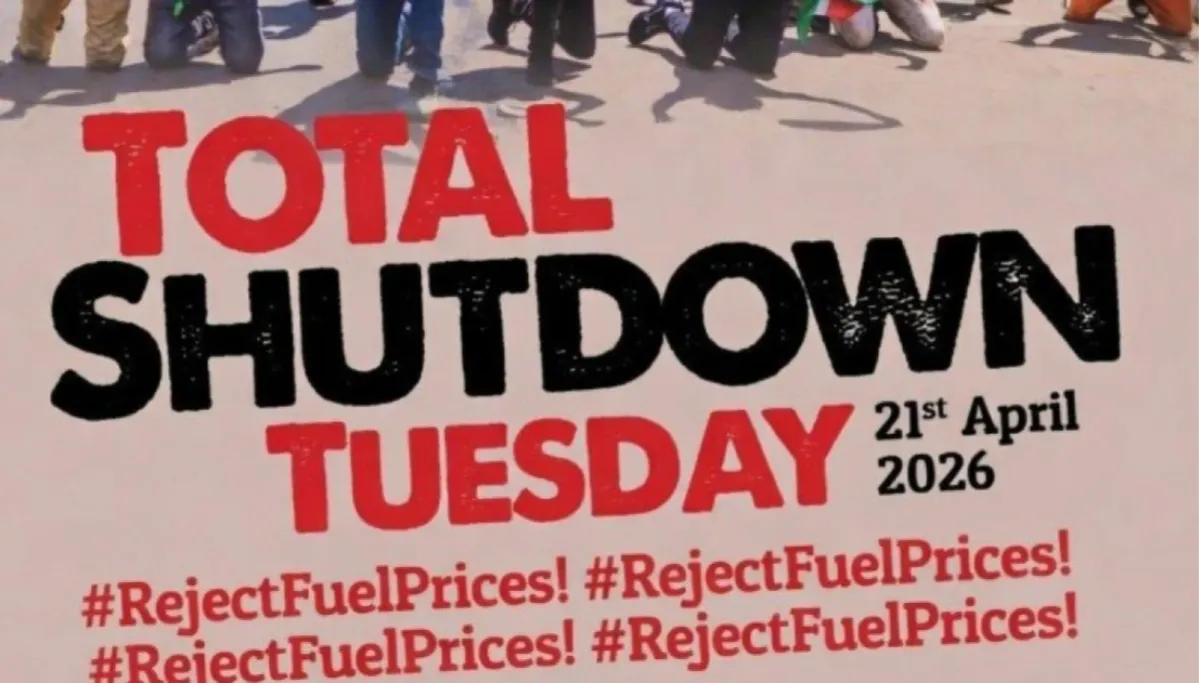
NAIROBI, Kenya — Protests in Nairobi gathered momentum on Tuesday as groups of young demonstrators took to the streets to protest rising fuel prices and the high cost of living, marking a sharp shift from the calm observed earlier in the day.
Carrying Kenyan flags and chanting patriotic songs, protesters moved through sections of the Central Business District (CBD), drawing a growing presence as the day progressed.
A heavy security presence was deployed across the CBD, with officers from the National Police Service patrolling key areas armed with batons.
Several demonstrators were arrested as police moved to disperse crowds, with individuals seen being bundled into police vehicles. Water cannons were also deployed along selected streets, signalling preparedness by authorities to contain potential escalation.
The protests come amid mounting public frustration over the rising cost of essential goods, with fuel prices emerging as a central trigger.
Recent pricing adjustments by the Energy and Petroleum Regulatory Authority (EPRA) initially pushed pump prices to record highs, intensifying economic pressure on households and businesses.
Under the revised April–May pricing cycle:
- Super petrol stands at Ksh197.60 per litre
- Diesel at Ksh196.63 per litre
- Kerosene remains at Ksh152.78 per litre
The revision followed a government-backed reduction in value-added tax (VAT) on petroleum products from 16% to 8%, which partially eased earlier increases.
However, prior price spikes had seen petrol rise to Ksh206.97 and diesel to Ksh206.84 per litre in Nairobi, levels that triggered widespread public backlash.
The demonstrations are part of a broader mobilisation led by a coalition of Gen Z activists and opposition-linked groups, who have called for nationwide protests on April 21.
Organisers say the protests aim to push for further reductions in fuel prices and broader interventions to address the cost-of-living crisis.
Ahead of the protests, the United States Embassy Nairobi issued a security advisory urging caution.
“Political violence can be sporadic and occur with little warning,” the advisory noted.
Also Read: Police ban planned fuel price protests in Nairobi, issue warning to organisers
The embassy warned that demonstrations in Kenya can disrupt movement, block major roads and occasionally escalate into confrontations involving tear gas, stone-throwing, and, in some cases, the use of force by police.
U.S. citizens were advised to avoid protest areas, monitor local media and maintain heightened situational awareness.
The unrest reflects broader economic pressures facing Kenya, where fuel costs have a ripple effect across transport, food prices and essential services.
While recent tax relief measures have offered limited reprieve, analysts note that structural cost drivers, including global oil prices and currency pressures, continue to weigh on the economy.
Tuesday’s demonstrations underscore a growing pattern of youth-led mobilisation, increasingly organised through social media, and signal rising public sensitivity to economic policy decisions ahead of the 2027 election cycle.
