


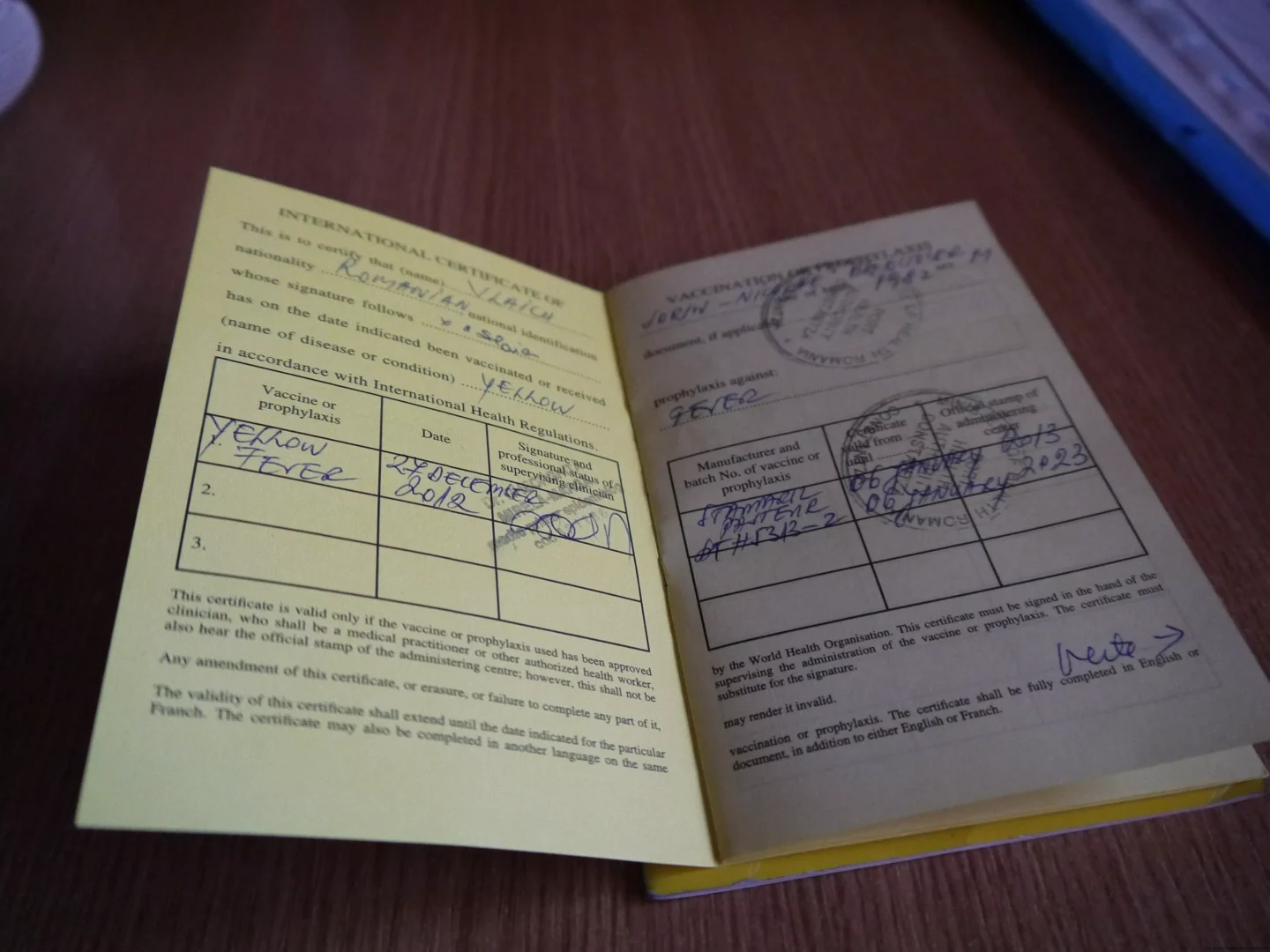
KAMPALA, Uganda — Uganda has dropped its requirement for travellers to present a yellow fever vaccination certificate when entering the country, the Directorate of Citizenship and Immigration Control has announced.
In an official notice issued on October 2, the National Citizenship and Immigration Control (NCIC) said the certificate was no longer a mandatory entry requirement.
The authority said the requirement was not listed on Uganda’s e-visa application portal or on the NCIC website.
“Travellers to Uganda therefore do not need a Yellow Fever vaccination certificate for entry,” the immigration authority said.
The clarification follows requests for confirmation over whether travellers were still required to produce the certificate at the border.
The NCIC advised travellers seeking further information to contact its Public Relations Office.
The removal of the certificate requirement does not mean that yellow fever vaccination is no longer medically important for people travelling to Uganda.
Uganda remains a country at risk of yellow fever transmission. The World Health Organization (WHO) says vaccination is the most important measure for preventing the disease, with a single dose providing lifelong protection for most people.
WHO also recommends vaccination for travellers visiting areas where yellow fever transmission occurs, subject to individual medical considerations.
The change announced by Uganda’s immigration authorities therefore concerns entry documentation, rather than the health risks associated with the disease.
Yellow fever is a mosquito-borne viral disease that can initially cause fever, headache, body aches, nausea, vomiting and weakness.
In severe cases, it can progress to jaundice, bleeding, organ failure and shock. WHO estimates that about 15% of infected people develop severe disease, with around half of those patients dying.
Uganda has experienced recurrent yellow fever outbreaks and remains classified as a high-risk country under the WHO-led Eliminate Yellow Fever Epidemics initiative.
In 2025, Uganda conducted an accelerated vaccination campaign in 19 districts in response to an active outbreak. WHO said the campaign vaccinated more than 4.2 million people and achieved 92% coverage among the targeted population.
Also Read: Uganda launches final phase of Yellow Fever vaccination drive, targets 5 million people
WHO’s regional data also recorded Uganda among the countries reporting yellow fever cases in 2024, with 41 confirmed and probable cases cited in its regional epidemiological assessment.
There is currently no specific antiviral treatment for yellow fever. Medical care is largely supportive, focusing on managing fever, dehydration and complications involving the liver and kidneys.
Vaccination remains the primary preventive measure.
The WHO says immunity develops in most vaccinated people within 10 days and exceeds 99% within 30 days, while a single dose provides lifelong protection.
Uganda’s latest immigration notice means travellers will no longer be required to present proof of vaccination for entry under the country’s current immigration requirements.
It does not, however, remove the underlying risk of yellow fever transmission or the public-health value of vaccination.
