


KAMPALA, Uganda — Uganda has discharged all 60 people identified as contacts of a Kenyan traveller who tested positive for Ebola after they completed the mandatory 21-day monitoring period without developing symptoms, the Ministry of Health has announced.
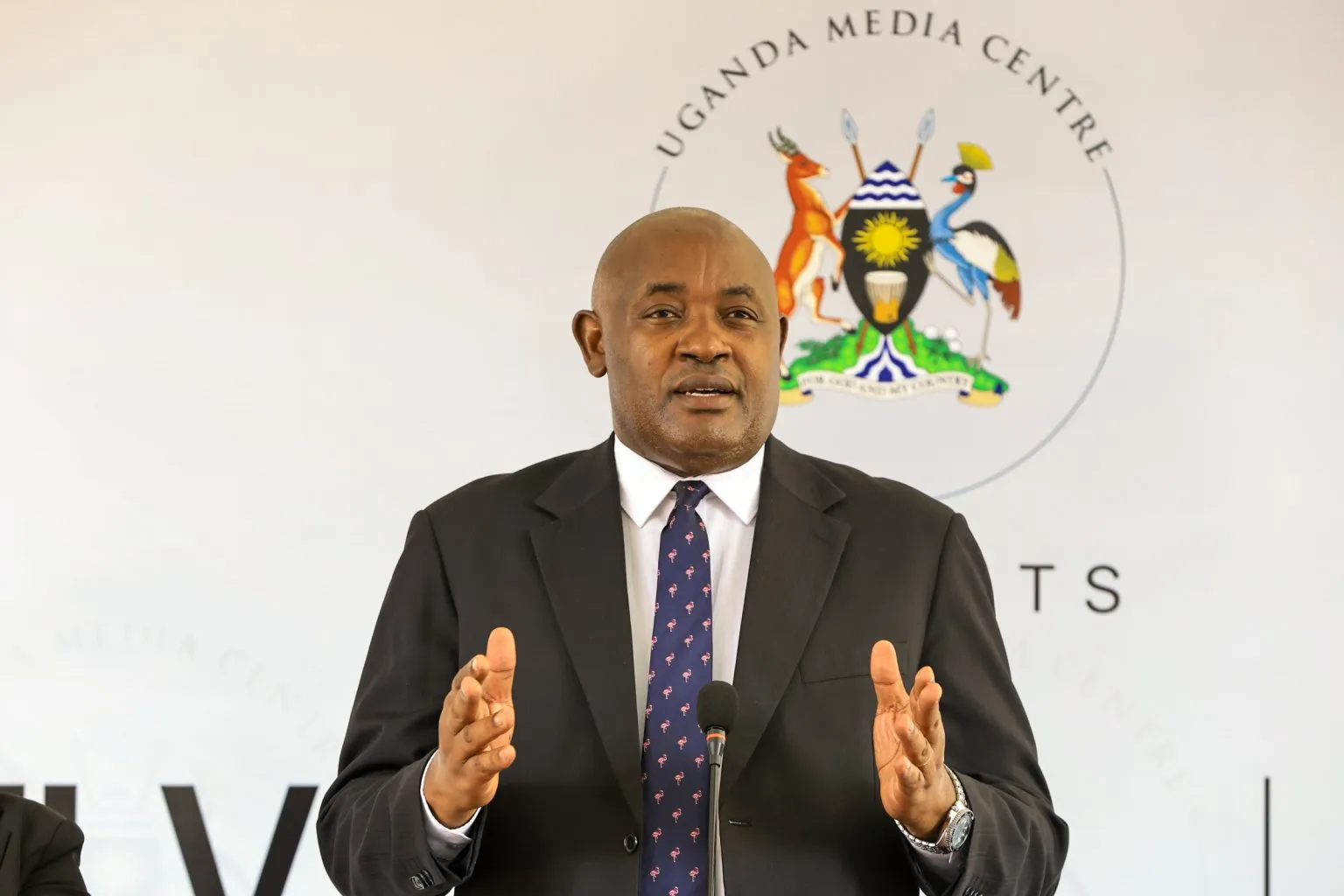
Health Minister Dr Chris Baryomunsi confirmed the development on Sunday, October 25, saying none of the contacts had tested positive for the disease. He maintained that Uganda had recorded no new Ebola cases since declaring the end of its Bundibugyo virus disease outbreak in July.
The announcement comes as health authorities investigate a separate Ebola case confirmed in Nigeria involving a woman who travelled from Uganda, raising fresh questions about the movement of the virus across international borders.
“The ministry of Health wishes to announce that all the 60 contacts which we listed, identified and monitored in Uganda in connection with the recent Kenyan traveller’s Ebola virus disease case have completed their 21-day follow-up period and have been discharged,” Baryomunsi said.
Addressing journalists at the Uganda Media Centre, the minister said the contacts had been identified through investigations into the Kenyan traveller’s movements through Uganda.
The group included personnel working at points of entry and exit, hotel employees and transport operators whose movements intersected with those of the traveller.
Baryomunsi said health officials reconstructed the traveller’s movements after receiving confirmation of the infection, allowing them to identify and monitor people who might have been exposed.
None of the 60 contacts developed symptoms during the monitoring period, according to the ministry.
Uganda tightens Ebola prevention measures
Despite clearing the contacts, Uganda is strengthening its preventive measures as Ebola cases continue to be reported in neighbouring countries.
On Sunday, Baryomunsi announced that Ugandan citizens returning from the Democratic Republic of Congo (DRC) with a history of travel there would be required to undergo 21 days of quarantine.
The government has also intensified screening at Entebbe International Airport, land border crossings and designated road checkpoints.
Travellers entering Uganda by air, land or water are required to undergo screening by port health officials, while passenger locator forms are being used to support contact tracing.
The measures reflect concerns over cross-border movement between Uganda and the DRC, where the current outbreak originated.
Uganda confirmed its Bundibugyo virus disease outbreak on May 15, 2026, and declared it over on July 28 after implementing response measures to interrupt transmission.
Baryomunsi said the country had not recorded another confirmed case since the outbreak was declared over. He nevertheless warned that continued transmission in the DRC and regular cross-border travel meant Uganda could not relax its surveillance measures.
The government is also supporting efforts to contain the outbreak in affected areas while maintaining preparedness at home.
Nigeria Ebola case under investigation
The clearance of the 60 contacts comes as Uganda works with Nigerian authorities and international health partners to investigate a confirmed Ebola case involving a woman who travelled from Uganda to Abuja.
Nigeria confirmed the case on October 20 after laboratory tests identified Bundibugyo virus in the woman, whose symptoms began on October 7, four days after she arrived in the country. She sought medical attention in Abuja and was subsequently isolated for treatment.
The World Health Organization (WHO) said investigations were continuing to establish the likely source of infection and reconstruct the woman’s travel and exposure history.
Baryomunsi said investigators were examining the woman’s movements and interactions while she was in Uganda, alongside genomic sequencing findings, to determine how the infection might be linked to cases in other affected countries.
Genomic sequencing involves analysing a virus’s genetic material to identify similarities and differences between samples.
The findings can help investigators assess whether cases may be epidemiologically connected, although genetic similarity alone does not establish where or from whom an individual contracted the infection.
Reuters reported on Sunday that genomic analysis showed Nigeria’s case was closely related to the strain detected in Kenya’s first reported case.
However, authorities have not established a direct link between the two patients, and the precise source of the Nigerian woman’s infection remains under investigation.
Also Read: Can Africa stop Ebola before it becomes another global crisis?
The findings have increased scrutiny of travel through Uganda, which has featured in the journeys of both patients.
Health officials are examining travel histories and possible exposure routes rather than treating transit through the country as proof that infection occurred there.
Baryomunsi said the ministry would make further findings public when the investigations were complete.
Authorities dismiss reports of Ebola in Kasese
The minister also dismissed concerns about suspected Ebola infections in Kasese and other districts bordering the DRC, saying no cases had been confirmed in those areas.
He urged the public to remain vigilant and report suspected symptoms to health authorities, stressing that the absence of confirmed infections did not remove the need for surveillance and early detection.
Uganda’s response remains focused on screening travellers, tracing potential contacts and coordinating with neighbouring countries as investigations into the regional outbreak continue.
The discharge of the 60 contacts closes the monitoring exercise linked to the Kenyan traveller in Uganda.
However, the separate investigation into the Nigerian case and continued transmission in the DRC mean health authorities are maintaining heightened vigilance.
For Uganda, the immediate challenge is to preserve the gains made since the July declaration that its outbreak had ended while ensuring that cross-border travel does not lead to renewed transmission.
