


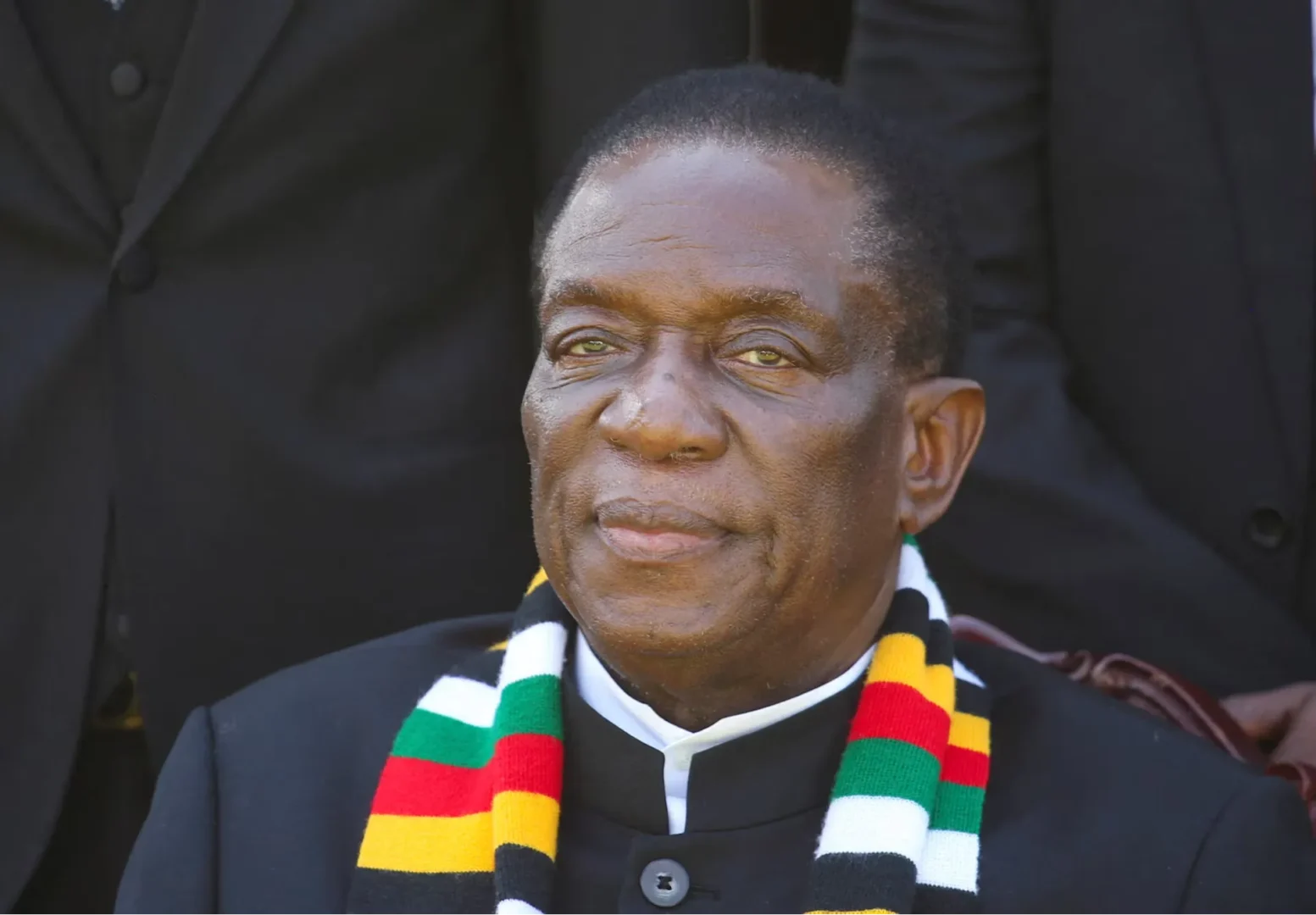
HARARE, Zimbabwe — Zimbabwe’s National Assembly has passed a constitutional amendment bill seeking to extend presidential terms from five years to seven years, a move that could allow President Emmerson Mnangagwa to remain in office until 2030.
Lawmakers on Thursday overwhelmingly approved the proposed legislation, with 216 members voting in favour — comfortably surpassing the two-thirds majority threshold of 187 votes required for constitutional amendments.
The bill now heads to the Senate, where it is widely expected to secure passage given the ruling ZANU-PF party’s dominance in the upper chamber through elected members, traditional leaders and allies who typically support government-backed legislation.
If enacted, the amendment would mark one of the most significant constitutional changes in Zimbabwe since Mnangagwa assumed power following the military-assisted removal of longtime ruler Robert Mugabe in 2017.
Debate over Presidential term extension
The proposed amendment has intensified political debate in Zimbabwe, with supporters arguing that longer presidential terms would enhance policy continuity, political stability and government accountability.
Critics, however, contend that the legislation is primarily designed to extend Mnangagwa’s stay in office beyond the limits envisaged under the current constitutional framework.
Speculation about a possible term extension first gained momentum around two years ago when supporters of the president began publicly campaigning for him to remain in office beyond the end of his second term in 2028.
The calls later evolved into an official party position after ZANU-PF resolved in 2025 to pursue constitutional reforms aimed at lengthening presidential terms. The proposal subsequently received Cabinet approval earlier this year before being tabled in Parliament.
Although government officials insist the amendment is intended to strengthen governance and ensure long-term development planning, opposition figures and civil society groups have questioned both its timing and motivation.
Mnangagwa’s political journey
Mnangagwa, 83, is one of Africa’s longest-serving political figures and has been a central figure in Zimbabwean politics for decades.
Nicknamed “The Crocodile” for his reputation as a shrewd and calculating political operator, he served in several senior government positions under Mugabe, including Minister of State Security, Minister of Justice and Vice President.
His rise to the presidency followed the dramatic events of November 2017, when the military intervened in a political succession battle within ZANU-PF and forced Mugabe to resign after nearly four decades in power.
Since taking office, Mnangagwa has pledged economic reforms and re-engagement with the international community. However, his administration has also faced criticism over governance, economic challenges and political freedoms.
Opponents of the proposed constitutional amendment have sought to challenge the process through the courts.
Several activists and veterans of Zimbabwe’s liberation struggle filed legal applications aimed at halting the proposed extension of presidential terms. However, those challenges were recently removed from the court roll on procedural grounds, clearing a major obstacle to the bill’s progression through Parliament.
With the National Assembly vote secured and Senate approval expected, attention is now turning to the next stages of the legislative process and the broader political implications of the proposed constitutional changes.
Wider African trend
The debate in Zimbabwe reflects a broader trend across parts of Africa where constitutional and legal changes have enabled leaders to remain in office for extended periods.
Also Read: He once criticised African leaders who overstay in power. Look where Uganda is now
Countries including Cameroon and Uganda have previously amended laws governing presidential tenure, moves that supporters described as promoting stability but which critics argued weakened democratic transitions.
The issue continues to generate debate across the continent, where some of Africa’s oldest leaders govern populations that are overwhelmingly young and increasingly vocal about political accountability and democratic reform.
Should the amendment ultimately become law, Zimbabwe would join a growing list of African states where presidential tenure has been extended through constitutional changes rather than regular political succession.
