


KAMPALA, Uganda — The Ministry of Education and Sports has dismissed widespread reports circulating on social media and in informal community discussions claiming that schools across Uganda have been closed or suspended due to Ebola.
The false information, which has gained traction on platforms including X (formerly Twitter), TikTok and WhatsApp, has caused anxiety among parents, learners and school administrators despite there being no official directive ordering school closures.
One account, @kemigishaMackl4, which has more than 23,000 followers, falsely claimed that schools had been suspended due to Ebola, describing the situation as severe. The post attracted significant engagement and was widely shared.
Another user, identified as Dorty Wallace, also circulated similar claims alleging that schools and public gatherings had been shut down following reported Ebola cases.
Old footage recycled in misleading posts
Investigations into the viral content show that some of the material being shared includes edited and recycled footage from previous national events, including presidential addresses during the COVID-19 pandemic in 2020 and remarks by Uganda National Examinations Board (UNEB) Executive Director Dan Odongo.
The videos have been manipulated or stripped of context and falsely linked to the current Ebola situation, including misleading claims that five confirmed cases had been reported in schools.
The misinformation has extended beyond social media into public spaces, with traders at Kalerwe Market on Monday morning discussing alleged school closures and comparing the rumours to the nationwide COVID-19 lockdowns of 2020.
Some traders believed any closures would likely affect only schools in border districts, while others expressed concern that the situation could escalate into a nationwide shutdown.
Ministry: Schools remain open
The Ministry of Education and Sports has firmly rejected the claims, confirming that all schools remain open and that learning is continuing normally across the country.
In a statement, Ministry spokesperson Dennis Mugimba urged the public to disregard unverified reports and rely only on official government communication channels.
“Please ignore videos and social media messages speculating about the closure of educational institutions. Only trust information from authorised government sources as you continue with normal learning routines safely,” Mugimba said.
The Ministry warned that the spread of misinformation during public health situations can create unnecessary panic and disrupt learning activities.
Ebola situation remains contained, authorities say
Uganda is currently responding to an Ebola outbreak linked to cross-border transmission from the Democratic Republic of Congo. According to the Ministry of Health, nine confirmed cases and one death had been recorded as of May 31, 2026.
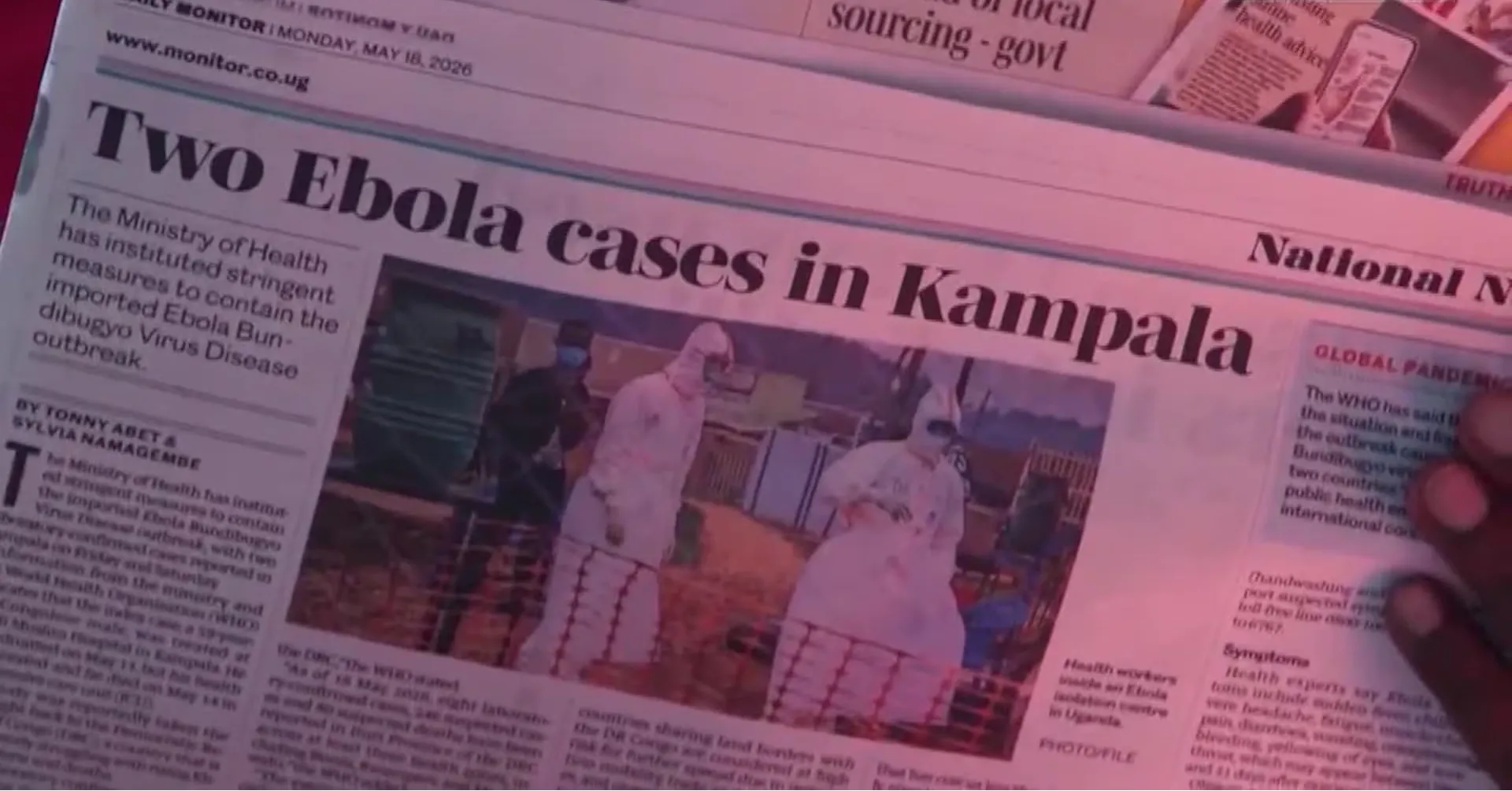
Health authorities have repeatedly emphasized that there is no directive to close schools, and that surveillance and containment measures remain focused on identified hotspots rather than national restrictions.
Schools operating under preventive guidelines
Ahead of the reopening of the second school term, the Ministries of Health and Education issued standard operating procedures aimed at reducing the risk of Ebola transmission in learning institutions.
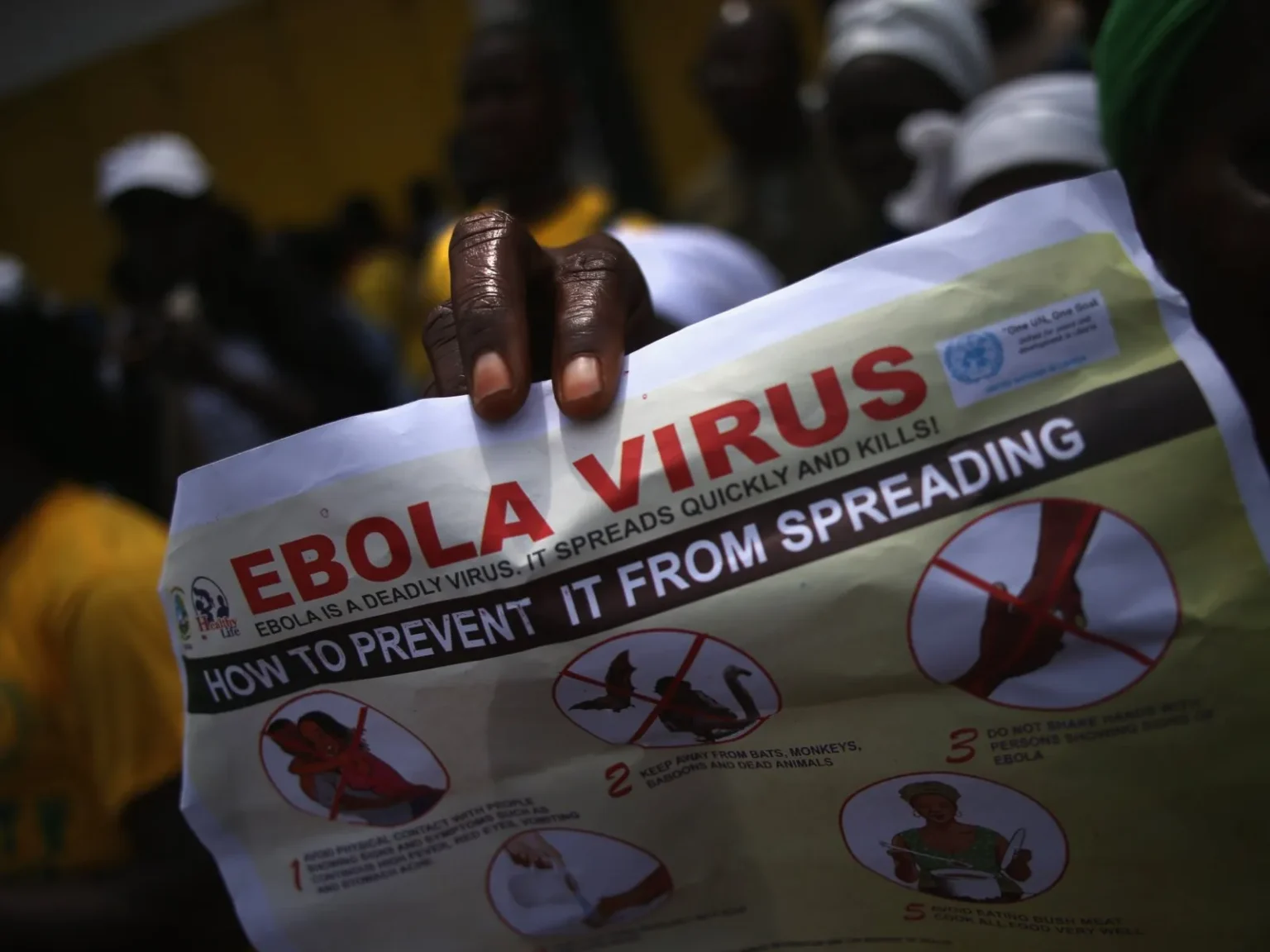
The guidelines include regular handwashing with soap and water, temperature screening, establishment of isolation areas for suspected cases, and continuous monitoring of learners for symptoms.
Also Read: Ugandan broadcasters seek funding for Ebola awareness campaign
Schools reopened as scheduled and continue to operate under these preventive measures, with authorities noting that compliance levels have generally improved after an initial adjustment period.
Although some institutions initially faced challenges in fully implementing the protocols, the government allowed a short compliance window to ensure adequate preparation.
Rising concern over misinformation
Officials and public health experts have increasingly warned about the spread of false information related to Ebola, particularly on social media platforms where unverified claims can circulate rapidly.
Authorities say misinformation risks undermining public health response efforts by creating confusion, fear and resistance to official guidance.
As the outbreak continues to be monitored, the government has urged the public to verify all health-related information with official sources before sharing or acting on it.