


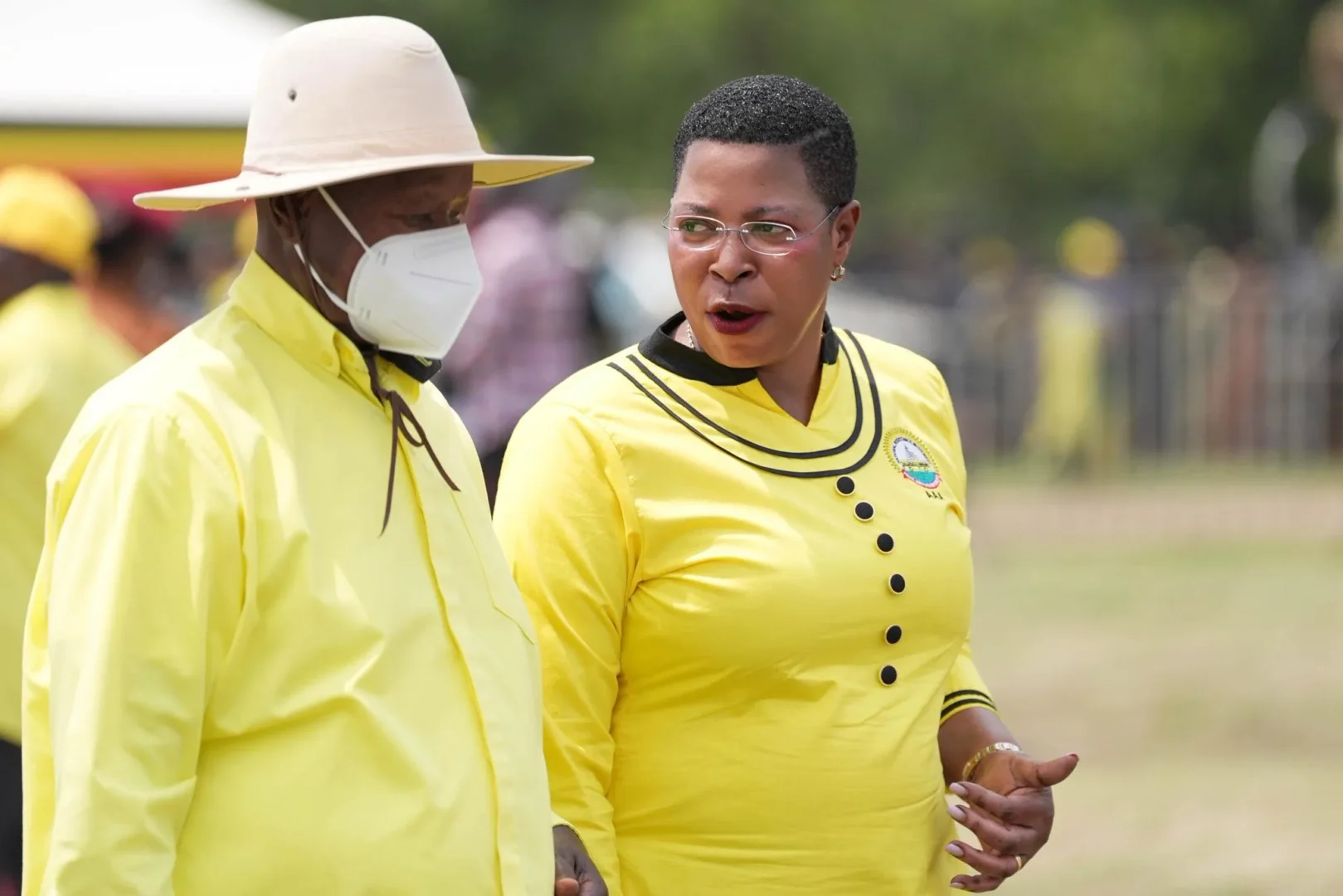
KAMPALA, Uganda — The election of Jacob Markson Oboth-Oboth as Speaker of Uganda’s 12th Parliament has marked the abrupt end of Anita Annet Among’s tenure at the helm of the legislature, concluding a high-stakes political contest that reshaped the country’s parliamentary leadership.
Until just weeks before the vote, Among appeared firmly positioned to retain the speakership after securing endorsement from the Central Executive Committee (CEC) of the ruling National Resistance Movement (NRM), the party’s second-highest decision-making organ.
However, her political standing weakened rapidly in the final stretch, culminating in a decisive loss that has left her future within Uganda’s political hierarchy uncertain.
Since her rise as Deputy Speaker in 2021 and later elevation to Speaker in 2022 following the death of Jacob Oulanyah, Among had established herself as one of the most influential figures in Parliament, presiding over a period of strong executive alignment and institutional consolidation.
Her defeat now raises questions over her next political move. Practically, her options appear limited, with most paths dependent on the decisions of President Yoweri Museveni and the evolving dynamics within the ruling establishment.
President Museveni has not publicly commented on Among’s loss. However, reports suggest internal political recalibrations preceded the vote, including alleged tensions over her decision not to formally withdraw from the speakership race when requested.
Sources further claim she had been offered a potential Cabinet position as part of discussions aimed at persuading her to step aside, though this has not been officially confirmed.
Political commentator Andrew Mwenda, speaking on a podcast alongside Robert Kabushenga and Charles Onyango-Obbo, argued that Museveni’s political style often allows for post-conflict reintegration of sidelined figures.
“I think he can still appoint her to Cabinet,” Mwenda observed, suggesting that political rehabilitation remains a possible outcome.
However, the newly announced Cabinet does not include Among, leaving her future position unresolved.
Following the reshuffle, Oboth-Oboth confirmed that Parliament is awaiting the nomination of opposition representatives to constitute the Appointments Committee responsible for vetting executive appointments.
For now, Among remains the Member of Parliament for Bukedea District, though even that position has previously been politically contested amid allegations of electoral manipulation and unopposed returns.
Her exclusion from Cabinet marks a significant decline in influence, while ongoing corruption investigations continue to add pressure around her political standing. The extent of government action remains unclear.
A former Member of Parliament close to Among described the situation as politically fluid.
“I don’t want to believe she could be sent to prison, but with what is happening, anything is possible,” the former legislator said, citing growing uncertainty within political circles.
Oboth-Oboth pledges accountability in 12th Parliament
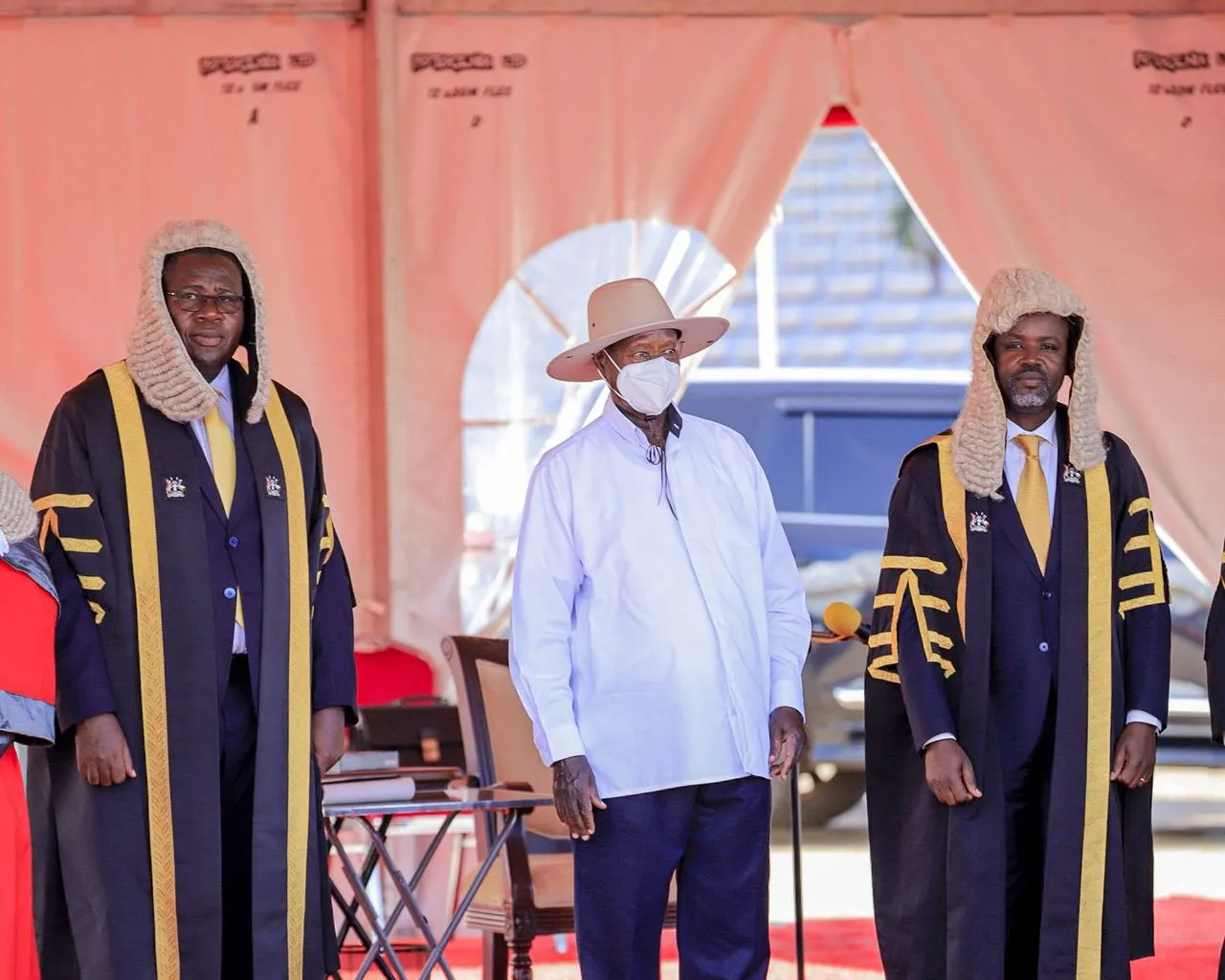
Newly elected Speaker Jacob Oboth-Oboth has pledged to restore accountability, discipline and transparency in the 12th Parliament, signalling a shift in legislative tone following years of public criticism over parliamentary conduct and expenditure.
He secured 441 votes out of 518 cast at Kololo Independence Grounds, defeating National Unity Platform candidate Paul Mwiru, who received 60 votes, and Democratic Party President Norbert Mao, who polled 15 votes. Three ballots were declared invalid.
Chief Justice Flavian Zeija presided over the sitting, after which Oboth-Oboth was sworn in and formally handed parliamentary symbols of authority, including the mace and Constitution.
“In the next five years, we will hold the Executive and other government bodies accountable, but we must start with ourselves,” he said in his inaugural address.
He emphasized that accountability must begin within Parliament itself, warning against misuse of public resources.
Oboth-Oboth also pledged to strengthen oversight systems to ensure early detection of financial risks rather than reactive investigations after losses occur.
“Oversight should not be a postmortem,” he said. “We must act in real time to prevent the loss of public funds.”
He further emphasized the role of the media in democratic accountability, describing journalists as essential partners in public oversight.
Also Read: Anita Among corruption probe widens to her Bukedea radio, school and hospital
“The media are not our enemies, but the public’s eyes and ears,” he said, calling for a more transparent and open Parliament.
A lawyer by training, Oboth-Oboth brings extensive parliamentary and legal experience, having served as Minister of Defence and Veterans Affairs and chaired several key parliamentary committees, including Legal and Parliamentary Affairs, Rules, Discipline and Privileges, and Natural Resources.
He first entered Parliament in 2011 and has built a reputation within both legislative and executive structures of government.
His leadership now begins under intense scrutiny, with expectations that the new Parliament will redefine its relationship with accountability, governance, and executive oversight.
Whether those reforms materialise will depend on how quickly institutional culture aligns with his stated commitments.
