


KAMPALA, Uganda — Uganda’s government has introduced the Protection of Sovereignty Bill, 2026, a far-reaching legislative proposal that would significantly tighten regulation of foreign funding, political influence, and international partnerships involving individuals, organisations, and businesses.
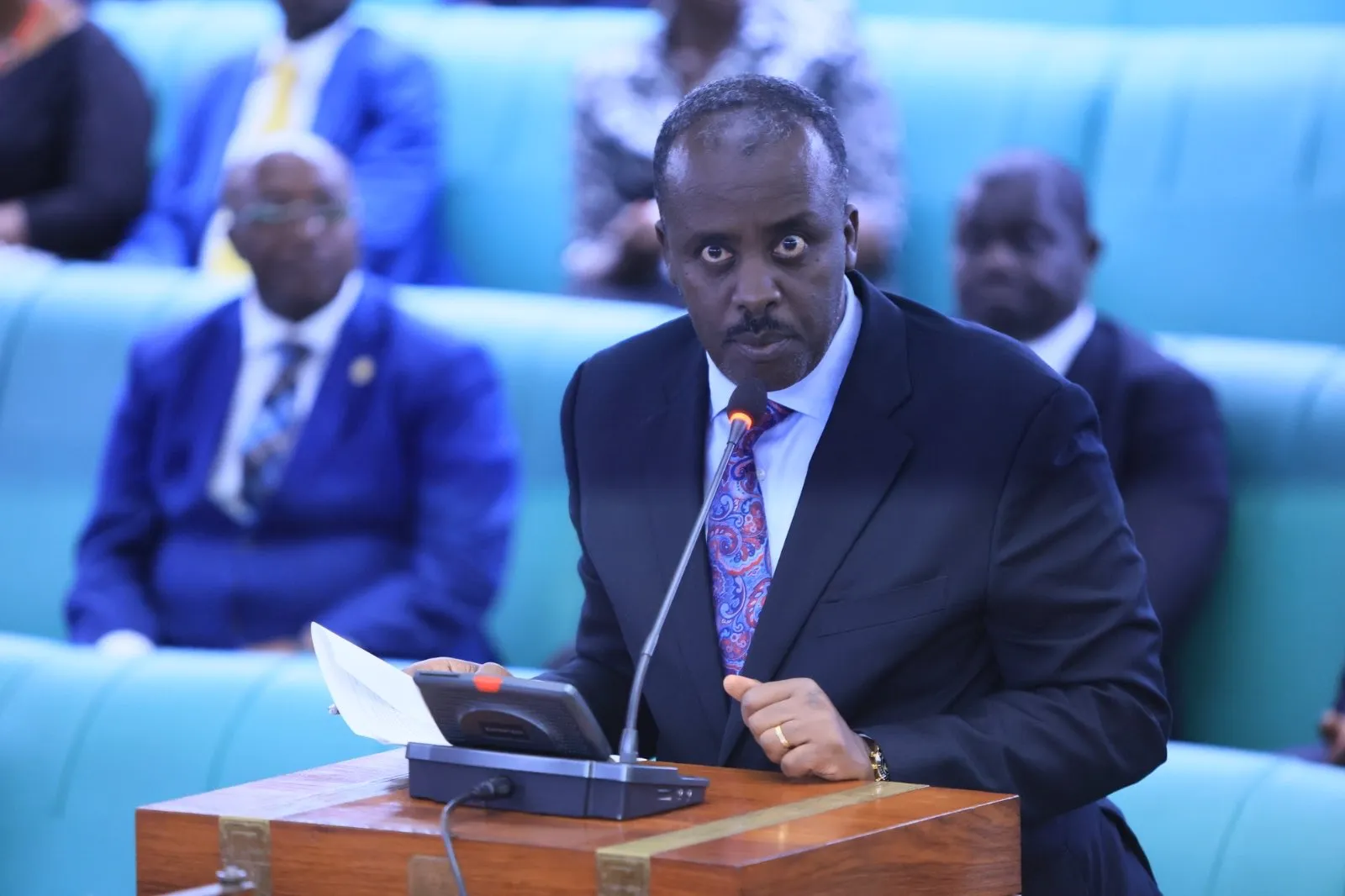
The bill, tabled in Parliament by State Minister for Internal Affairs David Muhoozi during a sitting presided over by Speaker Anita Annet Among, proposes heavy financial penalties, long custodial sentences, and expanded executive control over cross-border financial flows.
The presentation immediately triggered procedural objections from Members of Parliament, who protested the absence of printed copies of the draft law. However, the Speaker dismissed the concerns, instructing legislators to access the document digitally via parliamentary iPads.
At the centre of the proposed law is a strict regulatory framework targeting individuals and entities acting on behalf of foreign actors. It requires mandatory registration for anyone deemed to be operating under foreign instruction or influence.
The Protection of Sovereignty Bill, 2026, further introduces enhanced oversight of external funding, stipulating that any person or organisation receiving more than Shs400 million annually from foreign sources must obtain prior written approval from the Minister responsible.
All foreign lending to Ugandan borrowers would also require ministerial clearance, effectively placing international credit arrangements under direct political oversight.
Failure to comply with the proposed regulations could result in individuals or organisations being designated as “foreign agents”, a classification that carries severe legal consequences, including imprisonment of up to 20 years.
The legislation also criminalises what it terms the “peddling of foreign interests” in electoral processes, citing constitutional provisions that reserve political authority exclusively for Ugandan citizens.
Organisations and individuals found to be in breach could face substantial penalties. Individuals risk fines of up to Shs2 billion or long-term imprisonment, while organisations, including NGOs and corporations, could be fined up to Shs4 billion.
The bill also introduces offences related to activities deemed harmful to the national economy or disruptive to government operations, each punishable by up to 20 years in prison.
Beyond punitive fines and imprisonment, the draft law grants authorities broad powers to seize assets and funds linked to alleged violations. This significantly expands the state’s enforcement capacity over financial and civil society operations.
The proposal comes at a time of heightened scrutiny of non-governmental organisations in Uganda, following recent enforcement actions by financial authorities, including account freezes and regulatory shutdowns affecting several NGOs.
Also Read: Uganda’s NGO Funding Bill stalls in parliament amid civil society outcry over oversight
The bill has now been referred to the Committee on Defence and Internal Affairs, as well as the Legal Committee, for detailed examination and public consultation.
Its progression is expected to generate intense debate in Parliament and among civil society groups, particularly over its implications for civic space, foreign investment flows, and the balance between national security and democratic freedoms.
Across the region, governments have in recent years intensified regulation of foreign funding in sectors such as governance, human rights advocacy, and political mobilisation, often citing sovereignty and financial integrity concerns.
Analysts say Uganda’s proposed framework represents one of the most expansive attempts yet to formalise such controls.
