


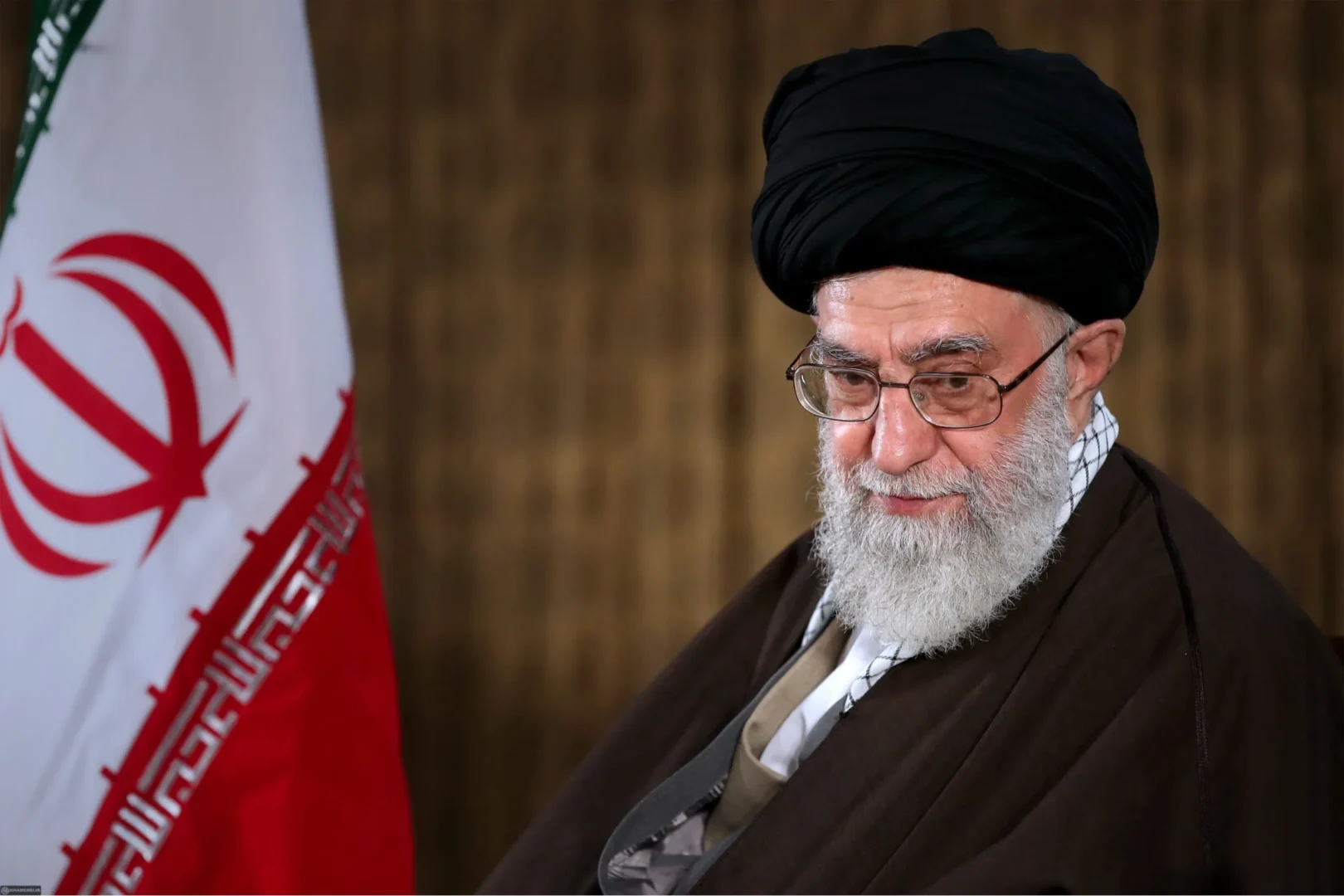
TEHRAN, Iran — Iran is facing one of the most volatile moments in its modern history following reports that Supreme Leader Ayatollah Ali Khamenei was killed in coordinated US–Israeli airstrikes on Saturday morning.
The death of the 85-year-old cleric would mark the most dramatic escalation in tensions between Tehran, Washington and Tel Aviv in decades, and the first time a sitting Iranian supreme leader has been assassinated.
Khamenei had led Iran since 1989, succeeding revolutionary founder Ruhollah Khomeini. Before that, he served as president from 1981 to 1989, consolidating power during and after the 1979 Islamic Revolution.
His tenure spanned the Iran-Iraq war, years of Western sanctions, regional proxy conflicts, and repeated waves of domestic unrest.
What is known about the strike
The strikes reportedly occurred at around 9:40am local time in Tehran, targeting a compound in central Tehran that houses offices and residences linked to the supreme leader, the presidency and the National Security Council.
According to reporting by The New York Times, citing unnamed sources familiar with the operation, the Central Intelligence Agency had gathered intelligence about a high-level meeting scheduled for Saturday morning involving Khamenei and senior defence officials. The intelligence was reportedly shared with Israel.
In a post on his Truth Social platform, US President Donald Trump wrote that the Iranian leader “was unable to avoid our Intelligence and Highly Sophisticated Tracking Systems and, working closely with Israel, there was not a thing he, or the other leaders that have been killed along with him, could do”.
It remains unclear whether US intelligence relied on intercepted communications, satellite surveillance, cyber capabilities or human assets on the ground. Analysts suggest a combination of signals intelligence, satellite tracking and long-standing Israeli covert networks inside Iran may have been involved.
Israel has previously demonstrated deep intelligence penetration within Iran, including the assassination of nuclear scientists during past confrontations.
How the operation unfolded
Reports indicate Israeli fighter jets departed from bases in Israel at approximately 6:00am local time, reaching Iranian airspace roughly two hours later. The aircraft were said to be equipped with long-range precision munitions.
While some US lawmakers, including Republican Congressman Mike Turner, told CBS that Washington did not directly target Khamenei, US military officials acknowledged “non-kinetic effects” were deployed.
In a briefing, US Joint Chiefs Chairman Dan Caine said: “the first movers were US Cybercom and US Spacecom, layering non-kinetic effects, disrupting and degrading and blinding Iran’s ability to see, communicate and respond.”
Satellite imagery published by international media showed heavy structural damage and smoke rising from sections of the compound.
Casualties and wider impact
The Iranian Red Crescent has reported at least 787 fatalities nationwide as of Monday, with hundreds more injured. Among the dead are said to be senior figures within the Islamic Revolutionary Guard Corps (IRGC).
At least 13 high-ranking defence officials were reportedly killed, including IRGC Commander Mohammad Pakpour and other senior security chiefs. Iranian authorities have not independently released a comprehensive casualty list.
Strikes have also reportedly hit civilian infrastructure, including hospitals and schools. A separate strike in eastern Tehran initially fuelled rumours that former President Mahmoud Ahmadinejad had been killed.
Iranian media later reported he was alive and unharmed, though members of his security detail were said to have died.
Interim leadership announced
On Sunday, Iranian authorities named a provisional three-member leadership council comprising President Masoud Pezeshkian, Chief Justice Gholam-Hossein Mohseni-Ejei, and Guardian Council member Ayatollah Alireza Arafi.
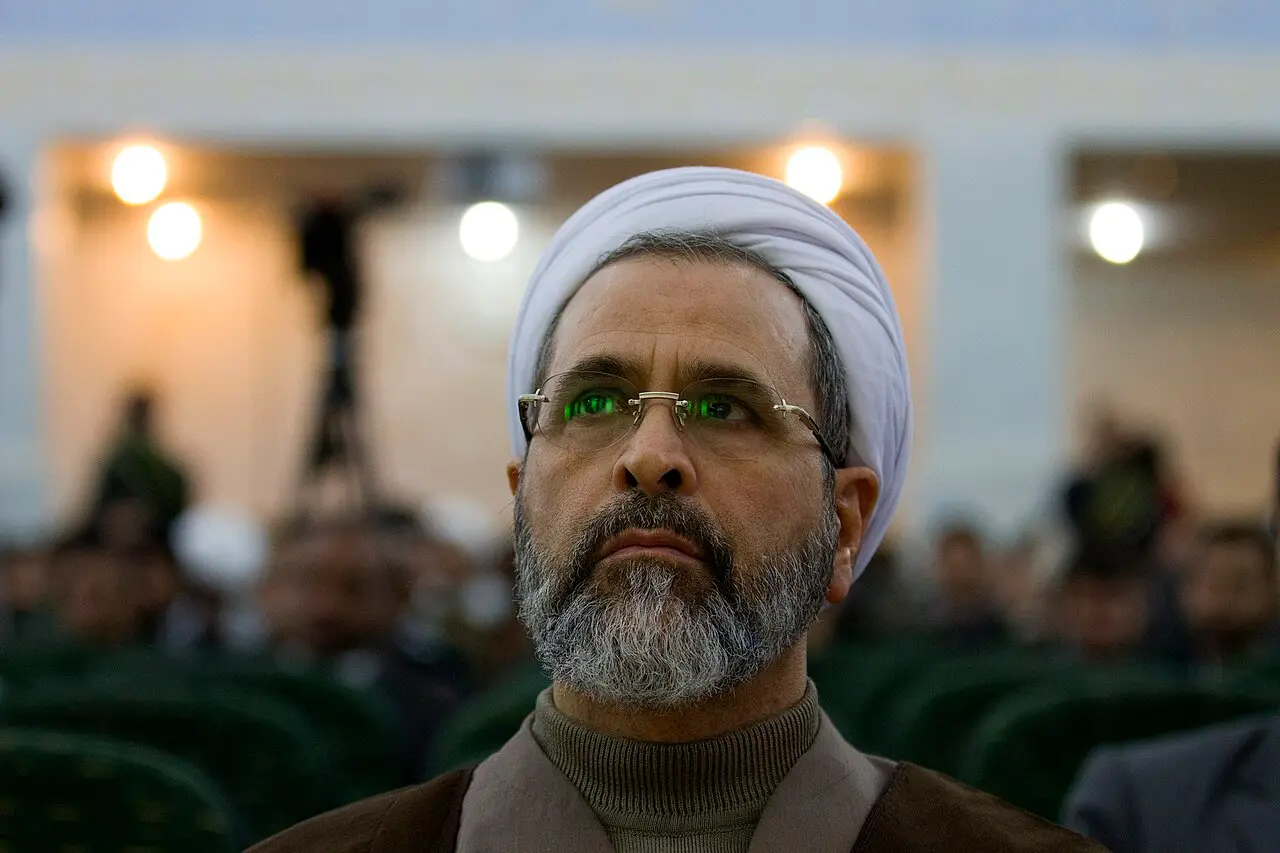
Under Iran’s constitution, the Assembly of Experts is responsible for appointing a new supreme leader. However, the unprecedented nature of the reported assassination may complicate succession and deepen factional struggles within the political and clerical establishment.
Regional escalation
In response, Iran has reportedly launched retaliatory strikes targeting Israel and US military assets across the Gulf, including sites in Qatar, Kuwait, Saudi Arabia, the UAE, Bahrain and Oman.
US Defence Secretary Pete Hegseth defended the operation as necessary to curb Iran’s nuclear and missile ambitions. President Trump has said strikes would continue until what he described as “peace in the Middle East” is achieved.
The developments have heightened fears of a broader regional war, with energy markets and global security analysts warning of potential disruptions to Gulf shipping routes and oil exports.
Also Read: Iran appoints Ayatollah Alireza Arafi to interim Leadership Council after Khamenei’s death
Khamenei’s leadership was marked by enduring confrontation with the West, support for regional proxy groups, and strict domestic controls.
His government faced repeated mass protests over disputed elections, economic hardship and social freedoms. Human rights groups have long criticised Tehran for repression, including violent crackdowns on demonstrators.
The reported assassination represents a seismic shift in Middle Eastern geopolitics. If verified, it would fundamentally alter Iran’s internal power balance and reshape its confrontation with Israel and the United States.
Independent verification of several battlefield claims remains difficult amid communications disruptions and the fog of conflict.
