


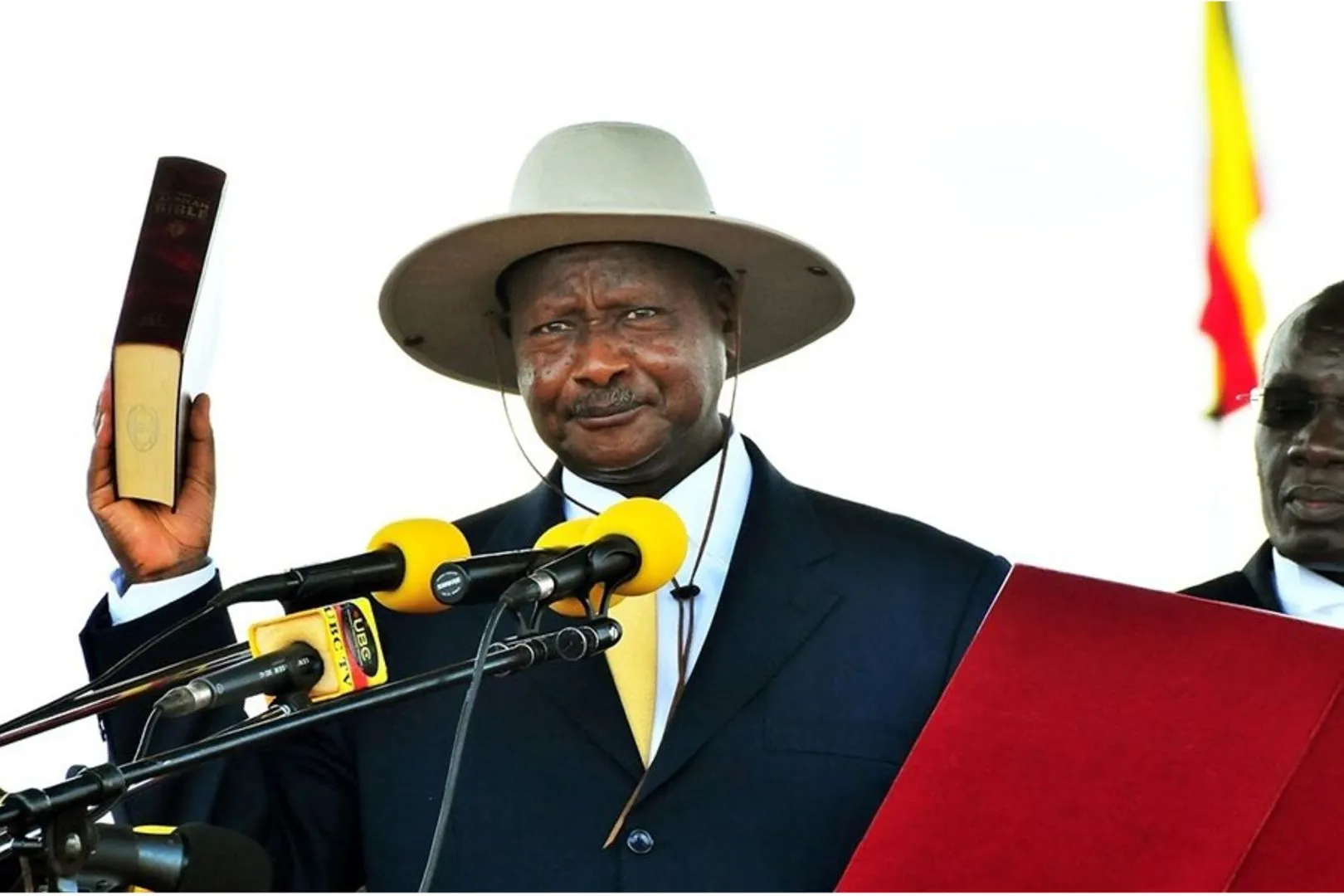
KAMPALA, Uganda — Uganda has intensified nationwide preparations ahead of the swearing-in of President-elect Yoweri Kaguta Museveni, scheduled for May 12 at Kololo Ceremonial Grounds, with authorities rolling out a coordinated programme of events aimed at mobilising public participation.
Speaking during a press briefing at the Uganda Media Centre, the Minister for Presidency, Milly Babirye Babalanda, said preparations were in advanced stages, describing the inauguration as a significant national milestone.
“We call upon all Ugandans to be part of this historic occasion with discipline, calmness, and patriotism as we usher in a new term of leadership,” she said.
Government has outlined a series of activities in the days leading up to the inauguration, aimed at fostering national reflection and participation.
These include coordinated thanksgiving prayers across religious denominations:
- Friday, May 8 – Mosques
- Saturday, May 9 – Seventh-day Adventist churches
- Sunday, May 10 – Other Christian denominations
Officials say the interfaith approach is intended to symbolise unity and inclusivity in the lead-up to the transition.
In parallel, the government is set to release the end-term evaluation report of the 2021–2026 manifesto of the National Resistance Movement (NRM), with preliminary findings indicating an 88 percent implementation rate, figures likely to shape political messaging around the new term.
To broaden access to the ceremony, organisers are working with the Kampala Capital City Authority (KCCA) to install large digital screens across Kampala, enabling citizens to follow proceedings beyond the main venue.
Resident District Commissioners (RDCs) have also been tasked with coordinating grassroots mobilisation efforts nationwide, supported by radio, television and digital media campaigns.
At least 35 international delegations have confirmed attendance, signalling continued diplomatic engagement with Uganda at a time of regional and global geopolitical shifts.
The guest list is expected to include representatives from African governments, the diplomatic corps, religious institutions and cultural leaders, reflecting the broader significance of the event beyond domestic politics.
Security agencies have heightened readiness across the Kampala Metropolitan Area and key routes leading to the venue.
The deployment is being coordinated by the Uganda Police Force, with support from the Uganda People’s Defence Forces (UPDF) and specialised units.
Also Read: Museveni wins again: What the 2026 vote means for Uganda
Authorities say detailed traffic management plans will be communicated ahead of the event to minimise disruption and ensure smooth movement.
Presidential inaugurations in Uganda are both constitutional requirements and symbolic markers of political continuity.
For the government, the upcoming ceremony represents an opportunity to reinforce narratives of stability, development and national unity.
“This is a moment for every Ugandan to reflect on the journey of our country and actively participate in shaping its future,” Babalanda also noted.
As the countdown continues, attention will focus not only on the ceremony itself but also on the broader political and economic agenda expected to define the next term of leadership.
