


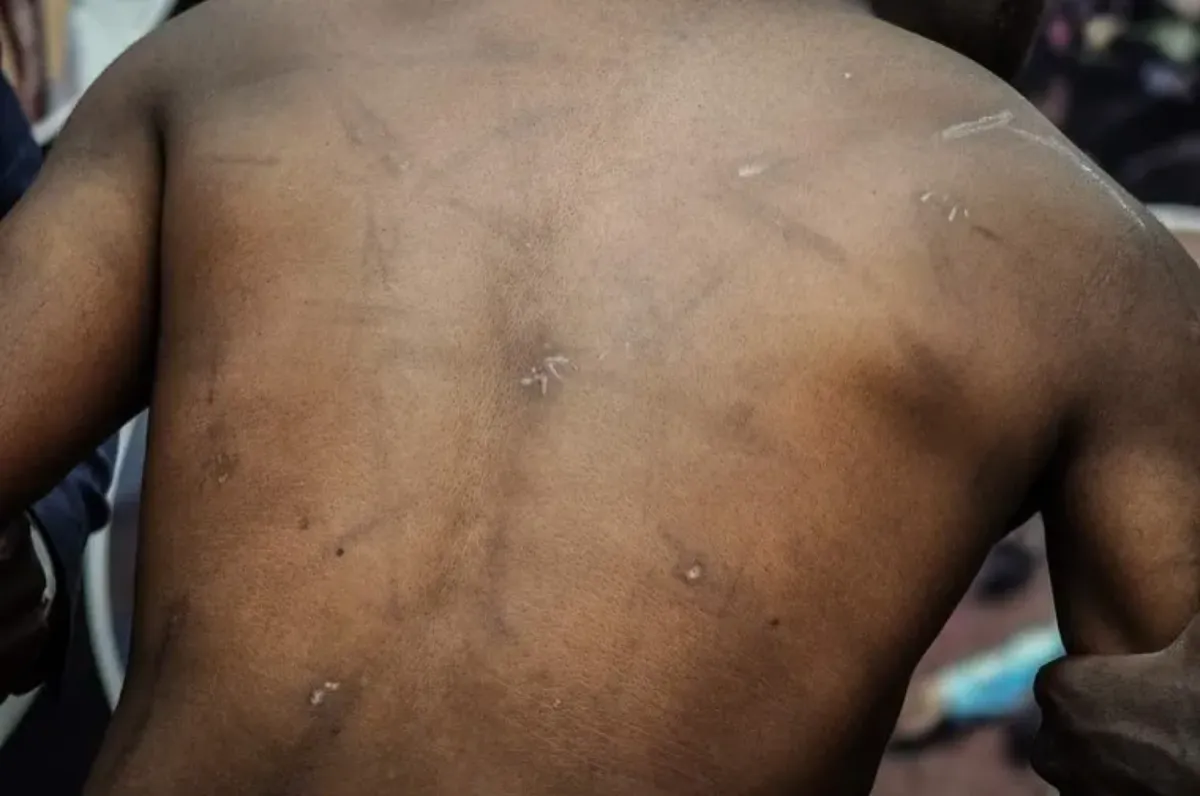
KAMPALA, Uganda — Uganda’s High Court has awarded Shs172 million in damages to Leo Ntege after finding that he was subjected to torture and prolonged unlawful detention by operatives linked to the Chieftaincy of Military Intelligence (CMI), now restructured as the Defence Intelligence and Security.
In a strongly worded judgment, Justice Isaac Bonny Teko held that Ntege’s constitutional rights had been violated, underscoring that detention beyond 48 hours without due process is unlawful and that torture represents an absolute breach of human dignity.
The ruling emphasises the judiciary’s role in safeguarding civil liberties, with the court noting that abuses by state agents must attract firm legal consequences.
Justice Teko observed that when civilians are subjected to illegal detention, degrading treatment and physical abuse, courts have a duty to respond decisively to uphold the Constitution and deter future violations.
Court records show that Ntege was arrested on July 27, 2021, at his home in Mutundwe, Masanyalaze Zone, when armed men identifying themselves as CMI operatives reportedly raided his residence at about 3:00 a.m.
The operation was allegedly led by pastor Sadrack Kaganda, who accused Ntege of illegally possessing a firearm. No weapon was recovered, but several personal belongings, including electronic devices, identification documents and financial cards, were confiscated.
Ntege told the court that he was blindfolded and transported to a “safe house,” later identified as Mbuya Military Barracks.
He described enduring daily beatings with wire canes, severe physical abuse and degrading treatment, including being subjected to extreme forms of torture and denied access to essential diabetes medication.
He said the conditions significantly worsened his health.
After 25 days in detention, Ntege was transferred to the Police Special Investigations Unit in Kireka. He later developed kidney complications and other long-term health issues, telling the court he had spent Shs22 million on medical treatment.
Medical and psychological assessments presented in court, including findings from the African Centre for Treatment and Rehabilitation of Torture Victims, supported his account.
The Attorney General, representing the state, denied that Ntege had been detained at Mbuya but acknowledged he had been arrested during a joint security operation. The defence also argued that Kaganda, being a civilian, could not have commanded military personnel.
However, Justice Teko dismissed these arguments, finding the government’s denial unsupported by evidence. He described Ntege’s testimony as detailed, consistent and corroborated.
The court concluded that the acts described, including beatings, incommunicado detention, humiliation, threats and denial of medical care, amounted to clear violations of constitutional protections against torture and degrading treatment.
Also Read: Kenyan activists Bob Njagi and Nicholas Oyoo recount torture in Museveni’s ‘fridge’
Kaganda was also found liable after failing to respond to the claims, leaving the allegations against him uncontested.
The court awarded:
- Shs22 million in special damages for medical expenses
- Shs150 million in general damages
The government and Kaganda were ordered to jointly pay the compensation, along with legal costs.
The ruling adds to a growing body of judicial decisions in Uganda addressing allegations of torture and unlawful detention linked to security agencies.
While reforms, such as the transition from CMI to Defence Intelligence and Security, have been framed as efforts to improve oversight, human rights groups continue to raise concerns about accountability and enforcement.
Legal analysts say the judgment reinforces the constitutional prohibition of torture and may strengthen future claims by victims seeking redress.
For many observers, the case highlights the ongoing tension between national security operations and the protection of individual rights, an issue that remains central to governance and the rule of law across the region.
