



ACCRA, Ghana — Ghanaian authorities have arrested self-proclaimed prophet Evans Eshun, popularly known as Ebo Noah, after his widely publicized prediction of a catastrophic “end-of-the-world” flood on Christmas Day 2025 triggered public anxiety, online panic, and heightened security concerns across the country and beyond.
Eshun was taken into custody by the Inspector General of Police’s Special Cyber Vetting Team, a specialized unit tasked with monitoring digital threats and harmful online activity, as part of intensified security operations ahead of December 31st religious services, a period that traditionally draws massive crowds to churches and prayer centers nationwide.
Prophecy that captivated and terrified the public
The controversial preacher first drew international attention last month after releasing a series of viral videos and livestreams in which he claimed to have received a divine revelation foretelling the complete destruction of the world by flood on December 25, 2025.
According to Eshun, only those who entered specially constructed “arks” would survive the coming catastrophe. He proceeded to build eight large wooden structures, which he described as modern-day arks, urging followers to seek refuge inside them as Christmas approached.
The extraordinary claims ignited massive debate across social media platforms, with thousands sharing his videos, debating the prophecy, and in some cases expressing genuine fear and distress.
Religious leaders, scientists, and civil society organizations moved quickly to counter the claims, warning that such predictions had no theological or scientific basis and posed serious risks to public order.
Why authorities stepped in
Police sources say Eshun’s arrest forms part of a broader national strategy to prevent panic-driven disruptions, misinformation, and potential public safety crises during the festive season — particularly the highly attended “31st night” crossover services, when millions of Ghanaians gather in churches.
“The objective is not to suppress religion,” a senior police official told Vivid Voice News, “but to prevent the abuse of digital platforms in ways that endanger public safety and social stability.”
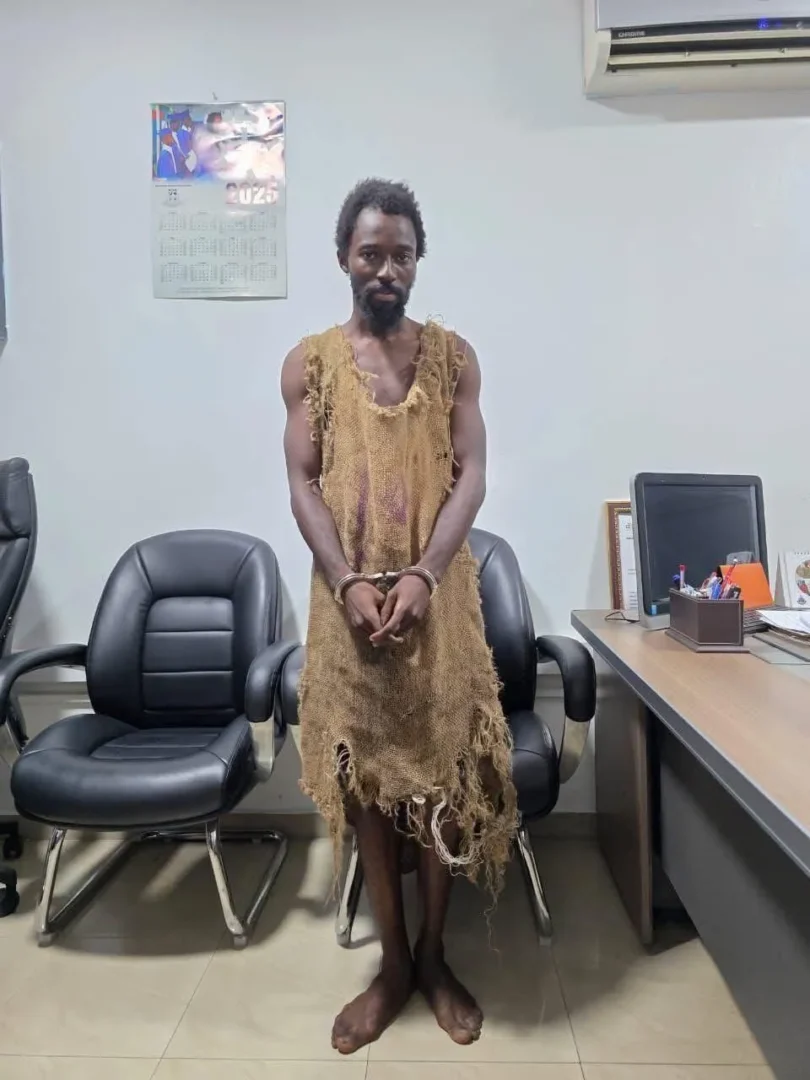
Investigators are examining whether Eshun’s online activities violated Ghana’s cybercrime and public order laws by spreading false information likely to cause fear and panic.
Public reaction: Faith, fear, and the power of digital influence
While some supporters continue to defend the prophet, insisting he was misunderstood, many Ghanaians have welcomed the intervention, citing the emotional toll the prophecy has taken on families, churches, and vulnerable communities.
Mental health professionals have warned that apocalyptic messaging can trigger severe psychological distress, particularly among children and individuals struggling with anxiety.
“This episode demonstrates the dangerous intersection of religious influence, digital virality, and unchecked misinformation,” said social analyst Kwame Boateng.
Police say Eshun remains in custody as investigations continue. Authorities are expected to release further details on possible charges in the coming days.
Meanwhile, faith leaders across Ghana have renewed calls for responsible religious leadership, urging the public to rely on verified information and sound spiritual guidance.
