


LIRA, Uganda — More than 200 government officials have been interdicted across Uganda’s Lango sub-region following a sweeping anti-corruption operation that has exposed allegations of irregular recruitment, misuse of public funds, abuse of office and poor management of public projects.
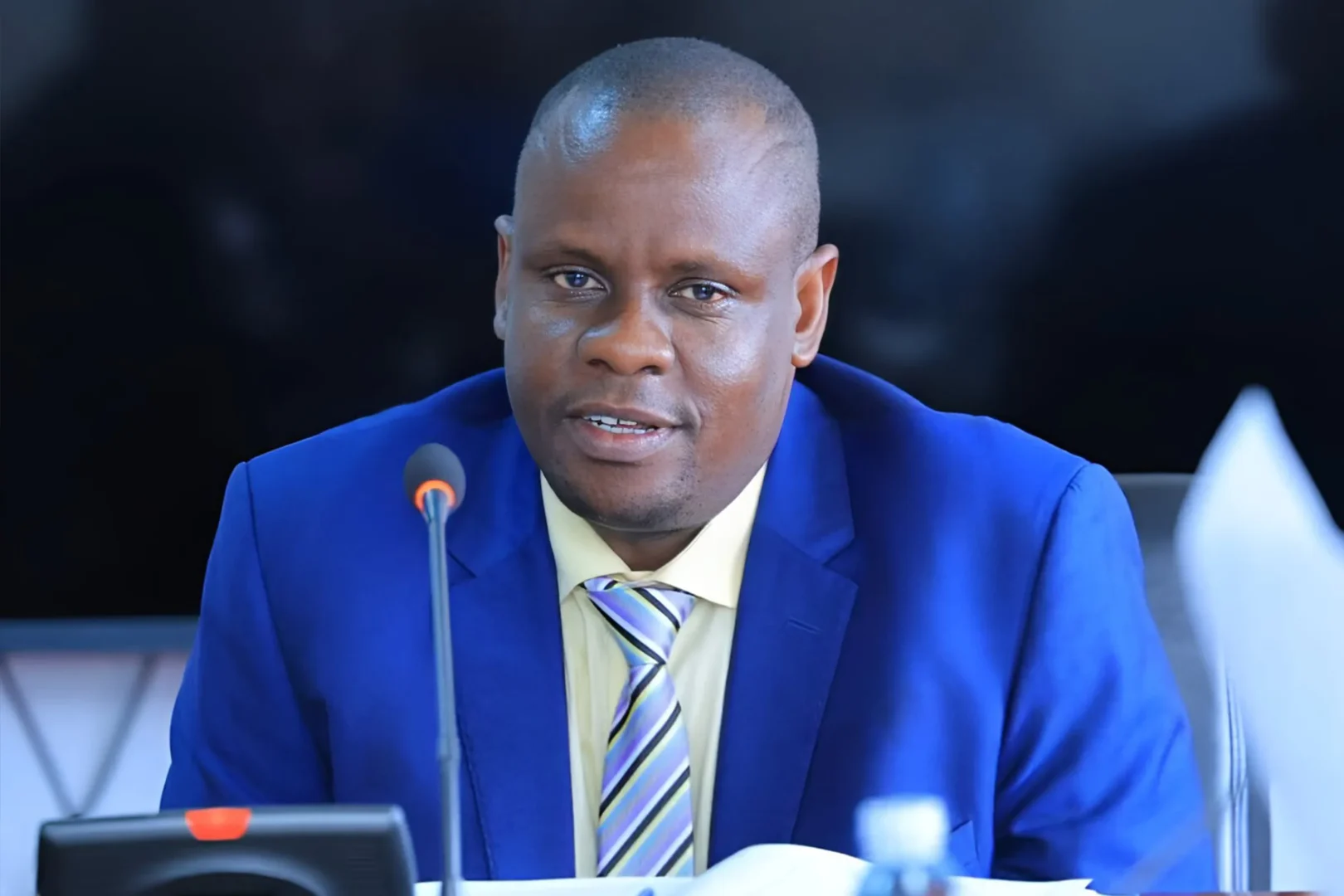
The operation, led by Local Government Minister Balaam Barugahara Ateenyi, has placed five district administrations under scrutiny, with at least 207 officials reportedly affected in Amolatar, Dokolo, Lira, Apac and Kwania.
The exercise, conducted under the government’s Expose the Corrupt campaign, has involved inspections of government schools, hospitals, roads and administrative offices, alongside public meetings where residents have presented complaints about suspected corruption and failures in service delivery.
The affected officials reportedly include chief administrative officers, finance officers, district engineers, education officials, health officers, human resource personnel, sub-county chiefs and other local government employees.
The scale of the operation has drawn attention to the management of public resources at the local government level, where district administrations are responsible for delivering essential services, implementing government programmes and overseeing development projects.
However, the interdictions are administrative measures intended to facilitate investigations. They do not establish criminal guilt, and the allegations against individual officials must be subjected to proper investigative and disciplinary procedures.
Five districts caught up in the crackdown
Figures reported from the accountability tour indicate that 37 officials were interdicted in Amolatar, 34 in Dokolo, 46 in Lira, approximately 53 in Apac and more than 37 in Kwania.
Apac recorded the highest reported number of affected officials, raising questions about financial oversight, recruitment procedures and the supervision of public infrastructure projects.
During the inspections, the minister’s team received complaints involving alleged bribery, irregular appointments, absenteeism, questionable procurement decisions and suspected mismanagement of government funds.
The operation also brought senior district officials under scrutiny, with some arrested for questioning as investigators were directed to examine specific allegations.
The government has presented the exercise as part of a wider effort to strengthen accountability and ensure public investments produce measurable improvements in communities.
Shs72 million hospital gate raises questions in Apac
One of the incidents that attracted attention during the Apac inspection involved a hospital gate reportedly constructed at a cost of Shs72 million.
During the visit, Balaam questioned the value delivered by the project after reportedly discovering that the security camera installed at the gate was not functioning.
The inspection raised concerns about procurement, construction quality and whether public money had been used efficiently.
The minister challenged officials to account for the expenditure, arguing that taxpayers should receive value for money from government-funded projects.
Another allegation involved Apac Resident District Commissioner Andrew Onyuk, who was reportedly directed to refund Shs750,000 allegedly received from a resident as compensation towards repairs to a police vehicle.
The resident claimed the vehicle had knocked him down, leaving him seriously injured, and that the money was given in connection with the incident.
The minister directed that the matter be investigated, with the regional police commander asked to establish the circumstances surrounding the payment.
The allegations have not, by themselves, established wrongdoing by the individuals concerned.
Arrests in Dokolo put whistleblower protection in focus
In Dokolo District, the accountability exercise resulted in the reported arrest of Resident District Commissioner Babra Akech and Chief Administrative Officer Grandfield Oryono.
Akech’s arrest followed allegations that she had sent threatening messages to a person who had raised corruption concerns.
The incident has brought renewed attention to the protection of whistleblowers in Uganda, particularly citizens who report suspected abuse of public office or misuse of government resources.
Whistleblowers are often an important source of information for investigators, especially in cases involving recruitment irregularities, procurement and the administration of public programmes.
However, their protection must be accompanied by proper investigative procedures that establish the facts and safeguard the rights of everyone involved.
The Dokolo case also illustrates the importance of independent investigations rather than relying solely on allegations presented during public meetings.
Kwania: Students raise concerns over college fees and public funds
In Kwania District, the accountability operation extended beyond district offices to Uganda College of Commerce (UCC) Aduku, where students presented complaints about institutional management and the handling of money collected from learners.
According to the Uganda Broadcasting Corporation, students questioned why government-sponsored learners were reportedly paying the same tuition fees as privately sponsored students.
They also raised concerns about accommodation charges in government-owned hostels and the collection of Shs60,000 per semester towards the institution’s school bus, despite continued demands for additional contributions when the vehicle was required.
Students further complained about delays in receiving allowances and the condition of facilities at the institution.
Following the complaints, Balaam directed the State House Anti-Corruption Unit to investigate the management of the college, particularly the collection and accountability of student-related payments.
He also directed that government-sponsored students should not be charged for accommodation in government-owned hostels.
The minister further stated that students should not be prevented from sitting examinations because of outstanding fees, although their results could be withheld until the outstanding payments were settled.
The intervention highlights a broader question about accountability in public institutions: whether government-supported facilities are providing the services and benefits for which public resources are allocated.
Shs480 million road project also under scrutiny
The Kwania inspection uncovered further concerns involving a three-kilometre road project linking Arido and Adrogoa.
The project reportedly had an allocation of Shs480 million, but the minister questioned the limited progress and the condition of the road despite the funding.
Inspection findings reportedly included poorly executed culvert works, flooding and inadequate progress in connecting communities to the intended transport route.
The minister directed that the district engineer and other officials involved in implementing and supervising the project be interdicted to allow investigations into how the allocated money had been utilised.
Another project that attracted scrutiny was a latrine reportedly constructed at a cost of Shs12.5 million without a pit, with a further Shs10 million subsequently sought to complete the facility.
The allegations have raised questions about project supervision, procurement controls and the mechanisms used to verify completed government works before payments are approved.
For residents who depend on local roads, schools and sanitation facilities, such concerns go beyond accounting irregularities. They affect access to markets, education, healthcare and basic public services.
Ghost workers and alleged sale of government jobs
The Lira District operation also raised concerns about public-sector recruitment and the possible existence of workers listed in government records who do not perform the jobs for which they are paid.
District Health Officer Dr Buchan Ocen was among the officials reportedly interdicted over allegations that he facilitated the recruitment of four ghost health workers at Amach Health Centre IV.
Other officials were also accused of involvement in irregular recruitment practices, bribery and the alleged sale of public jobs.
Such allegations are particularly serious in the health sector, where the presence of qualified personnel can determine whether facilities have sufficient staff to attend to patients.
If ghost workers are confirmed, public funds intended for actual healthcare personnel could be diverted while understaffed facilities struggle to provide services.
The investigations will need to establish whether the alleged workers were recruited, whether they appeared on official payrolls and whether any public money was paid out improperly.
Balaam’s operation forms part of a wider national campaign
The Lango exercise is part of a broader government accountability campaign that has been conducted in several regions of Uganda.
During a parliamentary discussion on the programme in November, Balaam told legislators that the campaign had resulted in the interdiction of 773 officials nationally, while 22 cases were pending trial in court.
He said the government had assigned police detectives and prosecutors to support investigations and expedite the handling of cases involving local government officials.
Also Read: Museveni backs Barugahara, Nameere anti-corruption drive
The campaign has focused on inspecting public projects, examining financial records and receiving complaints from residents about the use of government resources.
The government says the objective is to improve transparency, strengthen local administration and ensure that public programmes deliver their intended benefits.
However, the number of officials interdicted is only one measure of the operation’s reach. The more important test will be whether investigations lead to completed cases, recovery of misused funds and improvements in service delivery.
What happens after the interdictions?
The operation raises several important questions about what happens once public officials are removed from their positions pending investigations.
Authorities must establish the facts behind each allegation, determine whether public funds were lost and identify individuals who may have benefited from any wrongdoing.
Where evidence supports criminal charges, the relevant investigative and prosecutorial agencies must pursue the cases through the courts.
The government must also ensure that essential services are not disrupted by the removal of senior officials, particularly in health facilities, schools and district engineering departments.
Equally important is the need to protect citizens who report corruption while ensuring that accused officials receive due process and an opportunity to respond to the allegations.
For communities across Lango, the expectation is that the exercise will translate into better schools, functioning health facilities, reliable roads and transparent management of public funds.
The operation has put hundreds of local government employees under scrutiny, but its lasting impact will depend on what investigators establish and whether the government can demonstrate that public resources are being used more effectively.
For now, the central question facing Uganda’s anti-corruption campaign is whether the sweeping interdictions will lead to lasting accountability or remain another round of administrative action without clear outcomes for taxpayers.
