


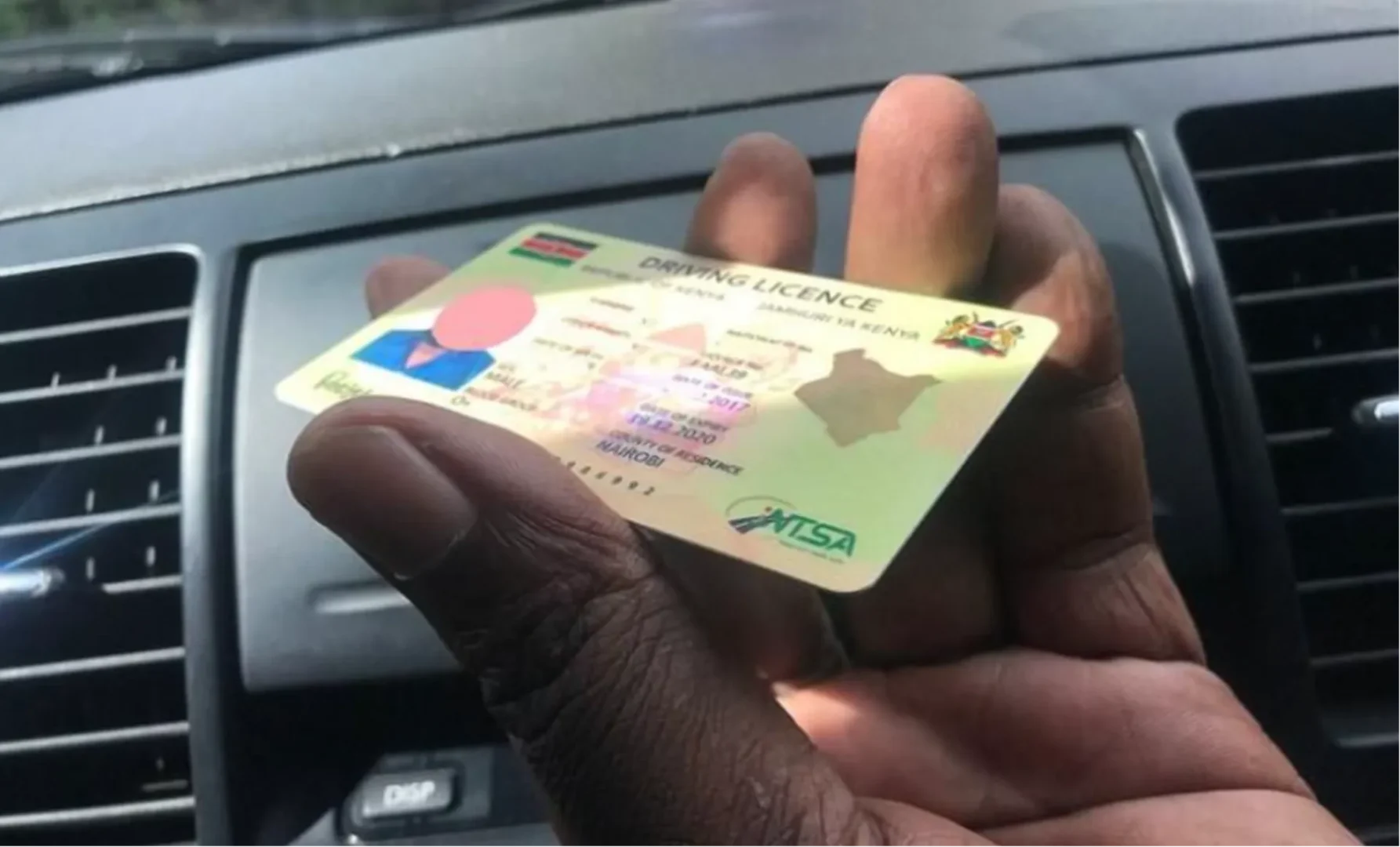
NAIROBI, Kenya — Hundreds of thousands of Kenyan motorists face the risk of losing their driving privileges as the National Transport and Safety Authority (NTSA) prepares to suspend at least 300,000 driving licences over unresolved traffic violations.
The planned enforcement exercise, announced ahead of the December festive season, targets individual drivers who have accumulated instant traffic fines but have neither paid the penalties nor formally challenged the offences.
The crackdown could affect private motorists, Public Service Vehicle (PSV) drivers and commercial transport operators, placing additional pressure on people whose livelihoods depend on driving.
NTSA says the measures are part of a wider effort to address reckless driving, speeding and other traffic offences as millions of Kenyans prepare to travel during the Christmas and New Year holidays.
The authority’s Director-General announced the planned suspensions on November 26 during the launch of the Msimu Bila Ajali road safety campaign at Mlolongo Weighbridge in Machakos County.
NTSA reports 1.7 million traffic violations in one month
The scale of the planned crackdown comes against the backdrop of a significant number of traffic violations recorded by the authority.
NTSA reported more than 1.7 million driver- and vehicle-related violations within 30 days, with approximately 740,000 linked to speeding.
The authority has also indicated that about 15,000 driving licences had already been suspended during the preceding month, with further enforcement expected.
Speeding has emerged as a major concern for road safety officials, particularly as increased travel during the festive season places additional pressure on major highways.
The authority has warned that drivers who receive instant traffic penalties cannot simply ignore them. Those who neither settle the fines nor formally contest them risk administrative action against their driving licences.
The planned exercise specifically concerns individual driving licences, rather than vehicle registration documents or PSV Sacco operating licences.
Motorists can challenge NTSA fines online
The impending suspensions have raised concerns among motorists who may believe that some traffic penalties were wrongly issued or that their vehicle details were incorrectly recorded.
In response, the Transport Licensing Appeals Board has reminded drivers that they have the right to challenge administrative decisions made by NTSA, including speeding penalties and fines.
The Board confirmed on November 27 that motorists can initiate appeals online through the Judiciary’s electronic filing system, avoiding the need to travel to its offices to begin the process.
Drivers seeking to challenge a penalty can access the Judiciary e-filing portal at https://efiling.court.go.ke, sign in or create an account, navigate to the tribunals section and select the Transport Tribunal.
Applicants should identify the NTSA decision being challenged and provide supporting documents, including the disputed penalty notice, driving licence and a memorandum explaining the grounds of appeal.
Motorists should retain copies of their submissions and any acknowledgement received.
However, lodging an appeal should not be mistaken for automatic cancellation of a fine or reinstatement of a suspended licence. Drivers should obtain confirmation from the relevant authorities before resuming driving.
How motorists can check their driving licence status
NTSA has not published a public list identifying all motorists targeted in the planned suspension exercise.
Drivers are therefore being encouraged to check their individual records through the authority’s official service portal.
Motorists can use the NTSA service portal at https://serviceportal.ntsa.go.ke/ and log in using their eCitizen credentials to review available licensing information and outstanding traffic penalties.
Those who identify legitimate outstanding fines should follow the official payment instructions. Anyone disputing an offence should seek clarification and use the established appeal channels rather than ignore the notification.
The warning is particularly important because motorists have also reported concerns about fraudulent traffic fine notifications.
Drivers should verify any alleged offence through official government platforms before making payments and avoid sending money to individuals claiming they can clear penalties.
25,000 vehicles also face enforcement over speed limiters
The licence suspension programme is part of a broader crackdown that also targets vehicles suspected of operating with tampered speed-limiting devices.
NTSA has identified approximately 25,000 vehicles whose inspection status could be suspended following investigations into cases where vehicles fitted with speed limiters were still recording excessive speeds.
Also Read: Kenya to roll out smart driving licences with instant fines system
The authority says it intends to intensify audits of speed limiters and inspection records to identify non-compliant vehicles.
Traffic officers are also expected to use a technology-based enforcement application that provides real-time access to motorists’ licensing information, vehicle records, inspection status and previous violations.
The system is intended to make roadside enforcement more comprehensive and reduce opportunities for drivers to evade accountability.
December travel puts road safety under scrutiny
The crackdown comes at a critical time for Kenya’s road transport sector.
December traditionally brings increased movement as families travel to their rural homes, tourists visit different destinations and businesses transport goods across the country.
The resulting traffic congestion, long-distance journeys and pressure on commercial transport services can increase the risks associated with reckless driving.
NTSA’s campaign therefore seeks to reinforce compliance before the busiest travel period begins.
But the scale of the proposed suspensions also raises important questions about how motorists will be notified, how disputed penalties will be handled and whether drivers will receive clear guidance on the steps required to restore their licences.
For drivers who depend on their vehicles to earn an income, a suspended licence could have consequences extending beyond the immediate penalty.
As enforcement intensifies, motorists face a clear choice: establish whether they have outstanding violations, resolve legitimate penalties or formally challenge decisions they believe are incorrect.
The effectiveness of the exercise, however, will ultimately depend not only on the number of licences suspended but also on whether enforcement is transparent, fair and capable of improving safety on Kenyan roads.
