


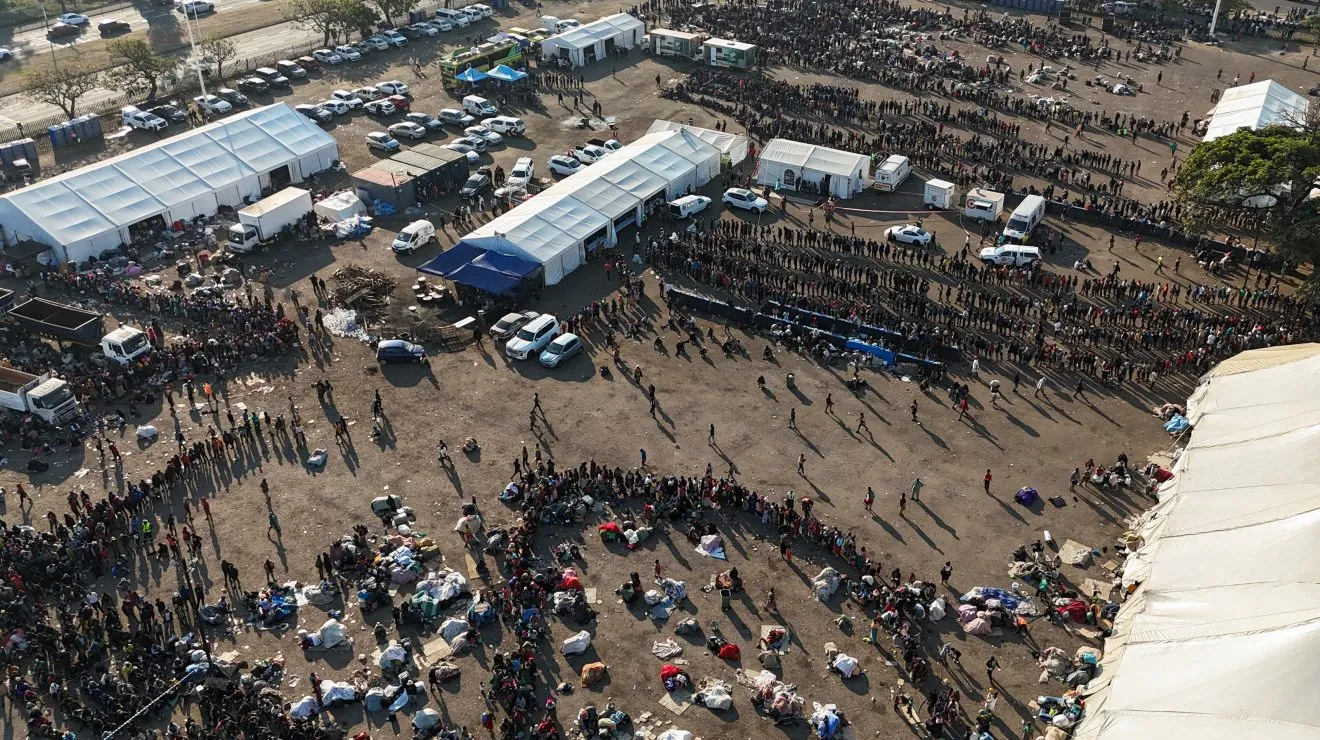
NAIROBI, Kenya — At least 151 Kenyans had returned home from South Africa by July 2, 2026, under an emergency government repatriation programme launched in response to escalating anti-immigrant tensions.
While the evacuation has enabled affected citizens to escape potential violence, many have returned with little more than the belongings they could carry, leaving behind homes, businesses and years of investment.
For some, the challenges are only beginning.
Many of the returnees are now facing the prospect of being unable to return to South Africa for up to five years, a restriction that could significantly affect livelihoods built over many years in the country.
The repatriation exercise followed growing anxiety among foreign nationals after anti-immigrant groups intensified pressure on undocumented migrants to leave South Africa.
More than 200 Kenyans reportedly appealed for government assistance as fears mounted ahead of a June 30 deadline announced by groups calling for the removal of undocumented foreigners.
The demonstrations formed part of a broader wave of anti-migrant protests that have spread across several South African provinces in recent weeks.
Many of those returning to Kenya say they have lost businesses, jobs and personal property during the unrest.
Some abandoned shops and rental homes amid fears of attacks, while others left behind investments accumulated over many years.
The return has left many families facing uncertainty as they attempt to rebuild their lives in Kenya.
Also Read: South Africa’s xenophobia crisis: Why anti-migrant violence keeps returning
For those who depended on businesses or employment in South Africa, the prospect of being unable to re-enter the country for several years presents an additional setback.
Kenya is among several African countries that have organised evacuation and repatriation programmes in response to the deteriorating situation in South Africa.
Governments across the region have been assisting citizens seeking to leave amid concerns over rising hostility toward foreign nationals.
The unrest has renewed debate over migration, unemployment and xenophobia in South Africa, where anti-immigrant violence has periodically erupted over the past two decades.
As more evacuation flights and return arrangements continue, attention is increasingly shifting to the long-term welfare of those returning home.
For many of the Kenyan returnees, the immediate danger may have passed, but questions remain over how they will rebuild their livelihoods and whether they will ever recover the businesses and opportunities they left behind.
