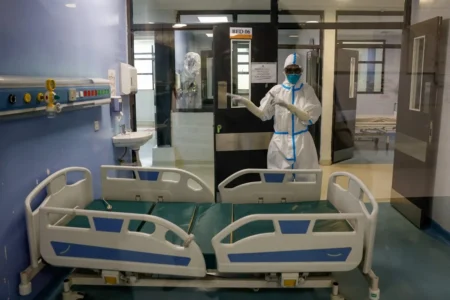





LUSAKA, Zambia — Zambia has confirmed that two suspected Ebola cases have tested negative, even as authorities intensify screening and surveillance measures following an outbreak in neighbouring Democratic Republic of Congo (DRC).
The Zambian Ministry of Health said on Friday that the two suspected cases were investigated and cleared through laboratory testing, easing immediate public health concerns but reinforcing the need for continued vigilance.
The development comes as Congolese health authorities report a sharp rise in suspected cases linked to the rare Bundibugyo strain of Ebola, with total cases reportedly exceeding 1,000 across affected regions. Uganda has also recorded related infections amid ongoing regional transmission risks.
In a statement, the Zambian government said it continues to maintain a high alert status due to the risk of cross-border spread.
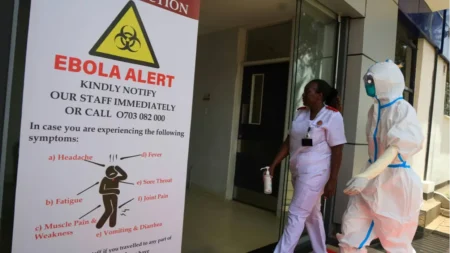
“Zambia has developed screening tools and protocols, which are already being used to screen for Ebola at entry points into Zambia and on people within the country who have Ebola-like symptoms,” the ministry said.
Regional concern over cross-border transmission
Health authorities across the region have stepped up surveillance, particularly at border points, as movement between affected countries remains high due to trade and travel.
The Bundibugyo strain, first identified nearly two decades ago in western Uganda, has raised concern among health experts due to its ability to spread in densely populated areas and the challenges associated with tracing contacts in remote or insecure regions.
Also Read: Can Africa stop Ebola before it becomes another global crisis?
Unlike some other Ebola strains, there is currently no widely approved vaccine for the Bundibugyo variant, making early detection, isolation, and supportive care critical to containing outbreaks.
Symptoms and public health warning
According to the World Health Organization, Ebola typically begins with sudden flu-like symptoms, including fever, fatigue, muscle pain, headache, and sore throat. The disease can progress rapidly to vomiting, diarrhoea, and in severe cases, internal and external bleeding, as well as multi-organ failure.
Health experts continue to urge the public across affected regions to seek immediate medical attention if symptoms appear and to avoid physical contact with suspected cases.
Authorities in Zambia say surveillance efforts will remain heightened as the regional outbreak evolves, with health teams maintaining screening protocols at all major points of entry.
The broader East and Central African region remains on alert as governments coordinate response efforts to prevent further cross-border transmission.