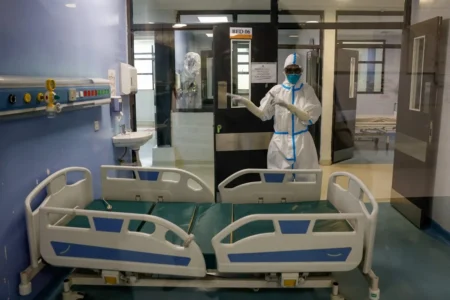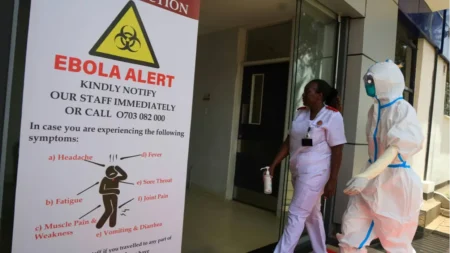
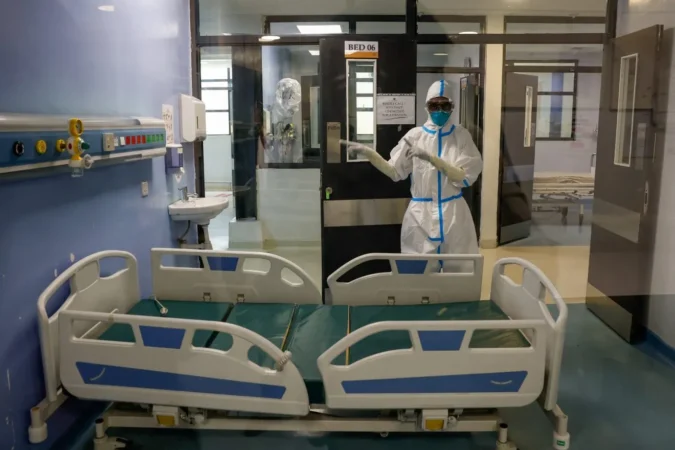


NAIROBI, Kenya — Kenya has approved a request from the United States to establish a quarantine facility in the country for American citizens exposed to Ebola, according to two US officials cited by Reuters, as international efforts to contain the outbreak of the rare virus intensify across Central and East Africa.
The development comes as the World Health Organization (WHO) Director-General Tedros Adhanom Ghebreyesus travels to the Democratic Republic of Congo (DRC), the epicentre of the outbreak, amid mounting concern over the speed at which the virus is spreading.
Health authorities in the DRC and neighbouring countries are racing to contain the latest Ebola outbreak caused by the rare Bundibugyo strain, for which there is currently no licensed vaccine or specific treatment. WHO has classified the situation as a Public Health Emergency of International Concern, warning that the outbreak is among the most serious in recent years.
Tedros said in a post on X ahead of his trip that despite repeated outbreaks, containment remains possible with coordinated action.
“16 times, this country has defeated Ebola. The 17th will be no different. But we must act now, together,” he said.
He is expected to arrive in Kinshasa before travelling to Ituri province in eastern DRC, where the first cases were reported and transmission is believed to be ongoing.
Rising international containment measures
Countries around the world have begun rolling out stricter travel and containment measures in response to fears of cross-border transmission.
The United States has adopted some of the most restrictive policies, including temporary entry bans for non-citizens who have travelled to the DRC, Uganda or South Sudan within the past 21 days. US officials say the aim is to prevent any imported cases while domestic preparedness systems are strengthened.
The planned quarantine facility in Kenya is expected to be staffed by members of the US Public Health Service Commissioned Corps, a uniformed branch under the Department of Health and Human Services. However, it remains unclear whether the facility will be restricted to US citizens or expanded to other nationalities, as Kenyan authorities had reportedly pushed for broader access.
The decision has triggered public debate in Kenya, with some questioning the implications of hosting a foreign-run isolation facility during an active regional outbreak.
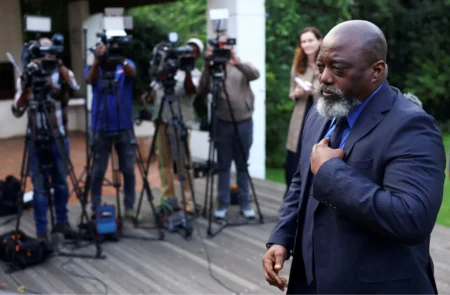
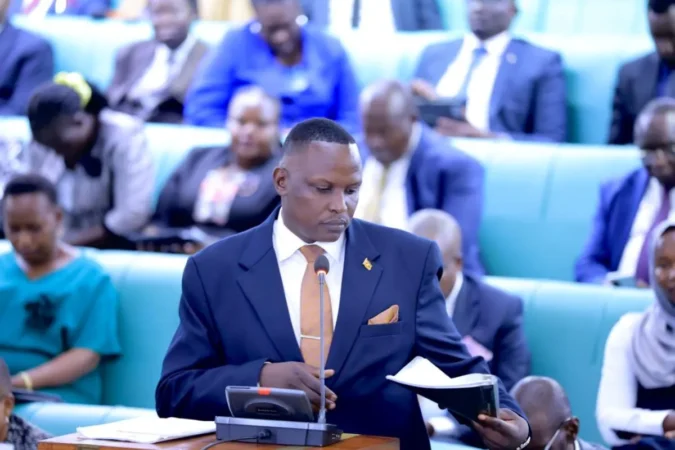
“Kenya is a sovereign republic, not a geopolitical isolation ward,” said Davji Bhimji Atellah, Secretary General of Kenya’s medical union, in a post on X.
The Katiba Institute, a Kenyan legal advocacy organisation, has also filed a legal challenge against the US request, arguing that the arrangement raises constitutional and public health governance concerns.
Debate over global response strategy
Some health experts have warned that strict repatriation and quarantine arrangements could discourage international volunteers from joining outbreak response efforts in high-risk regions.
“We need a cavalry to help support the on-the-ground response if we have any hope of ending this outbreak. But programs and policies like this are exactly the reasons people will hesitate to sign up,” said Dr Craig Spencer, a US physician who survived Ebola infection during the 2014–2016 West Africa outbreak.
Cases continue to rise as testing expands
According to the latest WHO figures, there have been 1,077 suspected Ebola cases, including 121 confirmed infections and 17 confirmed deaths, with 246 suspected fatalities recorded. Health experts caution that the real figures may be significantly higher due to underreporting and delayed surveillance in remote areas.
WHO has said it is scaling up laboratory testing in collaboration with national research institutions in the DRC to improve detection and tracking of new cases.
Jean Kaseya, Director-General of the Africa Centres for Disease Control and Prevention (Africa CDC), warned that global funding commitments for Ebola response efforts have fallen short of initial pledges.
Also Read: Can Africa stop Ebola before it becomes another global crisis?
He said that of the $500 million initially pledged, only about $290 million had materialised, raising concerns about financing gaps in the containment strategy.
“How can we come and say we commit x million dollars, and the next day they are calling me to say no, it was a mistake,” Kaseya said, while also criticising international travel restrictions imposed on African states.
Operational challenges on the ground
Despite increased mobilisation, humanitarian operations in eastern DRC continue to face logistical and security challenges.
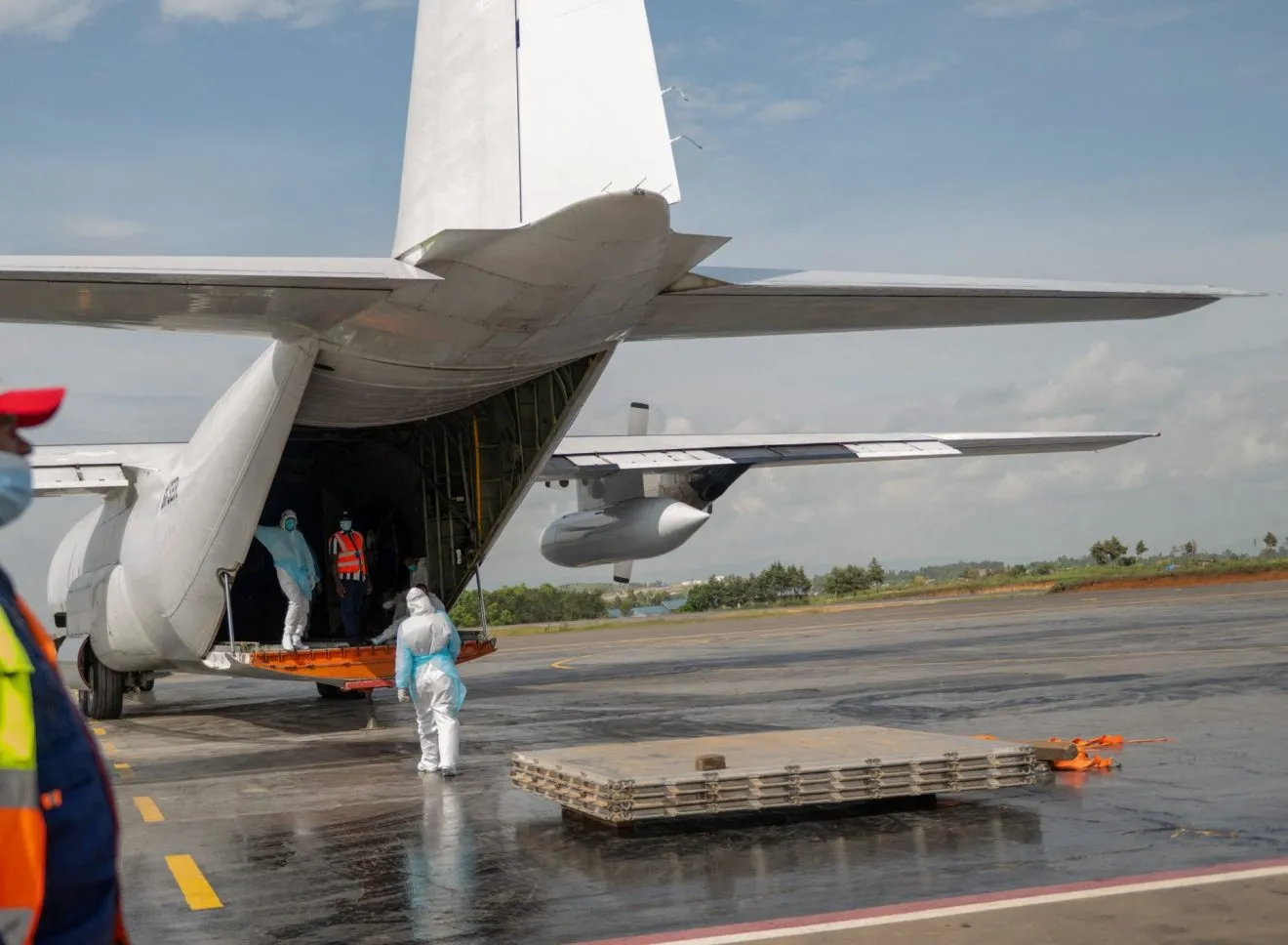
The United Nations peacekeeping mission in Congo (MONUSCO) said it had delivered nearly five tonnes of medical supplies to Ituri province as part of ongoing support efforts.
However, humanitarian officials report that flight restrictions into Bunia, the provincial capital of Ituri, are delaying the movement of medical personnel and essential supplies.
Armed conflict in eastern Congo, including areas affected by Rwanda-backed M23 rebels, continues to complicate access to affected communities. Health workers are also contending with community resistance, misinformation, and attacks on medical facilities driven in part by denial of the disease.
Authorities say these combined challenges are slowing containment efforts at a critical stage of the outbreak response.