


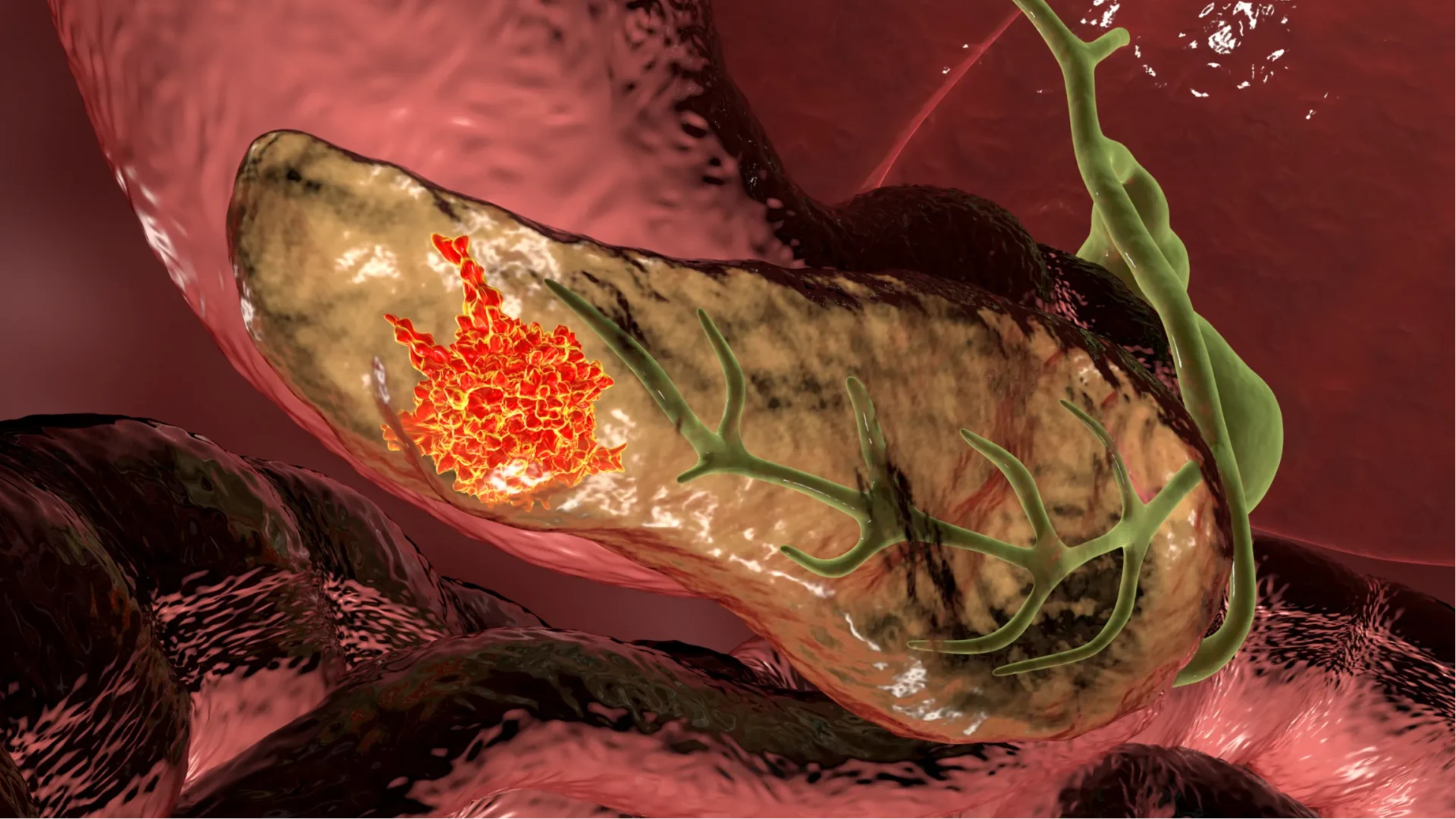
ROCHESTER, United States — A newly developed Artificial Intelligence (AI) system from the Mayo Clinic, a US-based non-profit medical institution, could significantly change how pancreatic cancer is detected, with researchers reporting that it can identify signs of the disease up to three years before a conventional diagnosis.
Pancreatic cancer develops when abnormal cells form in the pancreas—an organ located behind the stomach that plays a key role in digestion and blood sugar regulation. Because it often grows silently in its early stages, it is widely regarded as one of the most difficult cancers to detect and treat.
In most cases, the disease is diagnosed only after it has spread to other parts of the body. This late detection contributes to its high mortality rate, with more than 85% of cases currently identified at an advanced stage when treatment options are limited.
When symptoms do appear, they can include persistent abdominal or back pain, unexplained weight loss, fatigue, and loss of appetite. In some cases, patients may develop jaundice, causing yellowing of the skin and eyes, dark urine, and pale stools. Other symptoms may include digestive changes, nausea, itchy skin, or sudden-onset diabetes.
The AI model, known as REDMOD, analyses routine abdominal CT scans that patients typically undergo for unrelated medical reasons. It is designed to detect extremely subtle structural changes in the pancreas that are often invisible to the human eye.
In research published in Gut, scientists examined nearly 2,000 CT scans, including images from patients who were later confirmed to have pancreatic cancer but had initially been cleared in standard radiology reports.
The model correctly identified about 73% of these previously missed cases, in some instances detecting warning signs as early as 16 months before diagnosis, and in rare cases, up to three years earlier.
“Pancreatic cancer has remained one of the most difficult cancers to detect early, largely because symptoms appear late,” said one of the study’s senior researchers, noting that early identification remains the greatest challenge in improving survival rates.
“This tool gives us a chance to see what we have been missing all along,” another researcher involved in the study added.
Medical experts say such advances could be significant, given that early-stage detection dramatically improves treatment outcomes.
One of the key advantages of the AI model is that it works using existing medical imaging. Since CT scans are already widely used in hospitals, the system could be integrated into routine diagnostics without requiring additional procedures.
Researchers say this makes the tool particularly useful for high-risk groups, including patients recently diagnosed with diabetes, a known potential early indicator of pancreatic cancer.
Also Read: This startup raised $5.2 million to develop blood tests for cancer
According to global cancer treatment guidelines, including those referenced by the World Health Organisation, treatment outcomes for pancreatic cancer depend heavily on the stage at diagnosis.
In early stages, surgery may be used to remove part or all of the pancreas, offering the best chance of survival. Chemotherapy is commonly used before or after surgery to shrink tumours or reduce recurrence risk, and remains the primary treatment for advanced cases.
Radiotherapy may also be used alongside chemotherapy to slow tumour growth. In some cases, targeted therapies and immunotherapy are applied based on genetic profiling of the cancer.
Where the disease is advanced and incurable, treatment shifts to palliative care, focusing on pain management, symptom relief, and improving quality of life.
While the REDMOD system shows strong early promise, researchers caution that further validation is required before it can be widely deployed in clinical settings.
Ongoing studies are now exploring how the AI tool can be safely integrated into hospital workflows to support earlier diagnosis and improve survival outcomes for patients at risk of pancreatic cancer.
