


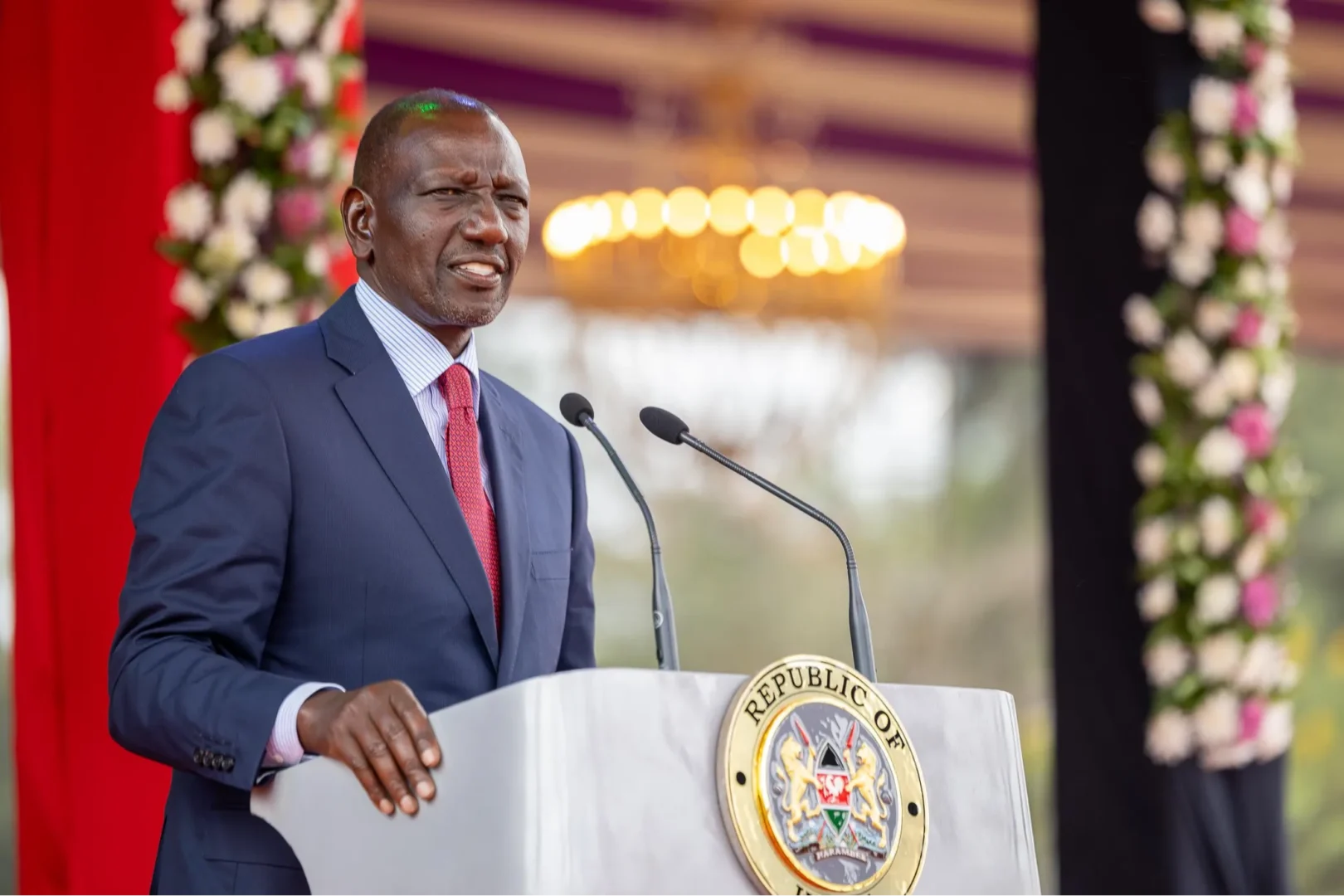
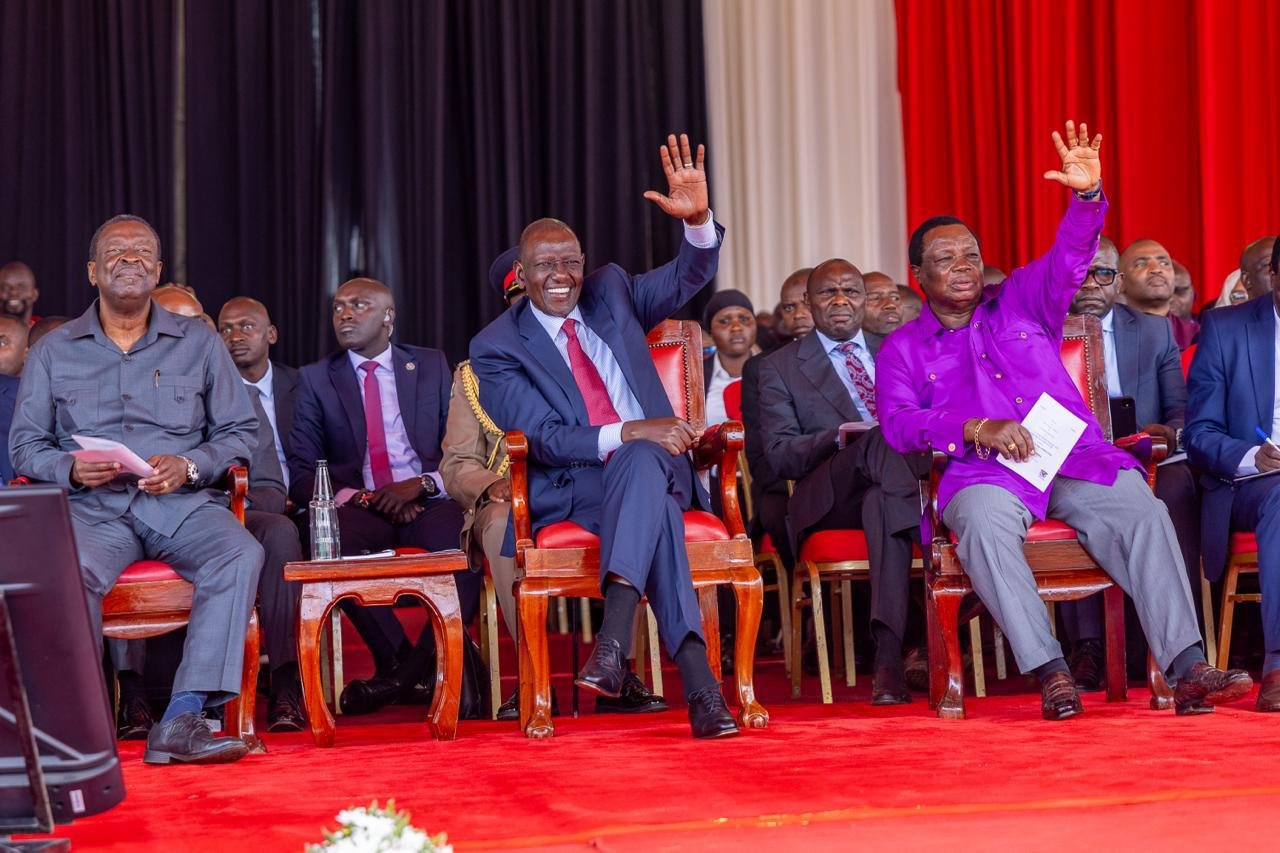
VIHIGA, Kenya — President William Ruto has announced a nationwide wage increase, unveiling a 12 per cent rise in general wages and a 15 per cent adjustment for agricultural workers during Labour Day celebrations in Vihiga County.
The announcement positions the government as taking a more interventionist approach to wage policy at a time of sustained economic pressure on households, including high living costs, food inflation, and constrained disposable incomes.
“I am pleased to announce a 12% increase in general wages and a 15% increase in agricultural wages to all Kenyan workers. Happy Labour Day and may we continue building this nation together for this and future generations as we strive to transform Kenya into a developed economy within our lifetime,” said President Ruto.
The wage adjustment marks one of the most significant increments in recent years and is likely to have wide-ranging implications across sectors, particularly for employers grappling with rising operational costs.
The move comes against a backdrop of persistent inflationary pressures and ongoing debates around income inequality and worker welfare in Kenya. Data from the Kenya National Bureau of Statistics has consistently shown that wage growth has lagged behind the cost of living for many households, intensifying calls for intervention.
In addition to the wage increase, the President outlined a new healthcare initiative targeting public servants.
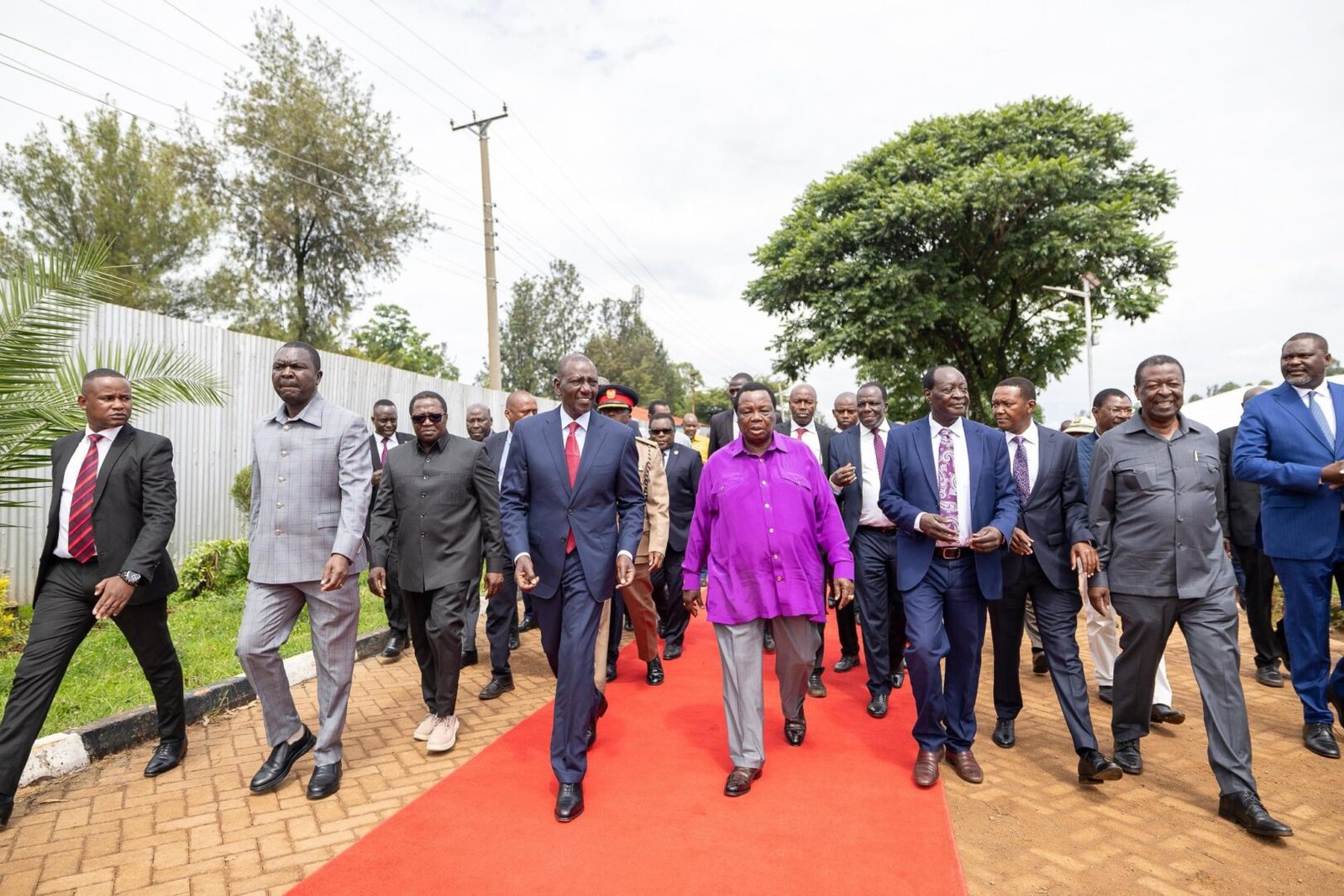
“The government has initiated an agreement that will ensure a zero co-payment, walk-in-walk-out experience for all teachers and public officers,” he added.
The proposal signals a shift toward reducing out-of-pocket healthcare expenses for state employees, a key concern in Kenya’s broader push toward universal health coverage.
However, the announcement places the government on a collision course with the Federation of Kenya Employers (FKE), which had earlier cautioned against steep wage adjustments.
The federation had recommended capping any increase at no more than five per cent, warning that a higher figure could strain businesses already dealing with global economic headwinds, currency volatility, and elevated input costs.
FKE argued that a substantial wage rise could increase the cost of doing business, potentially leading to reduced hiring, slowed investment, or price adjustments passed on to consumers.
The organisation also called for complementary measures, including targeted tax relief for low-income earners and structural reforms aimed at improving the business environment, particularly for small and medium-sized enterprises.
Economists say the wage increase reflects a delicate policy balancing act between stimulating domestic demand and maintaining business competitiveness.
Higher wages could boost household spending and support economic activity, especially in rural areas where agricultural income plays a critical role. However, analysts warn of potential inflationary spillovers if businesses transfer increased labour costs to consumers.
Also Read: Kenya police, prison and NYS officers receive major salary increase
The agricultural wage adjustment, in particular, is expected to benefit a large segment of Kenya’s workforce, given that the sector remains a major employer and a cornerstone of the national economy.
The Labour Day announcement also carries political weight, coming as the government faces growing scrutiny over taxation, public debt, and the rising cost of living.
By positioning the wage increase alongside expanded healthcare benefits, the administration appears to be reinforcing its pro-worker narrative while attempting to ease economic pressures on households.
Whether the policy delivers sustained relief or triggers unintended economic consequences will depend on its implementation and the broader macroeconomic environment in the months ahead.
