


NAIROBI, Kenya — President William Ruto has announced plans to make the original remains of Turkana Boy, one of the world’s most significant archaeological discoveries, accessible to the public through a new exhibition space at Uhuru Park in Nairobi.
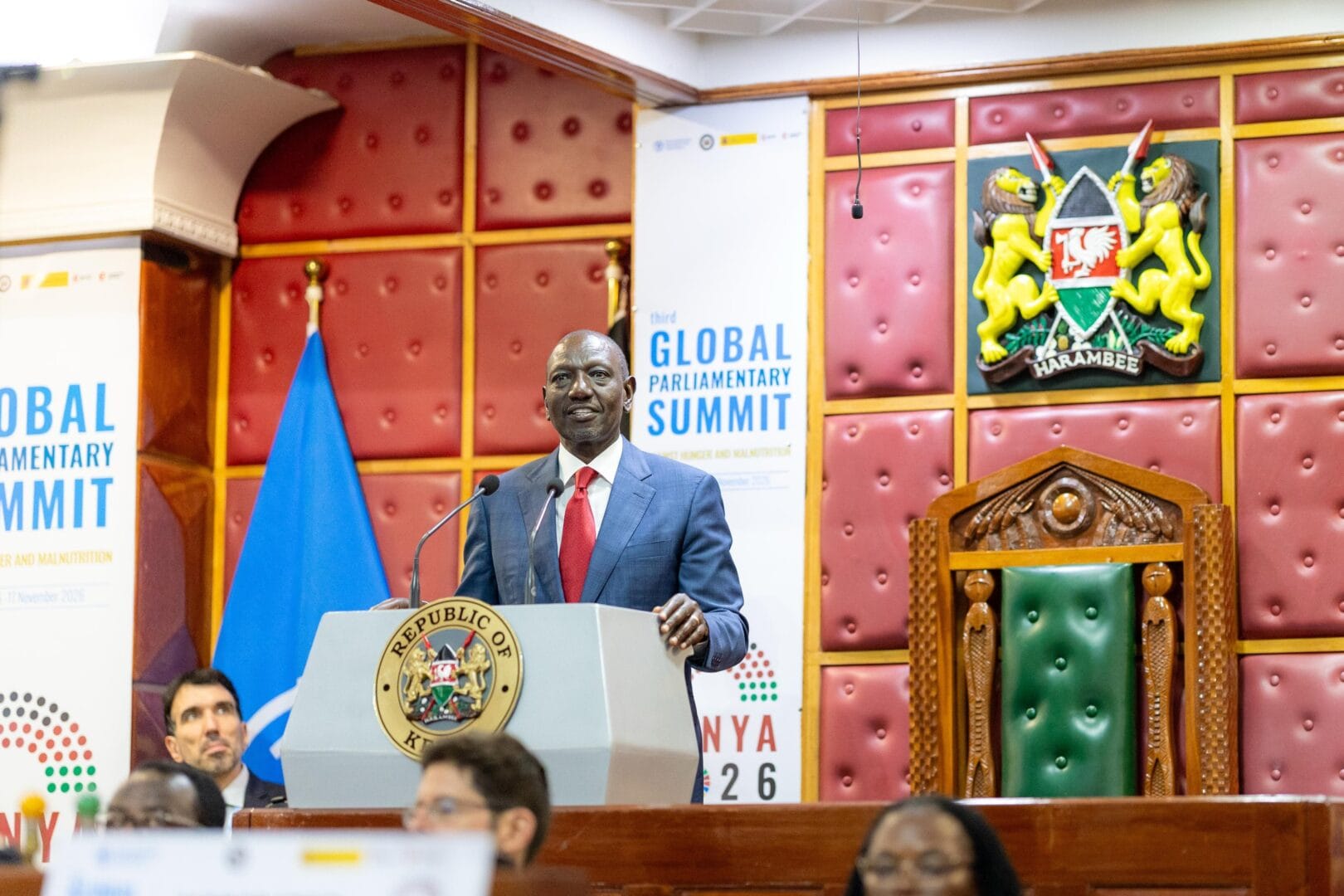
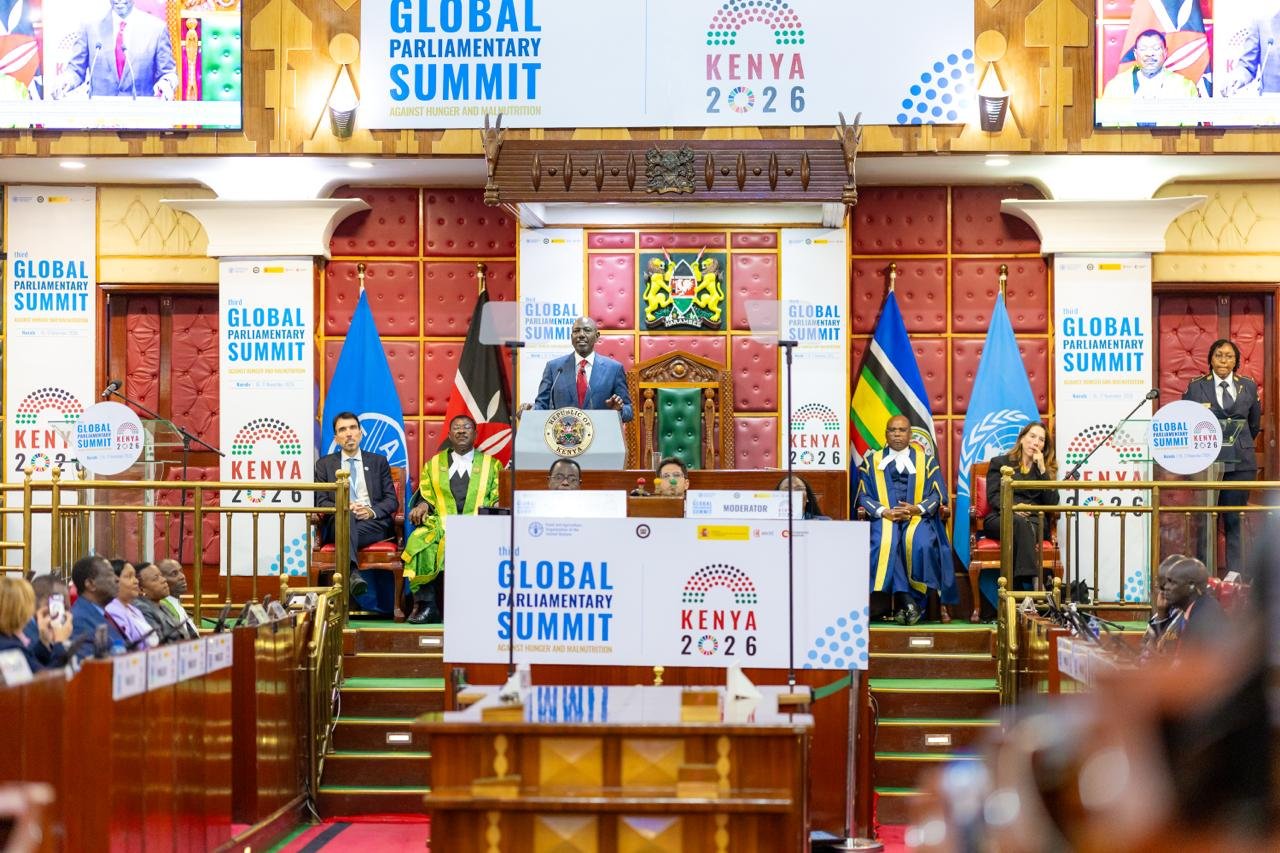
Speaking on Monday, November 16, 2026, during the Third Global Parliamentary Summit Against Hunger and Malnutrition at Parliament Buildings in Nairobi, Ruto told international delegates that the government was preparing to move the fossilised remains from their current secure storage at the National Museums of Kenya (NMK).
The President said the original skeleton was being preserved in a secure vault at the museum but would soon be made available for public viewing as part of efforts to increase access to Kenya’s archaeological heritage.
“Just for your information, we will shortly make the remains of Turkana Boy available for public viewing. At the moment, they are kept in a secure vault at the National Museums of Kenya, but we plan to make them accessible to visitors,” Ruto said.
He indicated that the proposed exhibition would be established at Uhuru Park, although it might not be ready before the visiting delegates concluded their current trip to Kenya.
“It may not be ready by the time you leave this visit, but the next time you come, you will find Turkana Boy, recognised by science as the remains of one of the earliest human ancestors, displayed at Uhuru Park. We will bring him there so that you can see where we all came from,” he added.
What is Turkana Boy?
Turkana Boy is the fossilised skeleton of a young Homo erectus individual discovered in 1984 near Lake Turkana in northern Kenya.
The discovery was made by Kamoya Kimeu, one of Kenya’s most celebrated fossil hunters, who was working with a research team led by renowned palaeoanthropologist Richard Leakey.
The fossil is particularly significant because it represents the most complete Homo erectus skeleton ever discovered, providing scientists with important evidence about the anatomy, growth and physical development of early human ancestors.
Scientific estimates place the individual’s age at death between eight and 12 years, approximately 1.6 million years ago.
The discovery offered researchers an exceptional opportunity to study the body structure of an early human relative, including its height, proportions and skeletal development.
Why the discovery matters
Turkana Boy remains one of the most important contributions to the scientific understanding of human evolution.
The Lake Turkana region has yielded numerous fossils that have helped researchers investigate the origins and development of early human species.
Also Read: New dinosaur species discovered in Zimbabwe
Kenya’s archaeological and palaeontological record has consequently played a significant role in shaping scientific understanding of humanity’s evolutionary history.
Ruto used his address to emphasise Kenya’s importance in the study of human origins, describing the country as the birthplace of humanity and highlighting the significance of making its historical discoveries accessible to international visitors.
Currently, the original Turkana Boy skeleton is kept in secure storage at the National Museums of Kenya, while a replica is available for public viewing.
The proposed relocation to Uhuru Park would therefore offer visitors an opportunity to see the original fossil rather than the replica, potentially bringing one of the world’s most celebrated prehistoric discoveries closer to the public.
However, the government has yet to provide detailed information on the exhibition’s opening date, conservation arrangements and the measures that will be put in place to protect the exceptionally valuable remains.
