


KAMPALA, Uganda — Uganda’s decision to resist broad fuel subsidies and avoid artificially defending the shilling is exposing a difficult economic trade-off: preserving financial stability may protect the country against future shocks, but households and businesses are already paying the price through rising fuel costs, expensive imports and shrinking purchasing power.
The government says it will first establish the causes and likely duration of the currency pressure before considering additional interventions, signalling a preference for targeted assistance over measures that could strain public finances or deplete foreign-exchange reserves.
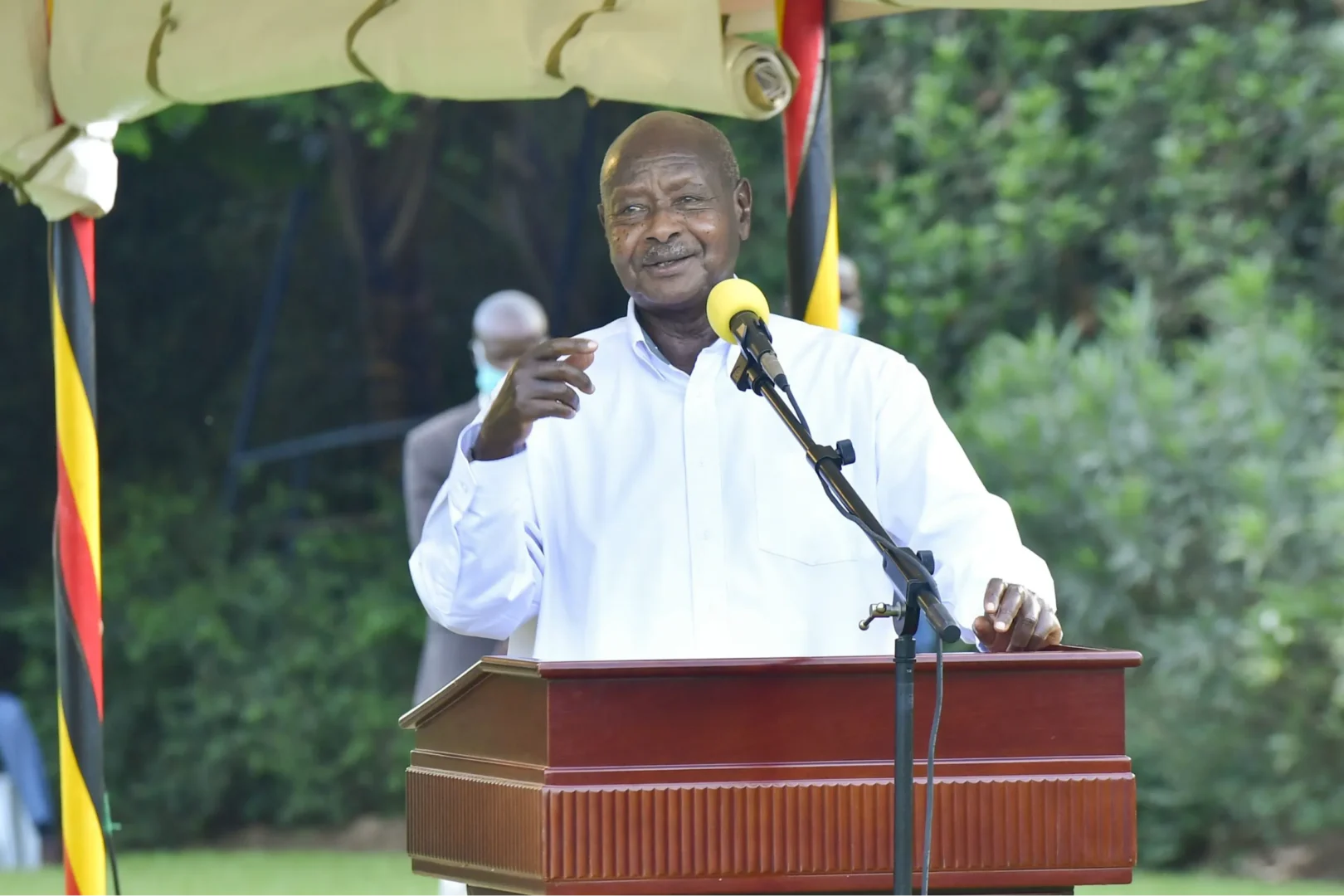
Amos Lugoloobi, the Minister of State for Finance, Planning and Economic Development (Planning), who is currently handling the finance minister’s portfolio, outlined the approach in Parliament on October 13.
His position reflects a central challenge facing Uganda’s economic policymakers: how to respond to a deteriorating exchange rate and rising energy costs without creating new fiscal pressures that could undermine economic stability.
But the consequences of waiting are becoming increasingly visible. Petrol prices have risen from approximately Shs4,000 per litre in September to around Shs7,000, while the dollar has climbed from about Shs3,700 to approximately Shs4,000, increasing the cost of imported goods and production inputs.
The government’s strategy may preserve room to respond to future shocks. Its success, however, will depend on whether policymakers can contain the immediate economic pain, support vulnerable households and address the underlying weaknesses that leave Uganda exposed to foreign-exchange shortages.
Why the government is resisting fuel subsidies
Fuel subsidies are politically attractive because they can reduce the price consumers pay at the pump, at least temporarily. Lower fuel costs can also moderate transport fares, distribution expenses and the prices of goods that depend heavily on road transport.
However, a government subsidy does not eliminate the underlying cost of importing petroleum. It transfers some of that cost from consumers to the public budget.
Depending on how the subsidy is designed, the government may have to compensate fuel suppliers, reduce taxes or absorb the difference between the import cost and the regulated retail price. Each option has fiscal consequences.
A broad subsidy can also benefit higher-income motorists and businesses that consume more fuel, rather than directing the largest share of public support towards households most affected by rising living costs.
For Uganda, where public resources must also finance healthcare, education, infrastructure and other essential services, a prolonged subsidy could leave less money available for competing priorities.
The concern is particularly important when fuel prices are rising alongside currency depreciation. A weaker shilling makes dollar-priced petroleum more expensive to import, increasing the amount the government would need to spend to maintain artificially low domestic prices.
The government is therefore betting that allowing prices to reflect market conditions, while protecting vulnerable households through targeted measures, will prove more sustainable than subsidising fuel across the economy.
That argument has economic merit. But it does not resolve the immediate hardship facing consumers who have little capacity to absorb further increases in transport, food and other essential expenses.
The cost of a weaker shilling reaches beyond fuel
The exchange rate is not an abstract financial indicator. It affects the prices Ugandans pay for goods and services throughout the economy.
When the shilling depreciates against the dollar, importers generally need more local currency to purchase the same quantity of foreign goods, assuming dollar prices remain unchanged.
The effects extend to petroleum, machinery, pharmaceuticals, industrial raw materials, fertilisers and other products sourced from abroad.
Manufacturers face higher costs when imported inputs become more expensive. Traders must spend more to replenish stock, while transport operators pay more for fuel and vehicle parts.
Businesses may initially absorb some of the additional costs through lower profit margins. Over time, however, many will attempt to pass at least part of the increase on to consumers.
That creates a chain reaction: more expensive fuel raises transport costs, higher logistics expenses increase the price of goods, and households find that their incomes purchase less than before.
The impact is particularly severe for low-income families, who spend a substantial share of their budgets on necessities and have limited room to reduce consumption without sacrificing basic needs.
Small businesses are also vulnerable because they often have limited access to affordable credit and fewer opportunities to negotiate lower prices with suppliers.
Parliament has already raised concerns about the effect of the weakening shilling and rising fuel prices on the cost of doing business and the wider cost of living.
The challenge for policymakers is that currency depreciation can affect inflation even when domestic demand is not particularly strong. Imported inflation can reduce purchasing power without a corresponding increase in household incomes.
Why defending the shilling could create another problem
The government’s reluctance to support the shilling artificially reflects the limits of using foreign-exchange interventions to maintain a currency level that market conditions may not support.
The Bank of Uganda can sell dollars from its reserves to increase foreign-currency supply and ease short-term pressure on the shilling. Such interventions can help smooth excessive volatility and address temporary market disruptions.
But maintaining a particular exchange rate against persistent demand for dollars can become expensive.
Uganda requires foreign currency to pay for imports, service external obligations and facilitate other international transactions. If the central bank repeatedly sells dollars to resist sustained depreciation, its reserves can decline.
The intervention may also create expectations that the central bank will continue defending the currency, potentially encouraging market participants to delay transactions or speculate on future policy changes.
This does not mean the central bank should remain passive when markets become disorderly. There is an important distinction between managing excessive volatility and attempting to maintain an exchange rate that is inconsistent with underlying economic conditions.
The Bank of Uganda has indicated that it does not target a particular exchange-rate level but may intervene to smooth volatility.
That approach allows the shilling to adjust while preserving the central bank’s ability to address destabilising market conditions.
However, a flexible exchange rate is not cost-free. If depreciation persists, its effects can spread through import prices, inflation expectations and business costs.
The policy challenge is to allow necessary economic adjustment without permitting disorderly conditions to undermine confidence.
Stronger reserves provide protection, but not unlimited protection
Uganda’s foreign-exchange reserves offer an important buffer against external shocks.
Reuters reported on October 13 that the country’s reserves had risen to approximately $6.7 billion in the year to June 2026, up from $4.3 billion in the previous year. The Bank of Uganda said the reserves were equivalent to about 3.7 months of future import cover, still below its four-month target.
The increase strengthens Uganda’s capacity to meet external obligations and manage periods of foreign-exchange pressure.
But reserves are not an unlimited source of money for stabilising the currency or financing domestic consumption.
Using them extensively to defend the shilling or support broad fuel subsidies could weaken the protection available if global oil prices rise further, export receipts fall or external financing conditions deteriorate.
There is also an opportunity cost. Foreign currency used to maintain an unsustainable exchange rate cannot simultaneously be preserved to meet future import requirements.
Nevertheless, the existence of reserves does not mean interventions are automatically inappropriate. The relevant question is whether a proposed intervention is temporary, targeted and likely to achieve its stated objective at a reasonable cost.
Uganda’s policy should therefore avoid both extremes: indiscriminately spending reserves to resist depreciation and treating reserve preservation as a reason to reject every measure that could relieve severe economic hardship.
The Bank of Uganda faces a difficult balancing act
The government’s fiscal response is only one part of the adjustment. Monetary policy also influences inflation, exchange-rate expectations, credit conditions and economic activity.
The Bank of Uganda has maintained its Central Bank Rate at 9.75 per cent while tightening liquidity conditions through an increase in the cash reserve requirement from 11 per cent to 13.5 per cent, effective in September 2026. It has also used foreign-exchange swaps and other instruments to manage market liquidity.
The objective is to contain inflationary pressures and support orderly conditions in the financial system without abandoning a market-determined exchange rate.
However, tighter liquidity can have consequences for businesses and consumers. Banks may face higher funding costs or have less money available for lending, potentially making credit more expensive or harder to obtain.
For manufacturers, traders and small enterprises already struggling with higher import and transport costs, more expensive borrowing could further constrain working capital and investment.
The central bank must therefore assess the risks of inflation against the possibility that excessive tightening could weaken productive activity.
The distinction between fiscal and monetary policy is critical. The government decides how public spending and revenue respond to the shock, while the central bank manages monetary conditions and exchange-rate volatility within its mandate.
Neither institution can solve the problem alone. Effective coordination is necessary to avoid a situation in which fiscal measures intensify inflationary pressure while monetary tightening makes it harder for businesses to maintain production.
Targeted relief must be more than a promise
Lugoloobi has indicated that the government intends to prioritise adequate petroleum supplies, reduce avoidable costs and support vulnerable households through targeted interventions within approved budget allocations and subsequent budgets.
This is potentially a more efficient approach than subsidising every litre of fuel. But its effectiveness will depend on the design, scale and speed of implementation.
The government must identify who qualifies for support, what assistance will be provided, how beneficiaries will be reached and how the programme will be funded.
Potential measures include targeted assistance for vulnerable households, improved access to essential public transport, support for agricultural production and measures to reduce the cost of moving goods to markets.
Any intervention should be assessed against clear objectives and independently monitored outcomes. Assistance that arrives too late, fails to reach intended beneficiaries or is too small to offset the shock will offer little practical protection.
There is also a need to guard against political patronage, duplication and waste. Targeted programmes require reliable information, transparent eligibility criteria and effective oversight.
The government should publish the cost of the measures, the number of people expected to benefit and the indicators that will determine whether the intervention is working.
Targeting should not become a convenient justification for providing inadequate assistance. If the economic shock is broad enough to affect transport, food distribution and production, the response must recognise those indirect effects.
Remittances are helping, but they cannot replace economic reform
Uganda is also benefiting from foreign-exchange inflows generated by Ugandans working abroad.
The government says remittances rose by 31.6 per cent to $2.9 billion in the year ended June 2026. Such inflows provide foreign currency and support household spending, making them an important component of the country’s external finances.
But remittances are not a substitute for a diversified export base or stronger domestic production.
Their effect on the exchange rate depends on how the money enters the formal financial system, how recipients spend it and the extent to which the economy continues to require dollars for imports and other external payments.
A significant share of remittances may support household consumption, including the purchase of imported goods. While this spending provides essential support to families, it does not automatically generate the export earnings needed to sustain foreign-exchange availability over the long term.
The policy opportunity is to make it easier for remittance recipients and businesses to save, invest and finance productive activity, without undermining the role remittances play in supporting household welfare.
Oil exports offer an opportunity, not an immediate solution
The government is also counting on commercial oil production and exports, expected to begin in 2027, to generate additional foreign currency.
Oil revenues could strengthen the balance of payments, support public investment and increase the resources available for economic development.
However, the timing and scale of those benefits remain uncertain, and future revenues will depend on production levels, international prices, operating costs and the terms governing the sector.
Oil earnings also create their own policy challenges. A sudden increase in foreign-exchange inflows can place pressure on other parts of the economy if it leads to excessive spending, an unsustainable exchange rate or reduced competitiveness in non-oil industries.
Uganda will therefore need a transparent fiscal framework that manages petroleum revenues prudently, protects against price volatility and directs an appropriate share of the proceeds towards productive investment.
Investment in agriculture, tourism, mineral processing and manufacturing remains essential. These sectors can generate employment and foreign-exchange earnings while reducing the country’s vulnerability to fluctuations in a narrow range of commodities.
The government’s Tenfold Growth Strategy provides a framework for pursuing these objectives. Its effectiveness, however, will depend on implementation, productivity gains, access to finance, infrastructure and the ability of Ugandan businesses to compete in regional and international markets.
What the government must do next
Uganda’s response should begin with transparency. Authorities need to explain the main sources of currency pressure, distinguish temporary market disruptions from structural weaknesses and provide a realistic assessment of how long the current conditions could persist.
Second, the government should publish a targeted relief plan with a clear budget, defined beneficiaries and measurable outcomes. The plan should prioritise those least able to absorb higher fuel and transport costs while avoiding commitments that could become fiscally unsustainable.
Also Read: Museveni rejects forex reserves plan as Uganda fuel prices rise
Third, policymakers should improve transparency in the petroleum market. Parliament has called for a breakdown of fuel supply costs as motorists face prices approaching Shs7,000 per litre. Greater disclosure would help distinguish the effects of global prices, exchange-rate movements, taxes and distribution costs.
Fourth, the government and central bank should coordinate their responses while respecting their respective mandates. Currency intervention, monetary tightening and fiscal support must be assessed together for their effects on inflation, investment, credit and public finances.
Finally, Uganda must accelerate reforms that increase domestic production and foreign-exchange earnings. Stronger agricultural productivity, export-oriented manufacturing, tourism and mineral processing can reduce dependence on imported goods and make the economy more resilient to external shocks.
The real test is who bears the cost of stability
Uganda’s refusal to introduce broad fuel subsidies or artificially defend the shilling is not necessarily an economic mistake. Under sustained external pressure, such interventions can become expensive, distort market signals and weaken the country’s ability to respond to future shocks.
But preserving reserves and maintaining fiscal discipline are means to an end, not ends in themselves.
Economic stability must ultimately support livelihoods, productive investment and improvements in living standards. If households face persistently rising prices while businesses cut production or postpone investment, the social and economic costs of adjustment could become substantial.
The government therefore faces a dual responsibility: protect the country’s financial resilience while ensuring that the burden of adjustment does not fall disproportionately on those with the least capacity to bear it.
That requires more than rejecting subsidies. It requires targeted protection, transparent fuel pricing, credible monetary policy and a sustained effort to strengthen the country’s productive base.
Uganda may be right to resist expensive short-term fixes. But the policy will only succeed if it offers citizens a credible path through the immediate hardship and reduces the likelihood of similar shocks recurring.
The ultimate measure of economic stability is not simply how much money Uganda keeps in reserve. It is whether the country can withstand external shocks without sacrificing household welfare, business investment and long-term economic growth.
