


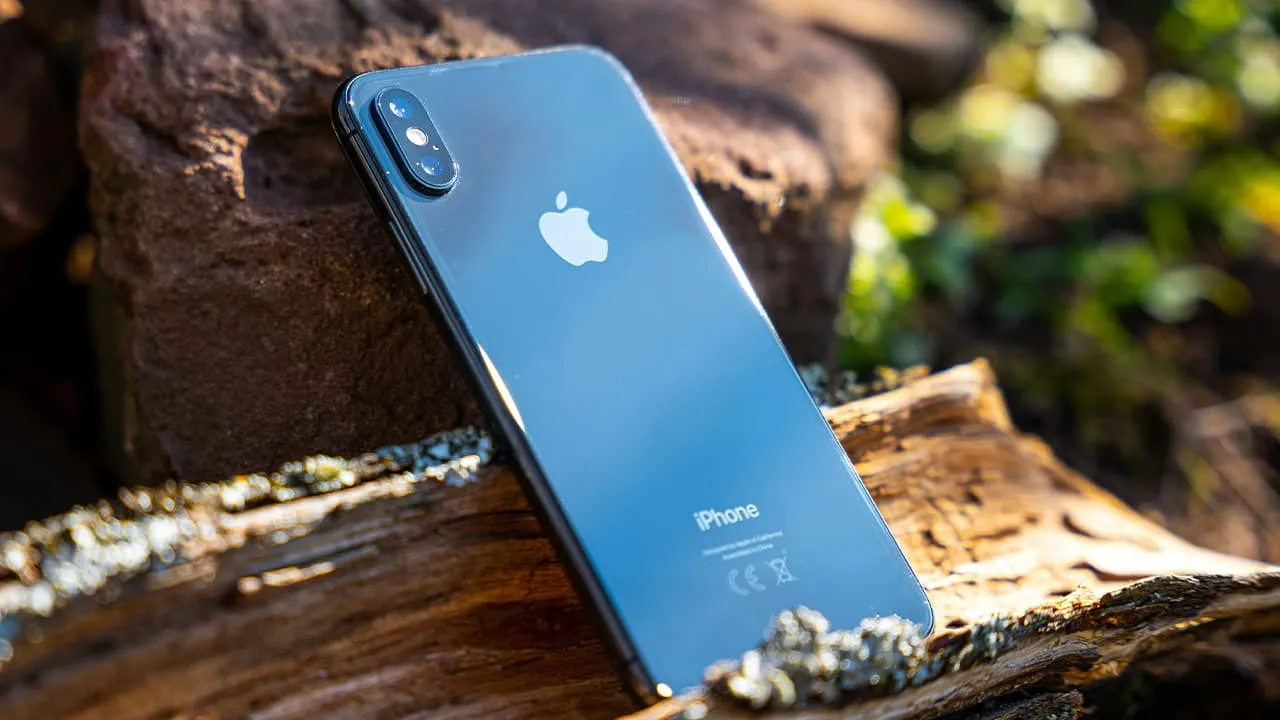
Apple has officially classified the iPhone X and 2018 15-inch MacBook Pro as obsolete, ending Apple’s standard hardware service and parts support for the two devices.
The move means owners of the two products will no longer be able to obtain repairs or replacement parts through Apple or its authorised service providers, subject to limited exceptions where parts may still be available.
The iPhone X, launched in 2017, was added to Apple’s obsolete-products list on Thursday, marking another milestone for a device that introduced several major changes to Apple’s smartphone lineup.
It was the first iPhone to replace the traditional Touch ID Home button with Face ID and introduced an OLED display to Apple’s mainstream iPhone range. It also introduced the now-familiar edge-to-edge design with a notch housing its front-facing sensors.
What Apple’s obsolete classification means
Apple generally classifies products as vintage when they have not been distributed for sale for more than five years but less than seven years.
Products that have not been sold for more than seven years are classified as obsolete.
Apple can continue providing service and parts for vintage products for up to seven years from when they were last distributed for sale, although availability depends on parts.
Once a product becomes obsolete, Apple discontinues hardware service and authorised service providers can no longer order parts for standard repairs.
For iPhone X owners, however, the classification does not mean their phones will suddenly stop working.
Existing devices can continue to be used, although owners will increasingly have to rely on independent repair providers if hardware problems develop.
iPhone X had early hardware problems
The iPhone X’s introduction was accompanied by reports of hardware problems, including displays developing green lines and issues affecting the Face ID system.
Apple provided replacement options for some affected devices at the time, but the company never issued a broad recall of the iPhone X.
Almost a decade after its launch, the device has now reached the end of Apple’s official hardware-support cycle.
The phone’s age also means owners face increasing limitations on the software side.
The iPhone X does not support Apple’s newer iOS releases beyond iOS 16, making the ageing device increasingly difficult to keep current with Apple’s latest software and security features.
2018 MacBook Pro also becomes obsolete
Apple has also classified the 2018 15-inch MacBook Pro as obsolete.
The model was notable for being among Apple’s early Mac computers equipped with the T2 security chip, which provided features including secure boot management and protection for Touch ID data.
However, the computer is also remembered for Apple’s controversial butterfly keyboard, which was criticised for reliability problems.
Apple subsequently introduced a keyboard replacement programme covering affected MacBook models, but that programme ended in 2024.
The 2018 15-inch MacBook Pro has also reached the limits of Apple’s current software support, with macOS Sequoia representing the latest officially supported version.
Owners can still use the devices
The obsolete classification does not disable either product.
Owners can continue using their iPhone X or 2018 MacBook Pro as long as the hardware and software remain functional.
The immediate change is primarily related to hardware servicing.
Also Read: Will your next iPhone cost more? Apple weighs price increase
With Apple and its authorised service network no longer offering standard repairs or parts for the obsolete devices, owners experiencing hardware failures will increasingly have to turn to independent repair shops.
However, given the age of both products, users may find that replacing an ageing device is more economical than paying for major repairs.
For iPhone X owners in particular, battery replacement, display failures and Face ID-related problems could become more difficult and expensive to address as genuine replacement components become harder to obtain.
The classification therefore marks the end of an official support era for two products that played important roles in Apple’s transition towards its modern hardware designs.
