


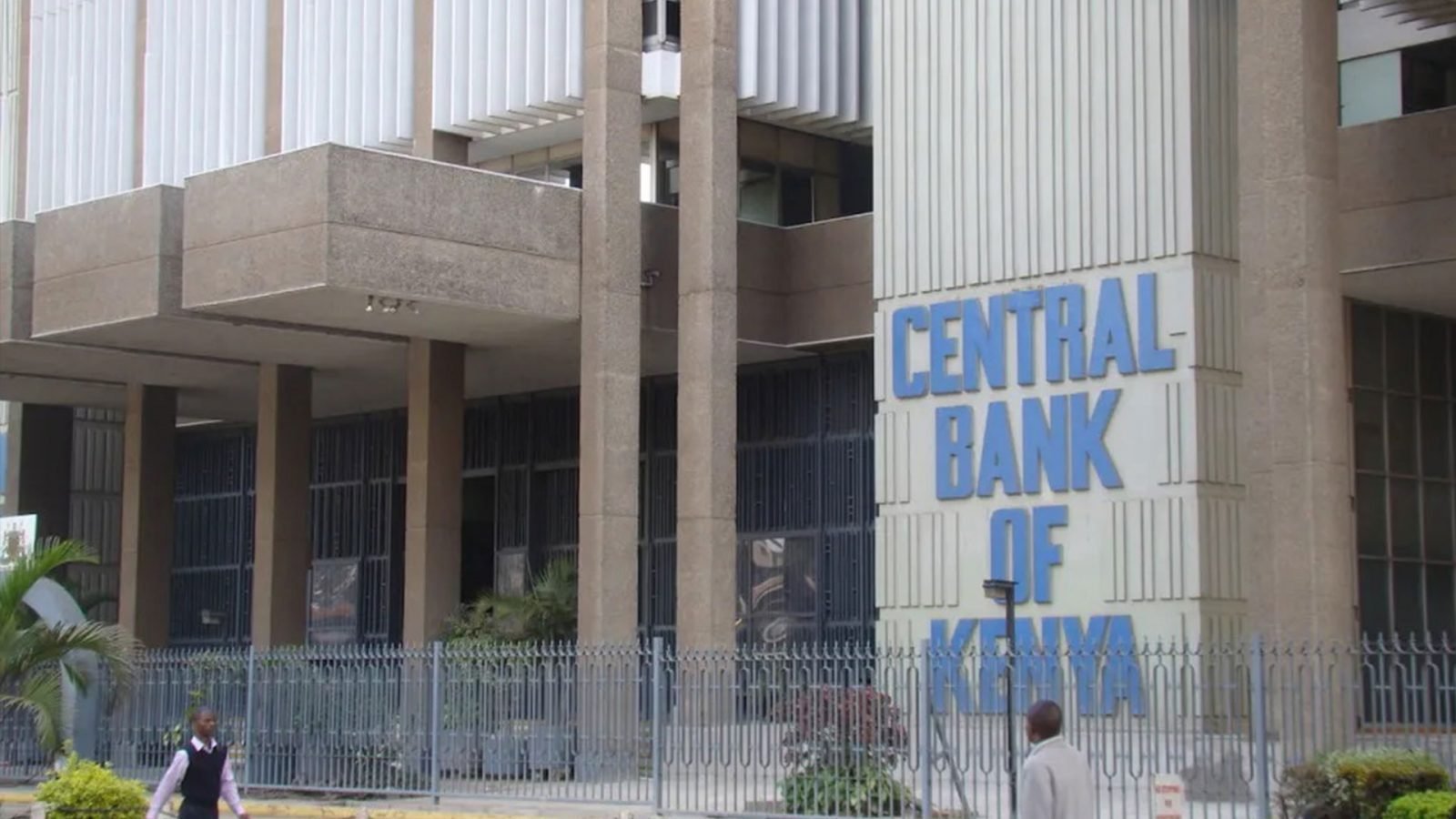
NAIROBI, Kenya — The Central Bank of Kenya (CBK) has retained the Central Bank Rate (CBR) at 8.75 per cent, citing the need to keep inflation expectations anchored and maintain exchange-rate stability amid heightened global economic uncertainty.
The decision was announced on Tuesday, August 11, 2026, following a meeting of the Monetary Policy Committee (MPC), which said rising global oil prices and the potential impact of the conflict in the Middle East remained key risks to the Kenyan economy.
The MPC said the current monetary policy stance remained appropriate despite pressures in the global economy.
“Having considered these developments, the Committee concluded that the current monetary policy stance, with the Central Bank Rate unchanged at 8.75 per cent, remains appropriate to ensure that inflation expectations remain anchored within the target range, and the exchange rate remains stable,” the CBK said.
The decision comes days after the Kenya Bankers’ Association (KBA) urged the central bank to maintain the rate at 8.75 per cent, arguing that the prevailing stance was supporting credit growth, exchange-rate stability and price stability.
CBK warns of global economic risks
The MPC said global economic growth is projected to slow to 3.0 per cent in 2026, down from an estimated 3.5 per cent in 2025.
It attributed the weaker outlook partly to higher energy prices linked to the conflict in the Middle East, warning that prolonged increases in oil prices could feed into transport, production and consumer prices.
Global inflation is also projected to rise to 4.7 per cent in 2026 from 4.1 per cent in 2025, according to the MPC.
The committee said higher energy and transport costs, alongside persistent core inflation in several major economies, were contributing to the renewed inflationary pressure.
“Global inflation is expected to increase to 4.7 percent in 2026 from 4.1 percent in 2025 on account of higher energy prices and transport costs,” the MPC said.
The CBK said it would continue monitoring oil prices and their potential second-round effects on inflation, as well as developments in both the global and domestic economies.
Kenya inflation edges higher
Kenya’s inflation remained within the CBK’s target range in July, although it increased slightly to 6.5 per cent from 6.4 per cent in June.
Core inflation remained relatively stable at 3.2 per cent, while non-core inflation eased marginally to 15.0 per cent from 15.1 per cent.
Food prices, however, continued to exert pressure on household budgets.
The MPC identified higher prices of Irish potatoes, tomatoes, kale, cabbage and onions as key contributors to elevated food inflation.
The central bank expects overall inflation to remain within the target range in the near term, provided food prices remain stable, the exchange rate holds steady and the conflict in the Middle East de-escalates.
KBA backs rate decision
The decision also aligns with the position taken by the banking industry ahead of the MPC meeting.
The Kenya Bankers’ Association (KBA) had called on CBK to retain the CBR at 8.75 per cent, arguing that the existing monetary policy stance was helping create a more predictable environment for businesses and borrowers.
KBA pointed to the relatively stable inflation rate and exchange rate as reasons for maintaining the current position.
Also Read: Equity Bank cuts loan rates after CBK lowers benchmark to 8.75%
“With inflation anchored, as well as exchange rate stability, we view that maintaining the current stance of monetary policy in keeping the CBR unchanged at 8.75 per cent would be appropriate,” the association said in a statement issued on Friday, August 7.
The association had also argued that maintaining the rate could support private-sector credit and help businesses plan investment and borrowing decisions.
CBK keeps options open
The latest decision does not rule out future changes to monetary policy.
The MPC said it remained prepared to act if developments in global oil prices, inflation or other economic indicators warranted intervention.
“The MPC noted that there is need to continue monitoring the evolution of global oil prices and any second-round effects on inflation, as well as other developments in the global and domestic economies, and stands ready to take further action as necessary in line with its mandate,” the CBK said.
The committee is scheduled to meet again in October 2026.
For Kenyan households and businesses, the immediate significance of the decision is that the benchmark policy rate remains unchanged, even as the central bank weighs the competing pressures of supporting economic activity while preventing renewed inflationary pressures from taking hold.
