


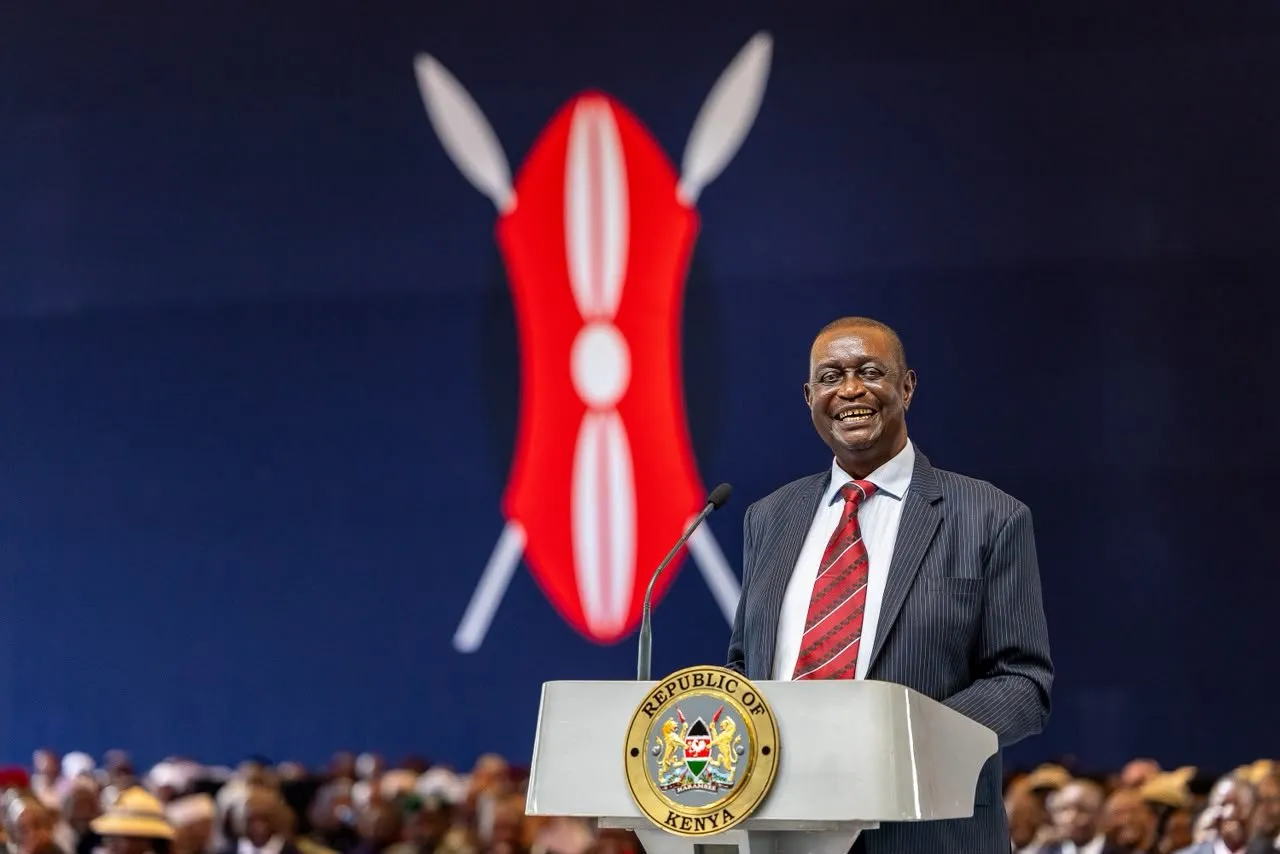
NAIROBI, Kenya — The Orange Democratic Movement (ODM) will not field a presidential candidate in Kenya’s 2027 General Election and will instead support President William Ruto’s re-election bid, senior party leader Dr. Oburu Oginga has announced.
Speaking on Tuesday 4, August 2026 at State House, Nairobi, where President Ruto hosted village elders from across the country, Oburu said ODM had resolved to rally behind the President while contesting other elective positions.
“At this time, we in ODM will not have a presidential candidate. Our candidate in 2027 is President William Ruto,” Oburu declared.
The announcement signals a historic shift for ODM, which has fielded or supported a presidential candidate in every general election since the party was founded in 2005.
Other positions still open
While ruling out a presidential bid, Oburu said the party intends to compete for all other elective positions, including the deputy presidency.
“Our candidate is President William Ruto. But all the other positions are negotiable, particularly number two. Don’t you think I deserve to be number two?” he joked, drawing laughter from the audience.
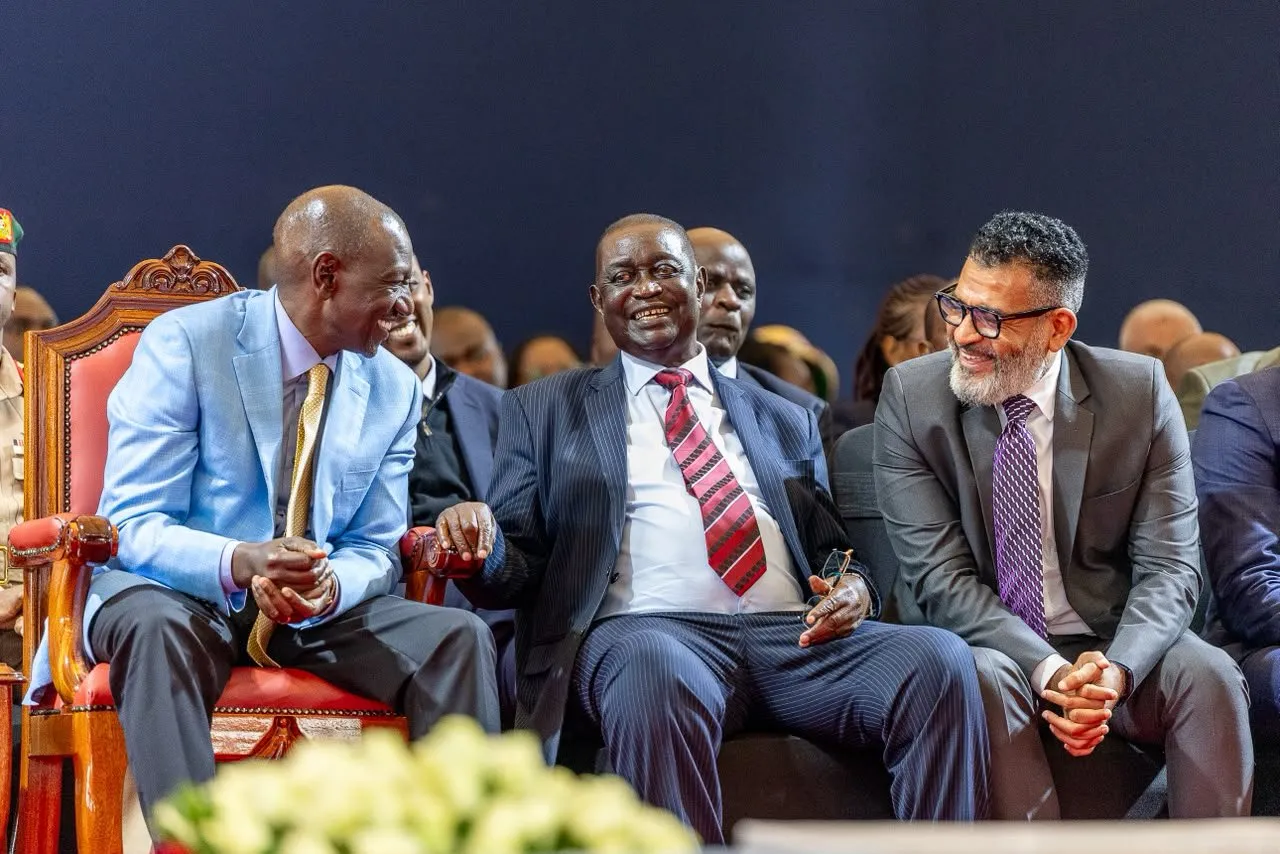
Although delivered humorously, the remarks underscored ODM’s expectation of retaining political influence within the broad-based government arrangement.
Defence of the broad-based government
Oburu reaffirmed the party’s commitment to the broad-based government formed following the political rapprochement between President Ruto and the late opposition leader Raila Odinga.
He said the cooperation reflected Raila’s political direction and should not be interpreted as ODM surrendering its identity.
“We are working with President Ruto in this broad-based government. My late brother Raila left us there. We are not going to be swallowed by him, but we are going to work together to make a strong government.”
His remarks are likely to fuel debate within opposition circles, where some leaders have criticised ODM’s continued cooperation with the Kenya Kwanza administration.
Vision beyond politics
Oburu also defended President Ruto’s development agenda, arguing that successive administrations should be judged on how effectively they implement long-term national plans rather than partisan politics.
He cited Kenya’s Vision 2030 blueprint as an example of a national programme that has outlived multiple governments.
“There are people who are even against vision. If you are visionless, you cannot move ahead. Vision 2030 was not started by Ruto; it has been implemented by several presidents. Measure what has been achieved and say how far each administration has pushed it.”
Praise for village elders’ stipend
The Siaya senator also applauded President Ruto for introducing monthly stipends for village elders, describing the initiative as long overdue.
Also Read: Oburu Odinga tells ODM aspirants to seek votes, not favors ahead of 2027 nominations
According to Oburu, grassroots leaders have served communities for decades without formal recognition or compensation.
“This is my seventh term in Parliament. We have pushed government after government to pay village elders because they are the real grassroots. President Ruto had the courage to make it happen.”
He dismissed criticism that the programme would place unnecessary pressure on public finances, arguing that the spending directly benefits ordinary citizens.
“Those debts he is not eating. He is paying the people. If it translates into benefits for our people, we must appreciate it.”
Challenge to the Opposition
Oburu urged opposition parties to focus on presenting alternative policies rather than merely criticising the government.
He argued that political competition should revolve around development ideas and programmes capable of improving citizens’ lives.
“We want to say that President Ruto is trying his best and the Opposition should also try. They should bring their own programmes and tell the people what they want to do.”
He added that ODM would continue working with President Ruto’s administration while simultaneously pursuing its own political interests in parliamentary, gubernatorial and other elective contests during the 2027 elections.
If maintained, ODM’s decision not to field a presidential candidate would mark one of the most significant political realignments in Kenya’s multiparty era, reshaping the contest for State House and potentially redefining alliances ahead of the next general election.
