


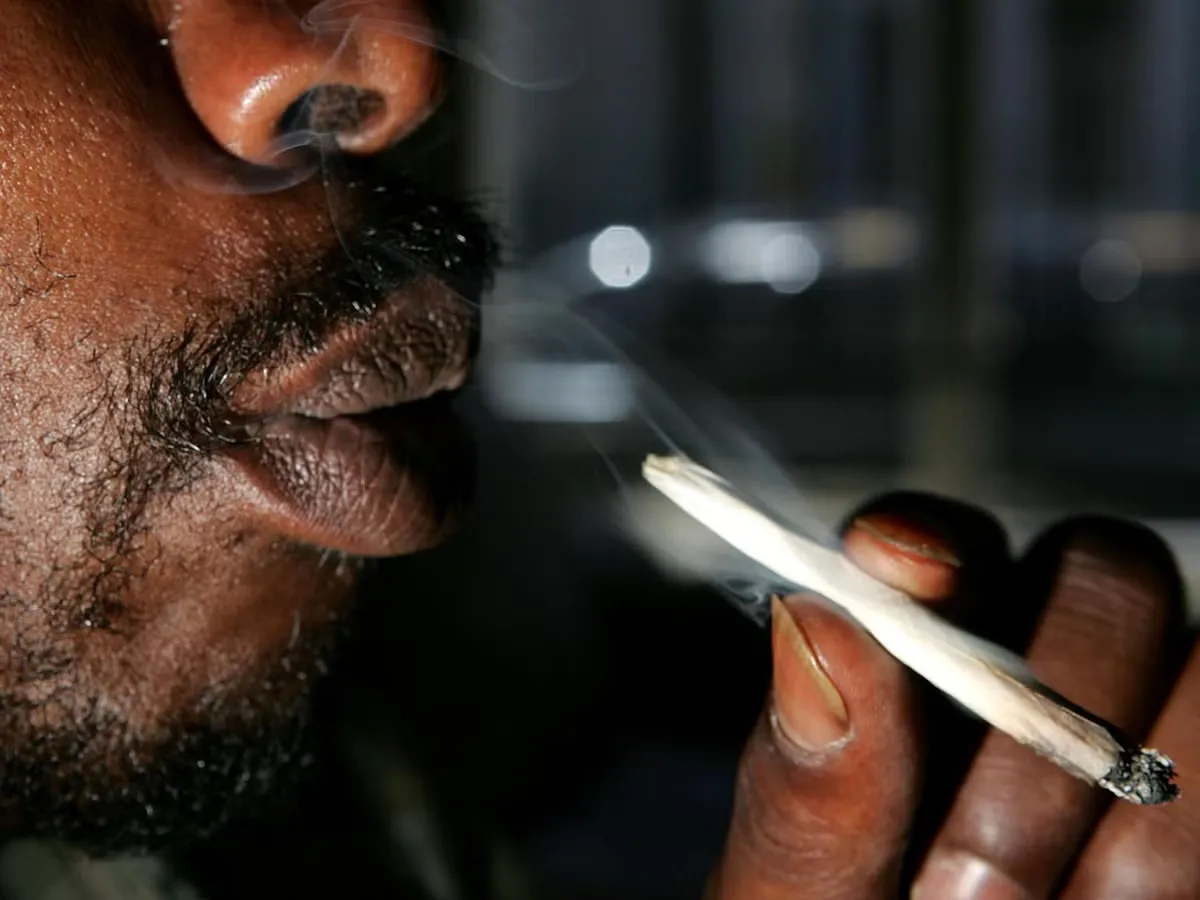
NAIROBI, Kenya — Kenya’s High Court has upheld the country’s laws criminalising cannabis, dismissing a petition by members of the Rastafarian community who sought legal recognition of the substance as part of their religious practice.
In a judgment delivered on Wednesday 15, July 2026, Justice Bahati Mwamuye ruled that the petitioners had failed to present sufficient and consistent evidence to justify striking down provisions of the law that prohibit the cultivation, possession, trafficking and use of cannabis, commonly known in Kenya as bhang.
The decision leaves intact the provisions of the Narcotic Drugs and Psychotropic Substances (Control) Act, which criminalises cannabis-related activities and imposes penalties ranging from fines to lengthy prison terms.
The case had been closely watched by advocates of religious freedom and drug policy reform, as it tested whether constitutional protections for freedom of religion could extend to the use of cannabis as a sacrament in Rastafarian worship.
Religious freedom not absolute, court says
In his ruling, Justice Mwamuye acknowledged that Kenya’s Constitution guarantees freedom of conscience, religion, belief and opinion. However, he emphasised that those rights are not unlimited and may be restricted where necessary to protect public health, safety and the broader public interest.
The court found that the petitioners had not met the legal threshold required to invalidate an existing law enacted by Parliament.
Justice Mwamuye held that while courts have a duty to safeguard constitutional rights, they must also balance those rights against legitimate state interests, including public health concerns associated with controlled substances.
As a result, the judge declined to declare the impugned sections of the law unconstitutional.
The ruling means that cannabis remains illegal in Kenya regardless of whether its use is claimed to be for religious purposes.
Rastafarians sought religious exemption
The petition was filed by members of the Rastafarian community, who argued that cannabis plays a central role in their spiritual beliefs and religious rituals.
Rastafarianism, a faith that emerged in Jamaica during the 1930s, regards cannabis as a sacred herb used for meditation, reasoning sessions and spiritual reflection.
The petitioners argued that criminalising cannabis effectively interfered with their constitutional right to practise their religion freely.
They sought legal recognition of cannabis use within the Rastafarian faith and challenged the constitutionality of provisions that prohibit its possession, cultivation and consumption.
However, the court concluded that the evidence presented did not sufficiently demonstrate why an exemption should be created under Kenyan law.
Kenya’s cannabis laws remain unchanged
The judgment preserves Kenya’s existing legal framework governing cannabis.
Under the Narcotic Drugs and Psychotropic Substances (Control) Act, possession of cannabis is a criminal offence punishable by imprisonment, a fine or both, depending on the circumstances of each case.
Cultivating cannabis without lawful authority also remains a serious offence and can attract lengthy prison sentences upon conviction.
Also Read: Rastafarians challenges marijuana ban in Kenya, seeks religious exemption
Kenya is among several African countries that continue to maintain strict prohibitions on recreational and religious cannabis use, although debate over reform has intensified in recent years.
Elsewhere on the continent, countries including South Africa, Lesotho, Malawi, Zambia and Zimbabwe have adopted varying degrees of cannabis reform, particularly for medicinal, industrial or private use.
Judge calls for wider policy debate
Although he dismissed the petition, Justice Mwamuye observed that the broader question of cannabis regulation remains an important public policy issue deserving national discussion.
The judge noted that decisions about whether Kenya should relax, amend or maintain its cannabis laws ultimately fall within the mandate of lawmakers and policymakers rather than the judiciary.
His remarks come amid growing global debate over cannabis regulation, with an increasing number of countries reviewing laws governing medicinal, recreational and religious use of the substance.
Supporters of reform argue that criminal penalties have done little to eliminate cannabis use while placing pressure on criminal justice systems. Opponents maintain that legalisation could pose public health and safety risks.
For now, however, the High Court’s decision means Kenya’s cannabis laws remain firmly in place, and any future changes will likely depend on legislative action rather than judicial intervention.
