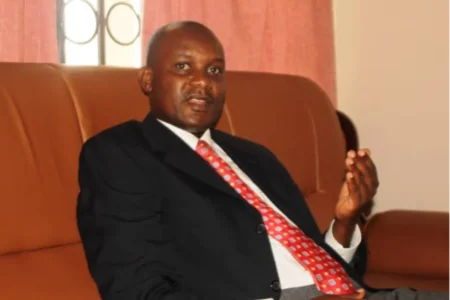


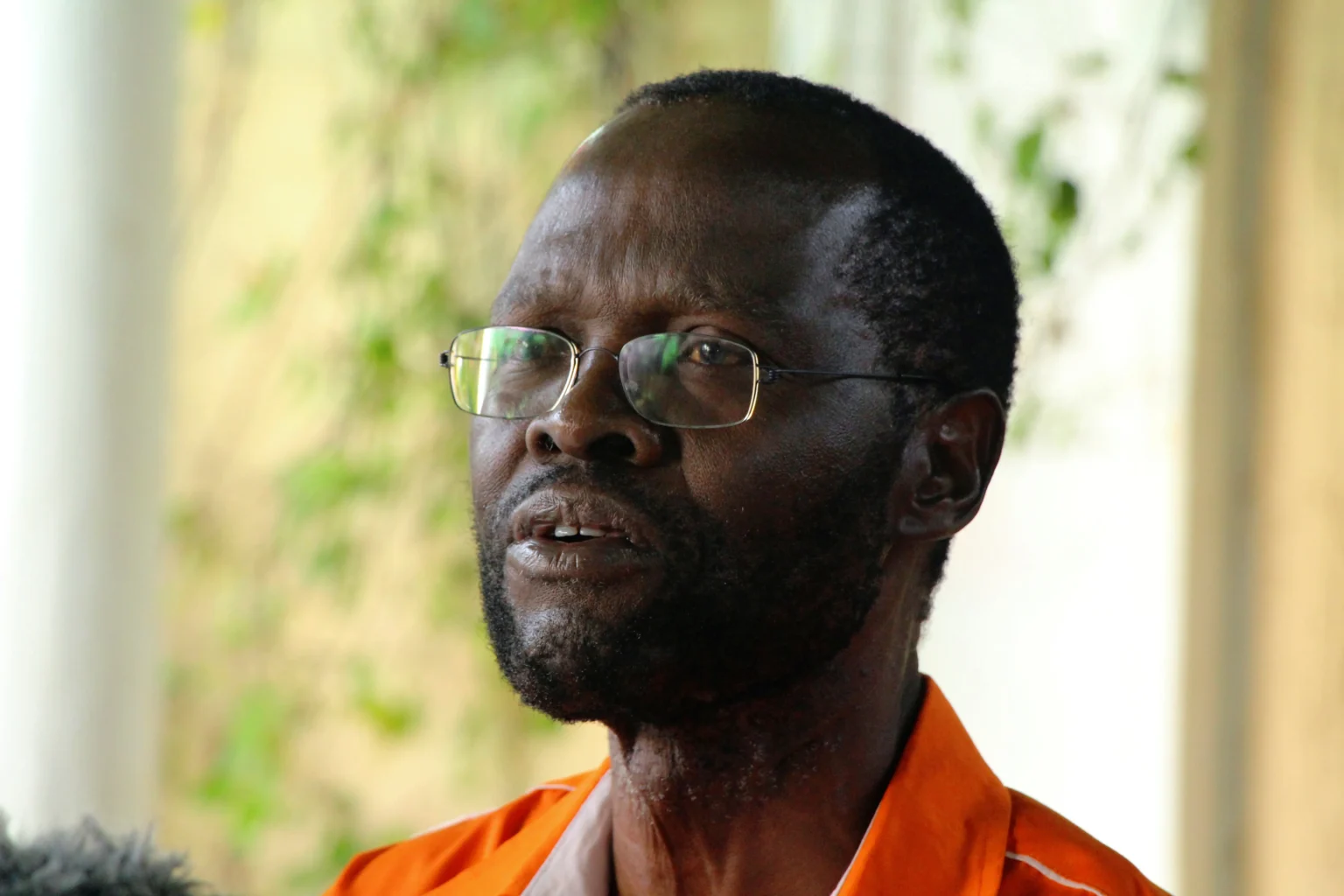
KISUMU, Kenya — Kisumu Governor Prof. Peter Anyang’ Nyong’o has shared a deeply personal account of his 15-year battle with prostate cancer, revealing how the diagnosis transformed his life and inspired the creation of one of Kenya’s most prominent cancer advocacy organisations.
In a statement published on his official X account on Friday, July 10, 2026, Nyong’o reflected on the moment he was diagnosed with prostate cancer in 2010, describing it as a life-altering experience that forced him to confront his own mortality while ultimately inspiring a broader mission to support cancer patients across Kenya.
The governor made the remarks during celebrations marking the 15th anniversary of the Africa Cancer Foundation (ACF), an organisation he co-founded with his wife, Dorothy Nyong’o, following his recovery.
“A moment that changed everything”
Nyong’o said the diagnosis remains one of the defining moments of his life.
“Fifteen years ago, I sat in a doctor’s office and heard words that would change the trajectory of my life: prostate cancer. It is a moment that strips you bare. It confronts you with your own fragility, with the terrifying silence of mortality,” he said.
Rather than allowing the diagnosis to define him, Nyong’o said he and his wife chose to transform the experience into a commitment to ensure that other cancer patients would not face the disease in isolation.
“In that darkness, however, something remarkable happened. Mama Kisumu, Dorothy Nyong’o, and I made a solemn vow not only to survive, but to ensure that no Kenyan, regardless of the weight of their purse or the emptiness of their pockets, would have to walk the cancer journey alone, abandoned and without hope. That vow became the Africa Cancer Foundation,” he stated.
Building a cancer advocacy movement
Founded in 2011, the Africa Cancer Foundation has grown into a leading voice in cancer awareness, prevention, patient support and policy advocacy in Kenya.
The organisation has worked with national and county governments, healthcare providers, development partners and community organisations to improve public awareness of cancer and expand access to screening and treatment services.
Nyong’o said the foundation’s work has always focused on restoring dignity and hope to individuals whose lives have been disrupted by cancer.
“Our mission is not abstract. It is flesh and blood. It is the mother in Kilifi who cannot afford chemotherapy. It is the young man in Kibra who fears the diagnosis more than the disease itself. It is to restore hope, uphold dignity, and provide quality cancer care to every single one of them,” he said.
He added that the foundation has helped change public attitudes toward cancer, a disease that was once rarely discussed openly in many communities.
“We have advanced policies that once seemed beyond reach. We have expanded screening and awareness to villages where cancer was once spoken about only in whispers. We have proven, with the stubborn persistence of those who have looked death in the eye, that advocacy transforms systems, while service changes lives,” he said.
Cancer remains a major health challenge
Cancer remains one of Kenya’s leading causes of illness and death, with health experts consistently warning that late diagnosis continues to undermine treatment outcomes.
According to Kenya’s National Cancer Control Strategy, thousands of new cancer cases are diagnosed annually, with breast, cervical, prostate and oesophageal cancers among the most common.
Medical professionals have repeatedly emphasised the importance of routine screening and early detection, noting that many cancers can be treated more effectively when identified at an early stage.
Prostate cancer, the disease Nyong’o was diagnosed with, remains one of the most common cancers affecting men globally and is among the leading cancer-related causes of death among men in sub-Saharan Africa.
Mobile clinic to expand early detection
As part of the foundation’s anniversary celebrations, the Africa Cancer Foundation unveiled a mobile cancer clinic that will provide screening services directly within communities.
The initiative is designed to bring cancer screening closer to underserved populations by conducting outreach activities in markets, public gatherings and rural communities where access to healthcare services remains limited.
Also Read: Former US President Joe Biden diagnosed with aggressive prostate cancer
Health advocates say mobile screening programmes play a critical role in increasing early diagnosis, particularly in areas where specialised cancer services are not readily available.
Nyong’o also reaffirmed support for the planned Chung Jeong-Eun–Nyong’o Cancer Centre in Kisumu and ongoing efforts to establish Kenya’s first public bone marrow transplant programme at the Jaramogi Oginga Odinga Teaching and Referral Hospital (JOOTRH).
From survivor to champion
Nyong’o has previously disclosed that his cancer was detected after routine medical tests revealed elevated Prostate-Specific Antigen (PSA) levels.
Following the diagnosis, he underwent treatment at the University of California, San Francisco Medical Center in the United States and later recovered.
Since then, he has become one of Kenya’s most vocal advocates for cancer awareness and early screening, frequently encouraging men to seek regular medical examinations and break the stigma surrounding cancer diagnoses.
As the Africa Cancer Foundation marks 15 years of operation, Nyong’o said the organisation’s journey remains rooted in the same commitment that emerged from his own diagnosis: ensuring that no cancer patient is left to face the disease alone.