


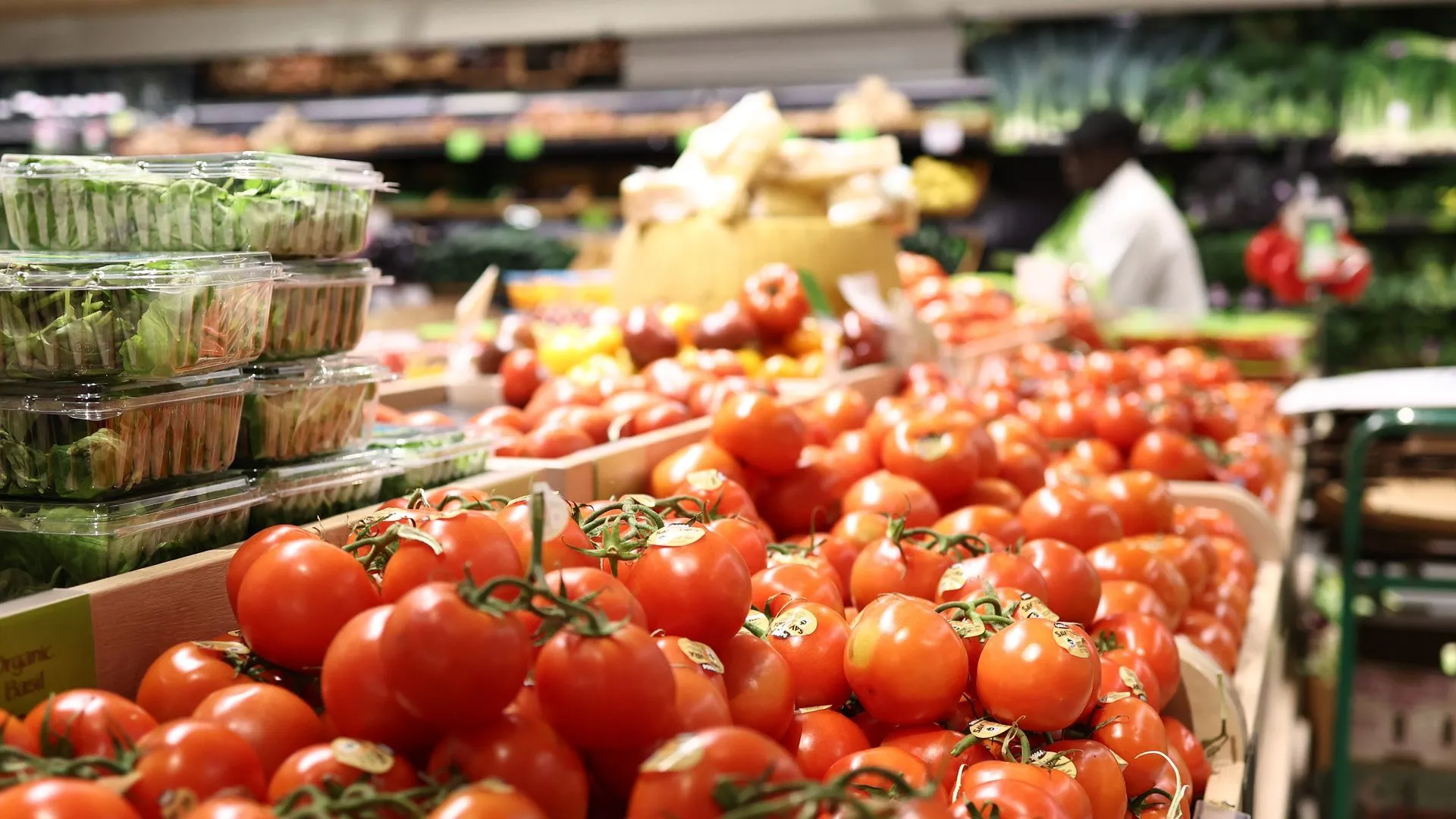
NEW YORK, United States — Tomatoes, a staple ingredient found everywhere from fast-food burgers to fine dining kitchens, are rapidly becoming one of the clearest symbols of America’s worsening affordability crisis as prices continue to soar across grocery stores and restaurants.
According to the latest U.S. Consumer Price Index data, tomato prices have jumped by approximately 40 percent compared to a year ago, recording the steepest increase among major food products and intensifying pressure on households already grappling with rising living costs.
The sharp increase outpaced other major grocery inflation spikes, including coffee, beef roasts, frozen seafood and several processed food products that have become increasingly expensive amid persistent inflationary pressures across the U.S. economy.
For many consumers, the once-routine act of buying fresh vegetables is now becoming financially stressful.
“The tomato has become a symbol of something much deeper,” New York chef Isaac Bernal Carbajo said while describing the growing strain on ordinary households.
“Something as basic as buying fresh vegetables is starting to become a serious financial decision for many families,” he added.
Trade policy and global tensions blamed
Economists and supply chain analysts say the price surge is being fuelled by a combination of trade policy decisions, geopolitical instability, and climate-related agricultural pressures.
One of the biggest drivers has been the United States’ withdrawal from a long-standing agreement that previously allowed duty-free tomato imports from Mexico, the country that supplies the majority of tomatoes consumed in the U.S.
Following the policy shift, imported tomatoes from Mexico were subjected to a 17 percent tariff, significantly increasing import costs across the supply chain.
Analysts say the impact became more visible during the late winter and early spring import season, when large volumes of Mexican tomatoes entered the U.S. market under the new tariff structure.
Federal trade data shows tariff collections on tomatoes surged dramatically from just over $16,000 in 2024 to nearly $4.6 million this year.
“The U.S. relies on Mexico for the majority of its tomato supply, so any changes in trade policy can have a large impact,” said Brett Massimino, a business professor at Virginia Commonwealth University.
Experts also linked rising costs to disruptions associated with the ongoing Iran conflict, which contributed to higher fuel prices and increased international shipping costs, adding further pressure on food distribution networks.
Usha Haley, an economist at Wichita State University, described the situation as “a perfect storm of trade policy, extreme weather and Middle East policy.”
Restaurants and businesses under pressure
The impact is being felt particularly hard by restaurants and food businesses that depend heavily on tomatoes in daily operations.
Restaurant pricing tracker MarginEdge reported that grape tomato prices alone increased by approximately 65 percent within a month, while other tomato varieties also recorded substantial increases.
Among the businesses struggling with the surge is sandwich chain Snarf’s Sandwiches, which uses tomatoes in nearly all of its products.
Wayne Humphrey, the company’s chief operating officer, said the cost of tomato cases supplied to the business had jumped from $27 to $93 within a year.
“That single ingredient now costs us more than $1.7 million in additional spend annually,” Humphrey said.
“The math is getting harder to ignore.”
The increase comes alongside rising labour costs and higher prices for other essential ingredients such as bread and beef, compounding financial pressure on food businesses already operating on tight profit margins.
Consumers react as grocery bills rise
Across social media, frustrated consumers have increasingly shared videos and photos showing sharply higher produce prices in supermarkets, with some reporting tomatoes selling for as much as $8 per pound in certain areas.
Some shoppers say they are considering growing vegetables at home to offset escalating grocery bills.
Also Read: Trump rolls back food tariffs, exempts coffee, bananas, beef, and 200+ food products
Inflation data released this week showed overall consumer prices in the United States rose by 3.8 percent in April compared to the previous year, the highest annual increase recorded in nearly three years.
Prices could ease later in the year
Despite the current surge, supply chain experts say tomato prices could gradually decline later this year when larger domestic harvests enter the market.
Phillip Coles, a professor of supply chain management at Lehigh University, said higher prices are also expected to encourage farmers to increase production, although expanding supply takes time due to planting and harvesting cycles.
For now, however, tomatoes are emerging as one of the most visible examples of how global conflict, trade tensions, and inflation are increasingly shaping everyday food prices for millions of consumers.
