


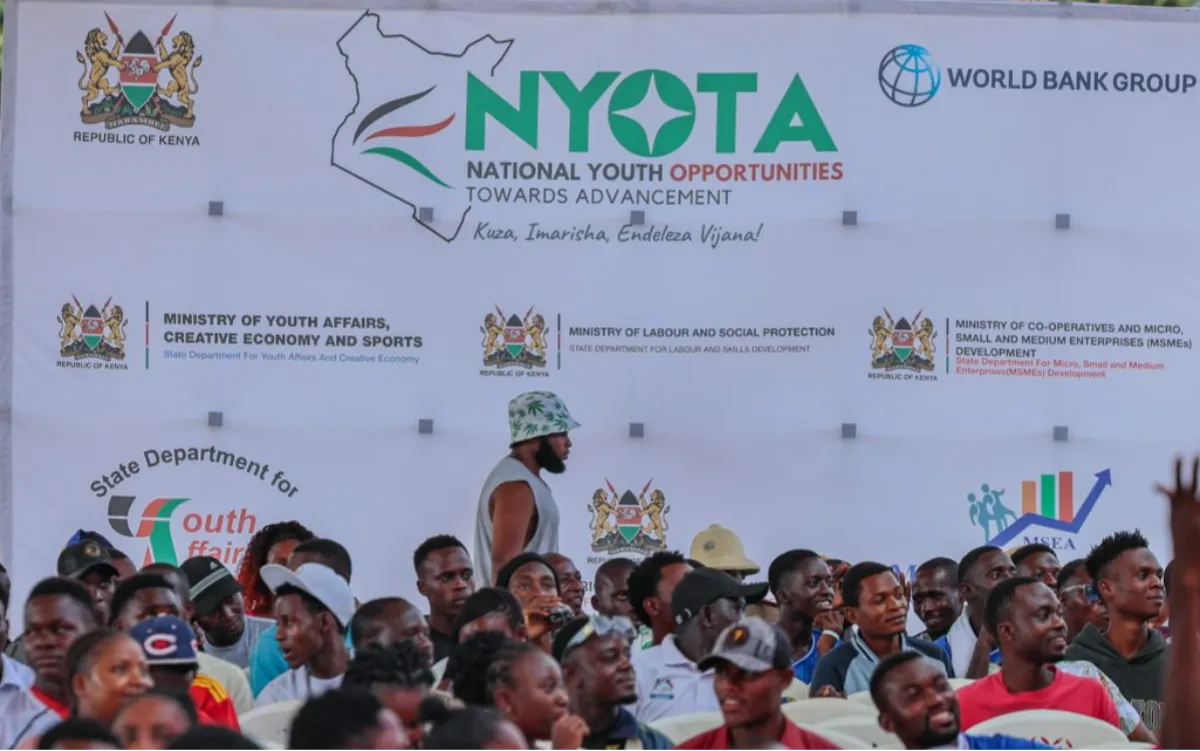
NAIROBI, Kenya — The NYOTA Project, a government initiative in Kenya, is designed to empower young people with business startup capital, training, and mentorship support. Managed in phased rollouts, the programme aims to ensure proper fund management and accountability while fostering youth entrepreneurship.
Launched by President William Ruto in September 2025, the fund targets unemployed Kenyans aged 18–29, with an extension to 35 for persons with disabilities.
Beneficiaries typically include those with Form 4 education or below, and the programme provides six months of on-the-job training alongside startup capital for small-scale enterprises.
To curb misuse, the government has emphasized that NYOTA services are completely free of charge. In a public advisory, the programme clarified that it does not operate a mobile application and does not provide loans.
“Kindly note that the NYOTA Project does NOT have any app and does NOT offer loans. All services under the NYOTA Project are completely free of charge,” the statement read.
The nationwide rollout, overseen by President Ruto in November 2025, initially focused on counties in the Western and Mount Kenya regions, including Kakamega, Vihiga, Busia, and Bungoma.
By early 2026, the programme extended to Uasin Gishu, Nakuru, Nairobi, Kiambu, and several other counties.
The initiative has also reached Nyanza and Rift Valley counties, with Kisumu hosting major disbursements for youth from Siaya, Kisumu, and Homa Bay.
In Northern Kenya, funds have been distributed in Garissa and Mandera, with Wajir scheduled for the final phase.
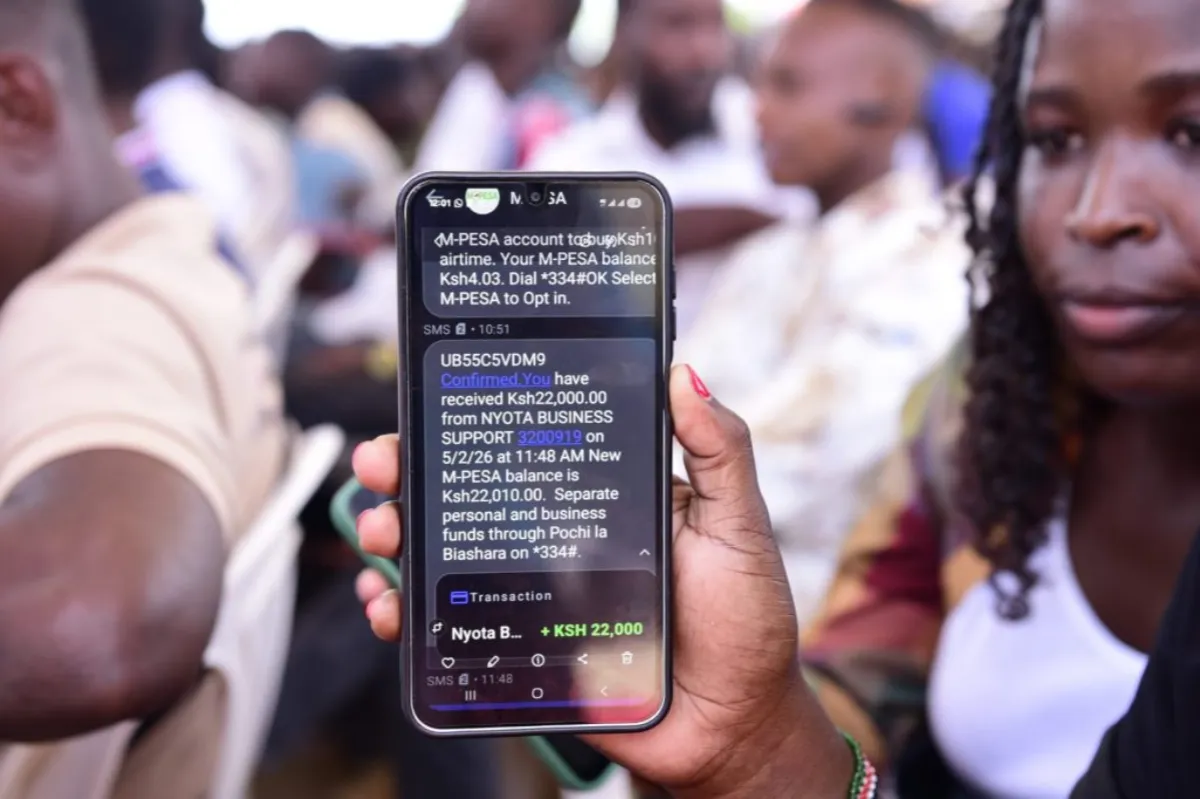
As the programme’s popularity grows, scammers have attempted to exploit it by offering non-existent incentives.
NYOTA officials have warned the public to remain vigilant and only rely on official channels for information and application procedures.
Also Read: Over 9 million Hustler Fund defaulters barred from new NYOTA youth grants
Analysts note that the NYOTA Project has the potential to transform youth employment prospects in Kenya, particularly by supporting small enterprises that create jobs within communities.
The programme aligns with broader government initiatives to tackle youth unemployment and stimulate inclusive economic growth.
The NYOTA Project represents a key intervention in Kenya’s youth empowerment agenda, combining capital access, skills training, and mentorship to help young entrepreneurs succeed.
While the phased rollout ensures accountability, the prevalence of scams highlights the need for continued public awareness and robust verification mechanisms.
By targeting both urban and rural counties, NYOTA also promotes regional economic inclusivity, potentially reducing youth migration pressures toward major cities.
Its long-term success will depend on transparent management, consistent monitoring, and effective integration with complementary youth development initiatives.
