


NAIROBI, Kenya — Kenya is preparing to introduce a new HIV prevention drug, lenacapavir, after receiving an initial consignment of 21,000 doses aimed at HIV-negative individuals considered at high risk of infection.
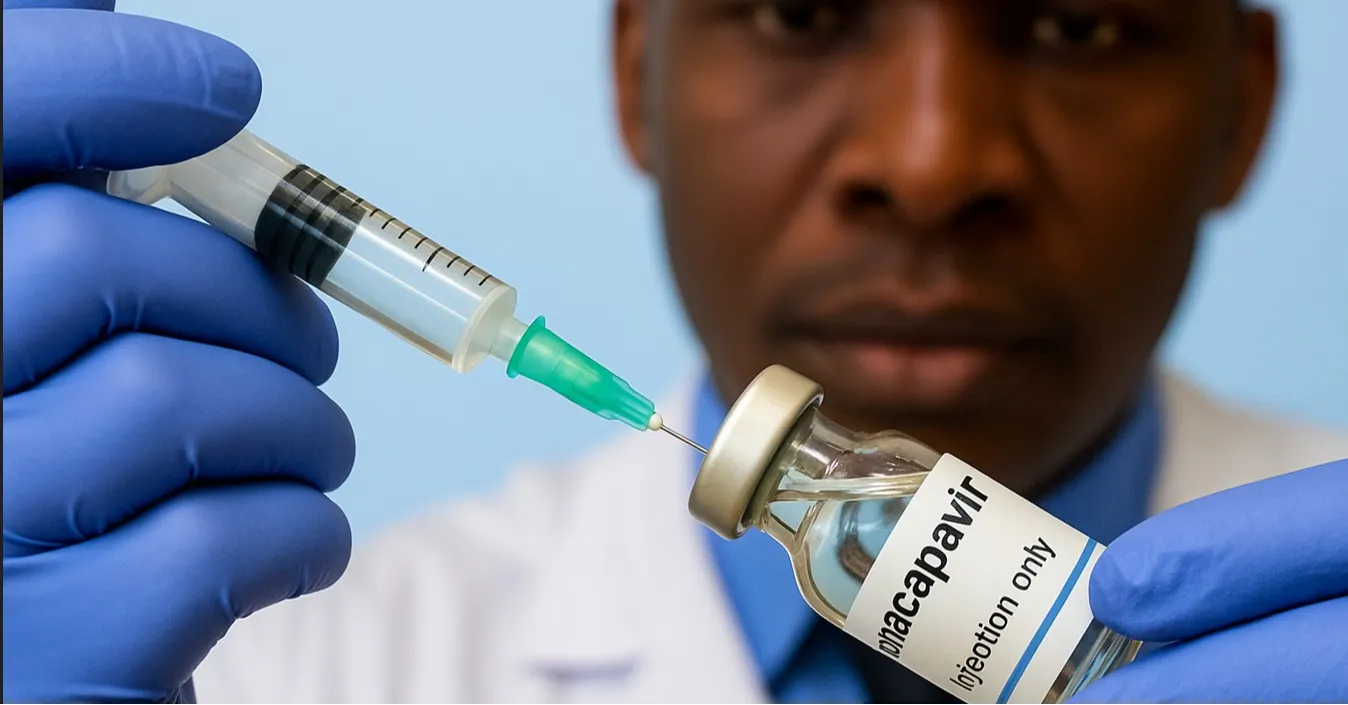
The injectable medicine, developed by Gilead Sciences, is administered twice a year, offering long-acting protection that could ease adherence challenges commonly associated with daily oral pre-exposure prophylaxis (PrEP).
Health authorities say the rollout represents a significant shift in HIV prevention strategy, particularly in regions where stigma, pill fatigue and inconsistent access to clinics limit the effectiveness of daily medication.
Lenacapavir was originally designed as a treatment option for people living with multidrug-resistant HIV who had exhausted multiple therapies. Researchers later explored its preventive potential, leading to clinical trials that showed the drug could significantly reduce the risk of acquiring HIV when used as PrEP.
Global guidance from the World Health Organization (WHO) in July 2025 formally recommended twice-yearly injectable lenacapavir as an additional prevention option for HIV-negative people at substantial risk of infection.
The agency emphasised that lenacapavir is not a cure and should not replace established treatment regimens for people already living with HIV, who remain advised to continue combination antiretroviral therapy.
Lenacapavir belongs to a newer category of antiretroviral drugs known as capsid inhibitors, which disrupt HIV replication at multiple stages of the virus’s life cycle. This mechanism differs from widely used drug classes such as reverse transcriptase, protease and integrase inhibitors, allowing the medicine to remain effective even against virus strains resistant to existing therapies.
Evidence for its therapeutic impact emerged from the CAPELLA Phase 2/3 trial involving adults with multidrug-resistant HIV. Participants experienced rapid viral load reductions when lenacapavir was added to optimised treatment regimens, with many achieving sustained viral suppression within a year.
Subsequent prevention trials, including the large PURPOSE studies conducted across sub-Saharan Africa, demonstrated high efficacy in preventing infection among HIV-negative participants receiving injections twice annually. These findings underpinned the WHO’s recommendation for preventive use.
Kenya’s rollout will prioritise populations at substantial risk, including sex workers, people in serodiscordant relationships, men who have sex with men, adolescents and young women in high-prevalence regions, and individuals who struggle to maintain daily PrEP adherence.
Before receiving the injection, candidates must test HIV-negative, undergo counselling and be assessed for eligibility.
Health officials say deploying lenacapavir for prevention could deliver the greatest population-level impact by reducing new infections and easing long-term pressure on healthcare systems.
Sub-Saharan Africa accounts for the majority of global HIV infections, making the region central to prevention strategies. Large clinical trials conducted locally have supported safety and effectiveness data for the populations most affected.
Kenya’s Director-General for Health Patrick Amoth said the introduction would follow a phased approach guided by national HIV data and county readiness under the Kenya PrEP Operational Plan 2025.
“It must be stated clearly and strongly emphasised that this medicine is neither a vaccine nor a cure for HIV,” Amoth said, urging people already on treatment to continue lifelong therapy.
Also Read: Kenya receives first 21,000 doses of long-acting HIV prevention injection Lenacapavir
The first phase will cover 15 counties, followed by another 15 before nationwide expansion.
The first phase targets 15 high-burden counties selected based on HIV prevalence and new infection rates:
- Nairobi
- Mombasa
- Kisumu
- Siaya
- Homa Bay
- Migori
- Busia
- Kisii
- Machakos
- Kajiado
- Kiambu
- Kilifi
- Kakamega
- Uasin Gishu
- Nakuru
Health authorities say the initiative is particularly urgent given that young people under 24 account for roughly 41 percent of new HIV infections in the country.
Kenya’s HIV prevalence stands at about 3.7 percent, with an estimated 1.34 million people currently receiving antiretroviral therapy.
Public health experts say twice-yearly injections could transform prevention by reducing clinic visits, limiting stigma associated with daily pill use and expanding protection in high-risk communities.
Global access agreements between manufacturers and generic partners are expected to lower costs in low- and middle-income countries, supporting broader uptake.
Officials view lenacapavir as a complementary tool rather than a replacement for existing strategies, forming part of a wider effort to cut new infections while sustaining treatment gains.
