


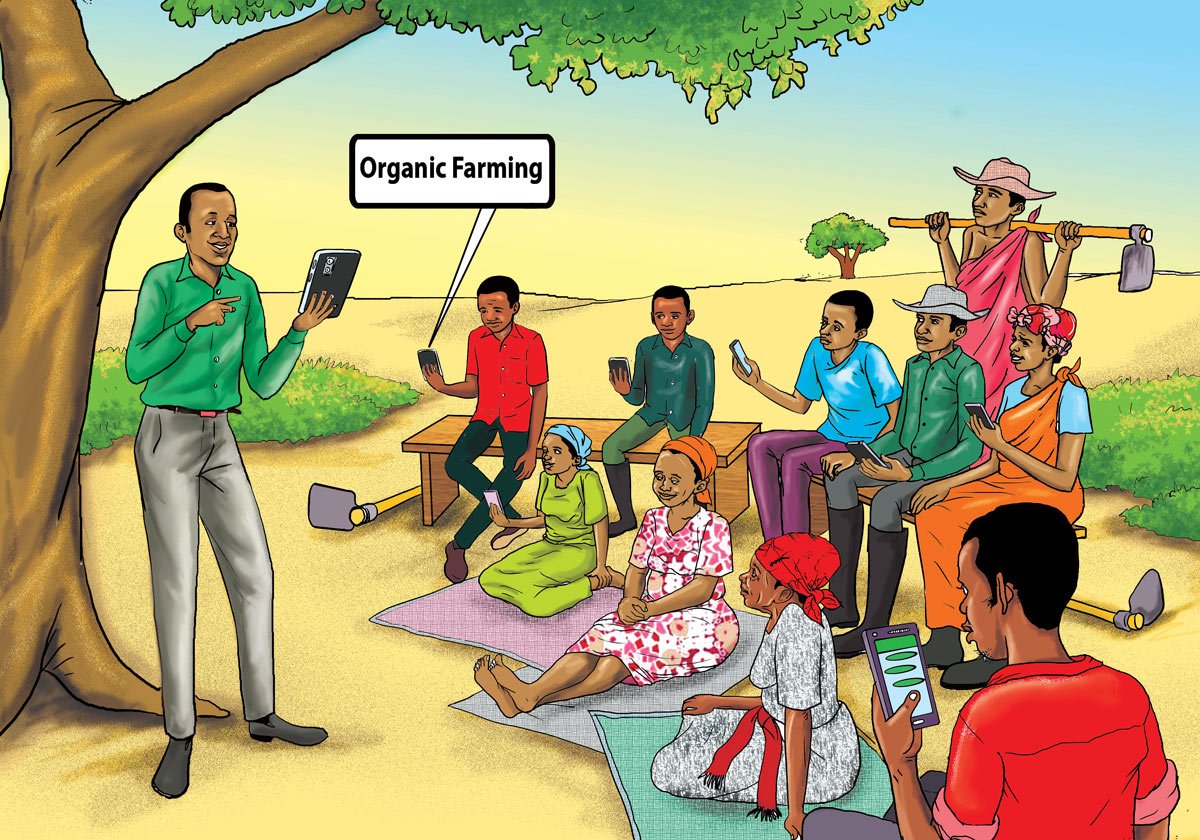
NAIROBI, Kenya — Across Africa, a quiet yet transformative agricultural movement is taking root — one grounded not in new technology, but in ancient wisdom. Organic farming, defined by the absence of synthetic fertilizers, pesticides, and genetically modified organisms (GMOs), is more than just a trend; it is a lifeline for sustainable agriculture and rural livelihoods.
By working with nature rather than against it, organic farmers preserve biodiversity, build resilient ecosystems, and safeguard food sovereignty — the right of communities to control their own food systems.
Yet, this heritage is under increasing pressure from the growing push to adopt GMOs, a development that critics warn could erode Africa’s unique agricultural landscape and centuries of seed diversity. The debate is not merely scientific — it is cultural, economic, and political.
Why organic farming matters in Africa
Organic farming aligns closely with the continent’s environmental and socio-economic realities. Without synthetic chemicals, soils retain their structure, nutrient content, and natural microbial life — all essential for long-term fertility. This is especially critical for African nations where land degradation affects more than 60% of agricultural soils, according to the African Union.
Organic practices such as crop rotation, intercropping, composting, and biological pest control help restore soil health while fostering biodiversity. These methods support pollinators, natural predators of pests, and a diverse range of crops and livestock, creating a balanced ecosystem that is less vulnerable to climate extremes.
From an economic standpoint, organic farming can be a game-changer for smallholder farmers, who make up nearly 80% of Africa’s agricultural workforce. By avoiding costly imported fertilizers and pesticides, farmers reduce their production costs while increasing self-reliance.
In Uganda, for example, the organic sector has become a significant foreign exchange earner, with certified organic coffee, cocoa, and vanilla finding premium markets in Europe and North America.
In Ethiopia, farmers producing organic sesame seeds and honey have seen consistent export growth, proving that sustainability can also be profitable.
The GMO debate: Promise vs peril
The introduction of genetically modified crops into African agriculture is one of the most polarizing debates in food policy today. Supporters argue that GMOs can boost yields, withstand drought, and resist pests — critical benefits for a continent where climate change and population growth are straining food systems.
However, opponents raise serious concerns. Cross-pollination between GMO and indigenous varieties could irreversibly alter local seed genetics, threatening biodiversity painstakingly developed over centuries. This “genetic contamination” risk is not hypothetical — it has already been documented in parts of North and South America.
Furthermore, the seed patent system often associated with GMOs means farmers must purchase new seeds each season rather than saving their own — a practice at the heart of traditional farming. This risks creating long-term dependency on a handful of multinational seed corporations, shifting control of Africa’s food systems away from farmers and into corporate boardrooms.
Critics also highlight gaps in independent, long-term studies on the environmental and health impacts of GMOs, calling for a precautionary approach before widespread adoption. In many African nations, biosafety regulatory systems remain underfunded and under-resourced, raising doubts about the capacity to monitor potential risks.
How Western powers influenced GMO adoption in Kenya
Kenya’s path toward embracing genetically modified crops has been shaped, in part, by sustained engagement from Western governments, multinational seed companies, and international development agencies.
Proponents framed GMOs as a technological solution to chronic food insecurity, especially in the wake of recurring droughts and locust invasions. Organizations such as USAID and the Bill & Melinda Gates Foundation funded research programs, field trials, and biosafety capacity-building initiatives in collaboration with Kenyan research institutions.
Trade and diplomatic channels also played a role. Western partners linked agricultural aid and technology transfer to the adoption of modern biotechnology policies, arguing that GM crops could boost yields, reduce pesticide use, and improve farmer incomes.
Critics, however, contend that this push created pressure on policymakers to relax long-standing GMO restrictions, sometimes without broad public consultation. They argue that the narrative of “feeding the nation” was used to advance commercial interests, opening the door for patented seeds that could increase dependency on foreign suppliers rather than strengthen local seed sovereignty.
Also Read: United Opposition alleges contaminated sugar consignment cleared for Kenyan market
In 2022, Kenya lifted its decade-long ban on GM maize imports — a move that drew both praise and fierce criticism. Proponents celebrated it as progress toward modern agriculture; opponents saw it as a rushed decision that overlooked potential socio-economic and ecological costs.
Policy, education, and market solutions
To protect and promote organic farming, experts emphasize the need for a multi-pronged strategy that addresses policy, consumer rights, farmer capacity, and market access.
- Strong seed laws: One critical step is enacting robust seed laws that safeguard indigenous varieties while regulating the introduction of genetically modified crops. Such legal protections are essential to preserve Africa’s agricultural heritage and ensure that traditional seed systems remain viable for future generations.
- GMO labeling: Equally important is the introduction of mandatory GMO labeling, giving consumers the ability to make informed choices about the food they purchase. Clear, transparent labeling not only builds public trust but also supports market differentiation between organic and genetically modified products.
- Farmer education: Expanding access to technical knowledge on organic pest management, soil fertility enhancement, and climate-resilient farming practices can empower smallholder farmers to increase productivity without resorting to synthetic chemicals or GMOs. These capacity-building efforts are often best delivered through agricultural extension services, farmer cooperatives, and non-governmental organizations.
- Market development: Strengthening both domestic and international markets for organic products — including establishing reliable certification schemes — can help farmers access premium prices and high-value export opportunities. A thriving organic market provides not only economic incentives but also reinforces the sustainability of these practices.
- Research investment: Sustained investment in locally driven research can adapt organic farming techniques to Africa’s diverse agro-ecological zones. This ensures that organic farming remains both productive and resilient in the face of changing environmental and economic conditions.
The road ahead
Africa stands at a crossroads. The continent can embrace biotechnology cautiously, with clear safeguards, or prioritize the strengthening of its organic traditions that have fed generations sustainably.
The path chosen will determine not just agricultural productivity, but also food sovereignty, rural livelihoods, and ecological resilience for decades to come.
Preserving organic farming is not a nostalgic return to the past — it is a forward-looking strategy for a sustainable, self-reliant, and biodiverse Africa.
