


KAMPALA, Uganda — Millions of Ugandans are living with mental health conditions but remain unable to access appropriate treatment, prompting renewed calls for the government to take psychiatric and psychological services closer to communities.
Mental health advocates are urging authorities to decentralise care and strengthen services at lower-level health facilities, warning that the country’s reliance on a limited number of specialised institutions is leaving many people without timely support.
The concern was highlighted during the silver jubilee celebrations of Mental Health Uganda, where stakeholders called for a more accessible system capable of responding to the growing demand for treatment.
The scale of the challenge is reflected in the State of Uganda Population Report 2025, which estimates that 24.2 per cent of adults and 22.9 per cent of children in the country live with mental health conditions.
Despite the reported burden, fewer than one in 10 people who need professional mental health support receive appropriate treatment.
The figures point to a significant gap between the number of people requiring care and the capacity of Uganda’s health system to provide it.
Mental health services remain concentrated in a few facilities
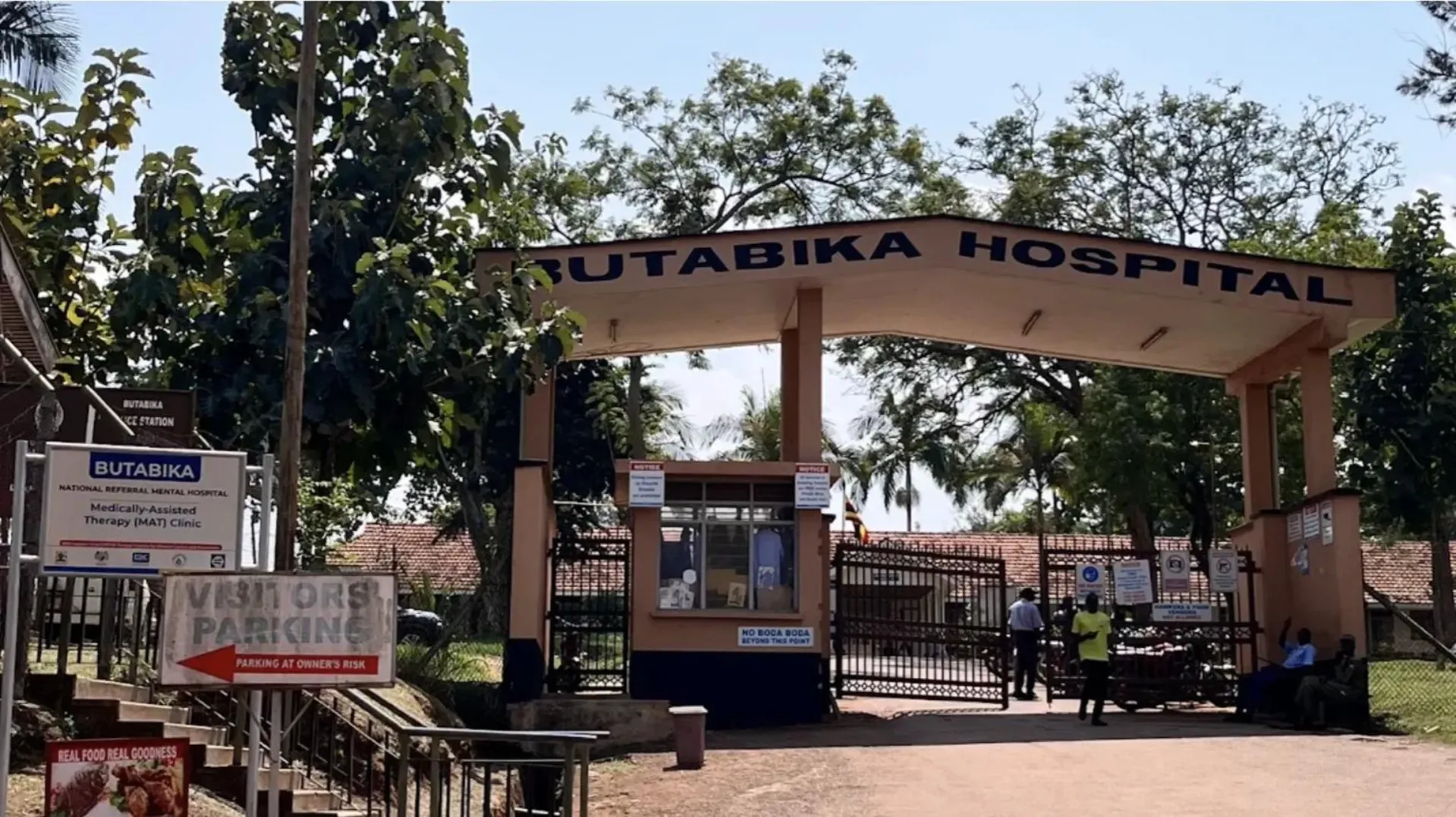
One of the biggest challenges facing patients is the concentration of specialised mental health services in a small number of hospitals, particularly Butabika National Referral Mental Hospital in Kampala.
For people living in rural districts and remote communities, accessing specialist treatment can involve travelling long distances, creating additional financial and logistical difficulties.
Decentralising services would allow more patients to receive initial assessment, treatment, counselling and follow-up care closer to where they live.
Experts argue that mental healthcare should be integrated into primary healthcare facilities rather than treated as a service available only at specialised psychiatric hospitals.
This would also help identify conditions earlier, improve continuity of treatment and reduce the pressure on national and regional referral facilities.
The proposed approach requires trained healthcare workers, reliable supplies of essential medicines, appropriate referral systems and sufficient funding to support services beyond major urban centres.
Without these investments, decentralisation risks remaining a policy ambition rather than a practical improvement in access to treatment.
Butabika hospital struggles with rising patient numbers
The growing demand for psychiatric services is already placing pressure on Uganda’s principal mental health referral institution.
Dr Juliet Nakku, executive director of Butabika National Referral Mental Hospital, has warned that the facility is operating beyond its capacity as increasing numbers of patients seek treatment.
She said the growing willingness of people to seek professional help was encouraging because it suggested greater awareness and reduced stigma. However, the demand was also exposing serious weaknesses in the country’s mental healthcare infrastructure.
The hospital needs additional infrastructure and mental health beds to accommodate patients requiring specialised treatment.
The pressure on Butabika reflects a wider structural problem: when specialised services are concentrated in a few institutions, those hospitals become the principal destination for patients who cannot obtain adequate support in their local communities.
Expanding mental health services at regional and district levels could help ease that pressure while making treatment more accessible.
Uganda faces a shortage of mental health professionals
Beyond infrastructure, Uganda is struggling with a shortage of trained professionals capable of diagnosing and treating mental health conditions.
A report by the Auditor General, highlighted in Daily Monitor’s investigation into the country’s mental health system, identified only 53 psychiatrists serving a population of millions.
That translates to approximately one psychiatrist for every one million people, leaving the country with limited specialist capacity.
The shortage is compounded by the uneven distribution of professionals, with many specialists concentrated in major referral hospitals rather than lower-level health facilities.
The audit also identified significant staffing and service-delivery weaknesses, including inadequate mental health personnel, medicines and equipment in several regional and district facilities.
Nursing shortages further complicate patient care. Butabika’s leadership has previously raised concerns about the workload facing mental health nurses, noting that the hospital’s staffing levels fall short of recommended patient-to-nurse ratios.
These gaps make it difficult to provide consistent treatment, monitor patients after discharge and offer the psychological support needed for long-term recovery.
The shortage also raises questions about whether Uganda is training and retaining enough mental health professionals to meet the needs of its growing population.
Mental health cases increase as funding and oversight remain concerns
The pressure on Uganda’s mental healthcare system is reflected in the number of cases recorded by health facilities.
According to the State of Uganda Population Report 2025, facility-reported mental health cases increased by 71 per cent between 2021 and 2024, rising from 494,326 to 843,295.
The increase highlights the growing demand for mental health services, although facility records do not necessarily capture every person experiencing a mental health condition, particularly those who never seek medical attention.
An audit of the government’s mental health interventions also identified weaknesses in financing, regulation, staffing and community outreach.
Between 2021 and 2023, only Shs1.1 billion of the Shs58.5 billion allocated to mental health activities was directed to the Ministry of Health’s Mental Health Division, which is responsible for coordinating implementation.
The audit further found that the Mental Health Act, enacted in 2019, had not been fully operationalised through the necessary regulations for community mental health integration and other treatment arrangements.
It also raised concerns about inadequate supervision of rehabilitation facilities, reporting that 216 unaccredited private rehabilitation centres were operating without the required oversight.
These findings point to a problem extending beyond the availability of hospital beds. Uganda must also strengthen the institutions responsible for regulating services, monitoring treatment standards and ensuring that public resources reach the people who need care.
Young people face growing mental health pressures
The mental health burden has particular implications for Uganda’s young population.
The State of Uganda Population Report 2025 estimates that 73.2 per cent of Ugandans are below the age of 30, making the wellbeing of young people central to the country’s long-term social and economic development.
The report also highlights the pressures facing young adults, including unemployment and exclusion from education and employment opportunities.
It estimates that 50.9 per cent of people aged 18 to 30 are not in employment, education or training, a situation that can contribute to economic insecurity, distress and uncertainty about the future.
Minister of State for Finance and Planning Amos Lugoloobi has described the country’s mental health burden as a silent emergency, warning that unemployment and underemployment are adding to the psychological pressures experienced by young people.
The challenge extends beyond employment. Substance misuse, domestic violence, social pressures and exposure to traumatic experiences can also contribute to mental health difficulties.
Experts say expanding access to early intervention, counselling and community-based support would help prevent some conditions from becoming more severe.
Schools, universities, workplaces and local communities could also play a greater role in identifying people who need professional assistance and connecting them to appropriate services.
Government plans to expand community-based mental healthcare
The Ministry of Health has acknowledged the need to strengthen mental health services as part of the country’s wider healthcare system.
During the launch of the State of Uganda Population Report 2025 in February 2026, Health Minister Jane Ruth Aceng said the government intended to integrate mental health services into primary healthcare and community-based systems.
The proposed measures include expanding the mental health workforce, increasing funding, improving public education and reducing the stigma that prevents people from seeking professional support.
Also Read: The silent mental health crisis among Kenyan men
The government has also called for coordinated action across sectors responsible for health, education, social development and local government.
Such coordination is important because mental health challenges cannot be addressed through hospitals alone. Prevention, early identification, social support and access to treatment all play a role in improving outcomes.
However, translating these commitments into measurable improvements will require sustained financing, trained personnel and stronger accountability for the delivery of services.
The challenge is turning policy commitments into accessible care
Uganda’s mental health crisis highlights a widening gap between the need for treatment and the services available to the population.
The estimates in the State of Uganda Population Report 2025, combined with rising facility-reported cases and concerns about staffing and infrastructure, suggest that existing services are under considerable pressure.
For people outside Kampala, the consequences of limited access can be particularly severe when specialist care is concentrated in a small number of institutions.
Decentralising treatment could help close that gap, but it will only succeed if lower-level health facilities have the professionals, medicines, equipment and referral systems required to provide meaningful support.
The government now faces the challenge of moving beyond awareness campaigns and policy commitments to deliver a mental healthcare system that reaches communities across the country.
For millions of Ugandans who may need professional support, the measure of reform will ultimately be whether treatment becomes affordable, accessible and available before conditions deteriorate into more serious health emergencies.
