


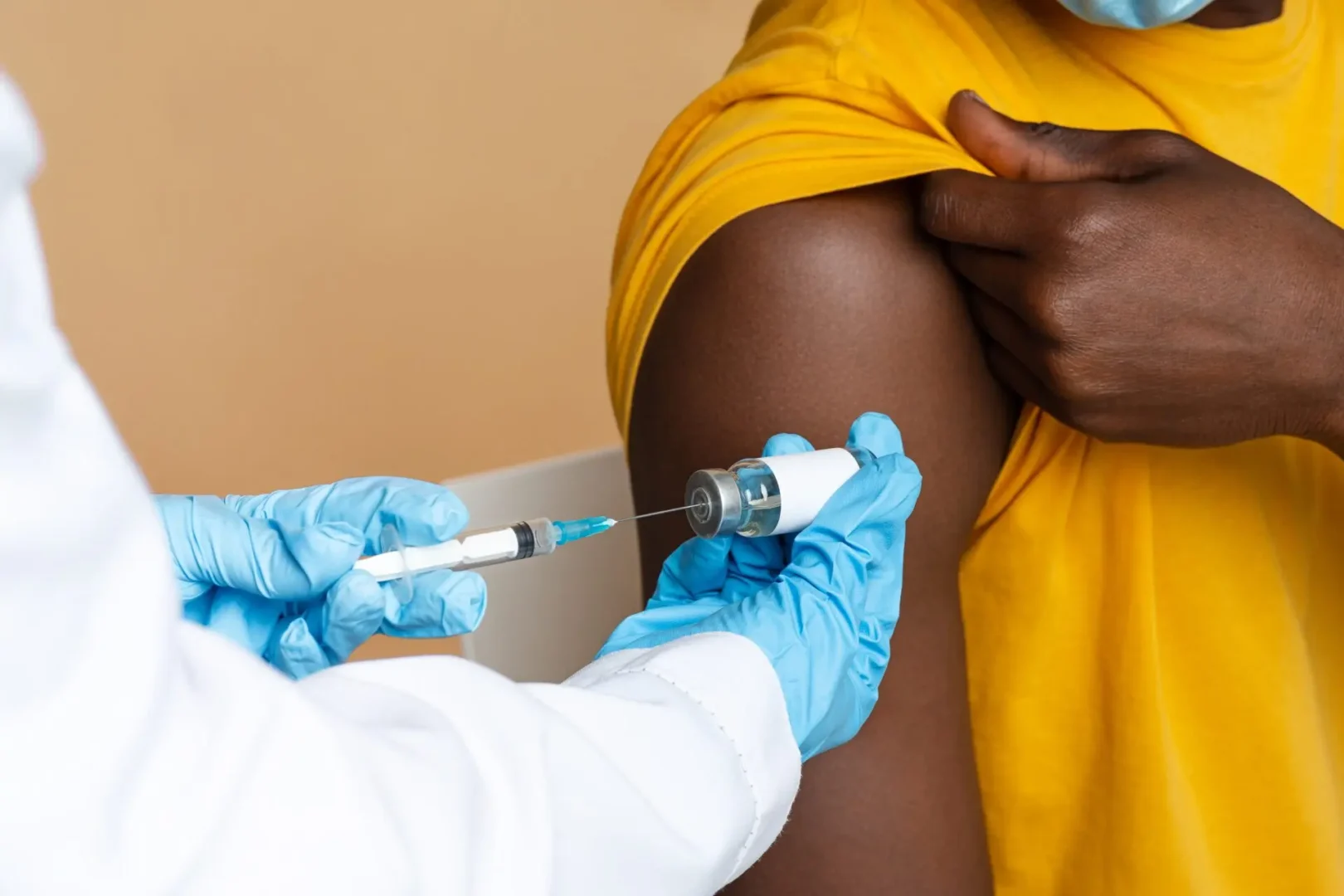
KAMPALA, Uganda — Demand for lenacapavir, a twice-yearly injection designed to prevent HIV infection, is exceeding available supplies in Uganda and Kenya, exposing the difficulties health authorities face in turning a promising medical breakthrough into a widely accessible prevention option.
Health officials and HIV prevention advocates from Uganda, Kenya and Malawi say the injection is attracting people who previously showed little interest in existing pre-exposure prophylaxis (PrEP) methods. However, limited stocks mean some patients are arriving at health facilities only to find that the medicine has already run out.
The emerging shortage is raising concerns about procurement planning, distribution and public confidence as the three countries work to introduce the new prevention technology.
Uganda’s Ministry of Health says doses can be exhausted within days of reaching facilities, with demand extending beyond the initial expectation that lenacapavir would mainly attract people already taking daily oral PrEP.
Dr Peter Mudiope, the ministry’s HIV Prevention Coordinator, said the response had been stronger than anticipated, including among people who had previously declined other forms of HIV prevention medication.
Speaking during a regional webinar on advancing access to lenacapavir in Kenya, Malawi and Uganda, Mudiope said the experience had demonstrated the need to coordinate public awareness campaigns with the availability of supplies.
Uganda’s rollout struggles to keep pace with demand
Uganda introduced lenacapavir on April 17, 2026, but the initial launch exposed the scale of interest in the injection.
Mudiope said the facility involved in the launch had received only 20 doses, which were quickly exhausted despite the need to reserve supplies for patients requiring subsequent doses.
“When we launched PrEP on April 17 this year, we had only 20 doses for the site, and they got finished. Yet we had to reserve the doses for the next six months. We had to call the hospital to come to the launch place. That’s when we realised that we had to promote it as an option, not as LEN,” he said.
The Ministry had initially expected the injection to appeal mainly to people already using oral PrEP who wanted a less frequent alternative.
However, the rollout revealed a different pattern: some people who had previously rejected available prevention methods were now willing to consider PrEP because of the six-monthly injection.
“Our initial assumption was to switch people from oral PrEP to LEN, those who were willing. But we realised that some people are not willing to leave oral PrEP. So we have to respect that in the demand generation. But also, the demand generation has created an opportunity for people who are not willing to use any form of PrEP because of the new choice. We are seeing that there are many more new users of PrEP in the country,” Mudiope said.
Uganda currently has 103 facilities providing lenacapavir, with additional supplies expected in December 2026.
The Ministry is preparing to expand the number of facilities offering the injection, with a target of increasing coverage from 103 to 300 sites by December.
Mudiope said the next supplies would be directed towards regions and facilities with large populations of people already accessing oral PrEP, as the government attempts to manage demand while extending availability.
“We are having a lot of requests for initiation. We are having more doses coming in December, and we are preparing for additional sites. We are managing the demand, first of all, by prioritising the regions and facilities that have very high populations of people taking up oral PrEP,” he said.
The expansion will depend not only on the number of facilities designated to provide the medicine but also on whether procurement and distribution can deliver sufficient doses to those locations.
Why lenacapavir is attracting new users
Lenacapavir is a long-acting antiretroviral medicine administered by injection twice a year for HIV prevention.
Unlike daily oral PrEP, which requires users to take medication regularly, the six-monthly schedule reduces the frequency of dosing and may offer an alternative to people who face difficulties with daily medication, frequent clinic visits or concerns about stigma.
The World Health Organization (WHO) recommended lenacapavir in July 2025 as an additional HIV prevention option, recognising its potential to widen access to PrEP and improve uptake among people who prefer longer-acting methods.
The recommendation places lenacapavir within combination HIV prevention programmes rather than treating it as a replacement for existing methods.
The distinction matters because prevention needs vary. Some people may prefer a daily pill, others may choose an injection, while others may find a vaginal ring or condoms more suitable.
Uganda is therefore encouraging people to continue considering other available PrEP options while supplies of lenacapavir remain limited.
These include daily oral PrEP, the dapivirine vaginal ring and injectable cabotegravir, which is administered every two months.
Mudiope said health officials were also considering how the different long-acting products should fit into the national prevention programme, including whether cabotegravir should continue alongside lenacapavir or be reserved for particular circumstances.
The policy question is increasingly important as the introduction of a highly sought-after product risks drawing attention and resources away from other proven prevention methods.
Community trust becomes another challenge
Beyond procurement, health officials and community organisations say the rollout will depend on whether people receive reliable information about where the injection is available and what alternatives they can use when stocks run out.
Kenneth Mwehonge, Executive Director of HEPS Uganda, said introducing lenacapavir required more than awareness campaigns.
He called for investment in trusted community structures that can address misinformation, reduce stigma and connect people interested in PrEP with health facilities.
Under a community engagement project, HEPS worked with local governments, health facilities and communities to identify and train 246 community resource persons drawn from 115 PrEP implementation sites.
The initiative also trained 27 national trainers, including Ministry of Health personnel.
Mwehonge said the approach relied on people already trusted within their communities rather than creating separate structures that could become difficult to sustain after donor-supported projects ended.
“Communities believe in their peers, and those are the ones, once equipped with the right information, who support in addressing stigma and misinformation. So it has to be a trusted voice within the community,” he said.
The community resource persons received referral forms to link interested individuals with health facilities. They also gathered feedback on how clients responded to different prevention products.
Mwehonge said the project deliberately promoted a range of HIV prevention methods instead of presenting lenacapavir as a substitute for all existing options.
“Keeping prevention as a choice is important. We are not only promoting one product, but we are promoting several, all available proven products alongside LEN, which is the newest baby. But we promoted choice,” he said.
The project also supported revisions to Uganda’s PrEP communication strategy to incorporate lenacapavir alongside other prevention methods. The Ministry’s communication department reviewed the materials before they were submitted to the Uganda AIDS Commission for clearance.
Mwehonge said integrating community mobilisation into existing health structures would be important for maintaining outreach after short-term projects end.
Kenya faces similar shortages and growing expectations
Kenya’s experience reflects many of the same challenges, with health facilities struggling to maintain supplies as more people seek the injection.
Patricia Jeckonia, Programme Manager for Policy, Advocacy and HIV Prevention at LVCT Health, said the introduction of newer prevention products had also exposed gaps in public awareness about the different methods available.
She said Kenya’s communication campaign was deliberately designed around the wider concept of PrEP choice rather than focusing exclusively on lenacapavir.
The approach followed concerns that the arrival of newer products was affecting uptake of oral PrEP, while some people remained unaware of injectable cabotegravir and the dapivirine vaginal ring.
“When we were starting the CASPER project, Kenya had already rolled out Lenacapavir, and so we were already starting to see a decrease in uptake of oral PrEP. We rolled out Lenacapavir at the same time as CAB-LA, and people seemed not to know anything about CAB-LA. Also, we had a few facilities that had a dapivirine ring, and again, a number of people were not even aware of it,” she said.
The programme involved developing communication messages with adolescent girls and young women, pregnant and breastfeeding women, adolescent boys and young men, and other priority populations.
It also worked with social media influencers identified by target communities as trusted sources of information.
However, the rapid exhaustion of lenacapavir stocks has complicated efforts to manage expectations.
Jeckonia said supplies could disappear within two or three days of reaching some facilities, leaving people who had responded to awareness campaigns unable to access the injection.
“Every time you had LEN in a facility, it would take two to three days, and it’s over. So that continued. But our demand generation was also very targeted to the counties that were prioritised and around facilities that were providing PrEP choice,” she said.
The resulting frustration, she added, risks weakening relationships between communities and health providers when people are encouraged to seek a service that is not consistently available.
“Because Lenacapavir would run out very, very quickly, it’s been a bit difficult even just managing that community trust. They keep telling you, you told us these products are here, but we are coming, and we cannot find them,” Jeckonia said.
She urged health programmes to communicate stock shortages promptly and ensure health workers can explain which alternative prevention methods are available.
“Even when there is not yet enough supply, it is very important to empower communities with the right information so that they are aware of what’s available. We give all of the information, but inform them that their supply is not yet enough for now. It’s being rolled out. However, we are also promoting the other options,” she said.
Jeckonia argued that demand generation should be built into product introduction plans from the beginning, alongside procurement and distribution arrangements.
“Demand generation should not be an afterthought. It should be at the very beginning when we are thinking about availability of the product. We should be thinking about how people will know and invest in it,” she said.
Malawi warns against creating demand that cannot be met
Malawi’s experience has reinforced the importance of matching public awareness campaigns to the actual capacity of health facilities.
Simon Sikwese, Executive Director of Pokachere, said the country adopted a phased approach to distributing communication materials to avoid creating demand in districts where lenacapavir was not yet available.
He warned that poorly coordinated campaigns could leave communities disappointed and undermine confidence in health programmes.
“Ensure that you don’t create demand that you cannot meet. You must look at, for example, in the case of Lenacapavir, how much Lenacapavir you are receiving and how much demand you should create to make sure that you are not exciting people and then, in the end, they don’t access the Lenacapavir,” Sikwese said.
The three countries’ experiences point to a common challenge: the success of a new health technology depends not only on its medical effectiveness but also on the systems responsible for making it accessible.
Generic versions could change the cost equation
The supply challenge may ease as generic versions of lenacapavir move closer to market, potentially reducing the cost of expanding access in lower-income countries.
A November 2026 HIV market report by the Clinton Health Access Initiative (CHAI) said the first generic injectable versions were expected to reach countries before the end of the year at an estimated price of US$40 per person per year.
The report said Dr Reddy’s Laboratories had received tentative approval from the United States Food and Drug Administration for the first generic version, while generic supply was expected to play a central role in expanding access.
Also Read: No more daily pills: Kenya launches new HIV prevention injection requiring only 2 doses a year
The projected price is significant because affordability has been one of the major barriers to scaling up newer long-acting HIV prevention products.
However, the expected generic price should not be mistaken for a confirmed retail price in Uganda or Kenya. Actual access will depend on regulatory approvals, procurement agreements, funding and the ability of manufacturers and health programmes to deliver sufficient quantities.
CHAI’s report also highlighted the scale of early demand, recording approximately 175,000 new lenacapavir initiations across nine low- and middle-income countries as of October 2026, with demand already exceeding supply.
That makes generic production an important development, although cheaper medicine alone will not resolve distribution gaps, facility readiness or the need for trained health workers.
Regional coordination will shape the next phase
The regional webinar, convened under the Advancing Access to LEN for PrEP initiative, brought together government officials and implementing partners from Uganda, Kenya and Malawi to assess how community engagement could support the introduction of new HIV prevention technologies.
Warren Mitchell, Executive Director of AVAC, said the initiative was designed to examine practical approaches that governments, communities and implementing partners could use to improve awareness and access.
“We’ve been working with three partners in Kenya, Malawi and Uganda, and these have partnered closely with the ministries of health to test practical approaches to demand generation and community engagement. And today we’ll hear what they have tried, what they have learned, and what those lessons mean for scale-up,” Mitchell said.
Mudiope called for the three countries to develop a shared communication toolkit that could be adapted by other countries introducing lenacapavir.
The proposal reflects a wider need for regional cooperation as governments seek to introduce long-acting prevention products while working with limited resources and competing public health priorities.
For Uganda, the immediate test will be whether the additional supplies expected in December can support its planned expansion to 300 facilities. Kenya faces a similar challenge in keeping clinics supplied and ensuring that people are not turned away without clear guidance on alternatives.
Ultimately, the success of lenacapavir’s rollout will be measured not simply by how many people hear about the injection or how many facilities are listed as providers, but by whether eligible people can reliably access it when they need it.
The new medicine has expanded the choices available in HIV prevention. Ensuring that those choices remain available, affordable and supported by trusted health services is the next challenge.
