


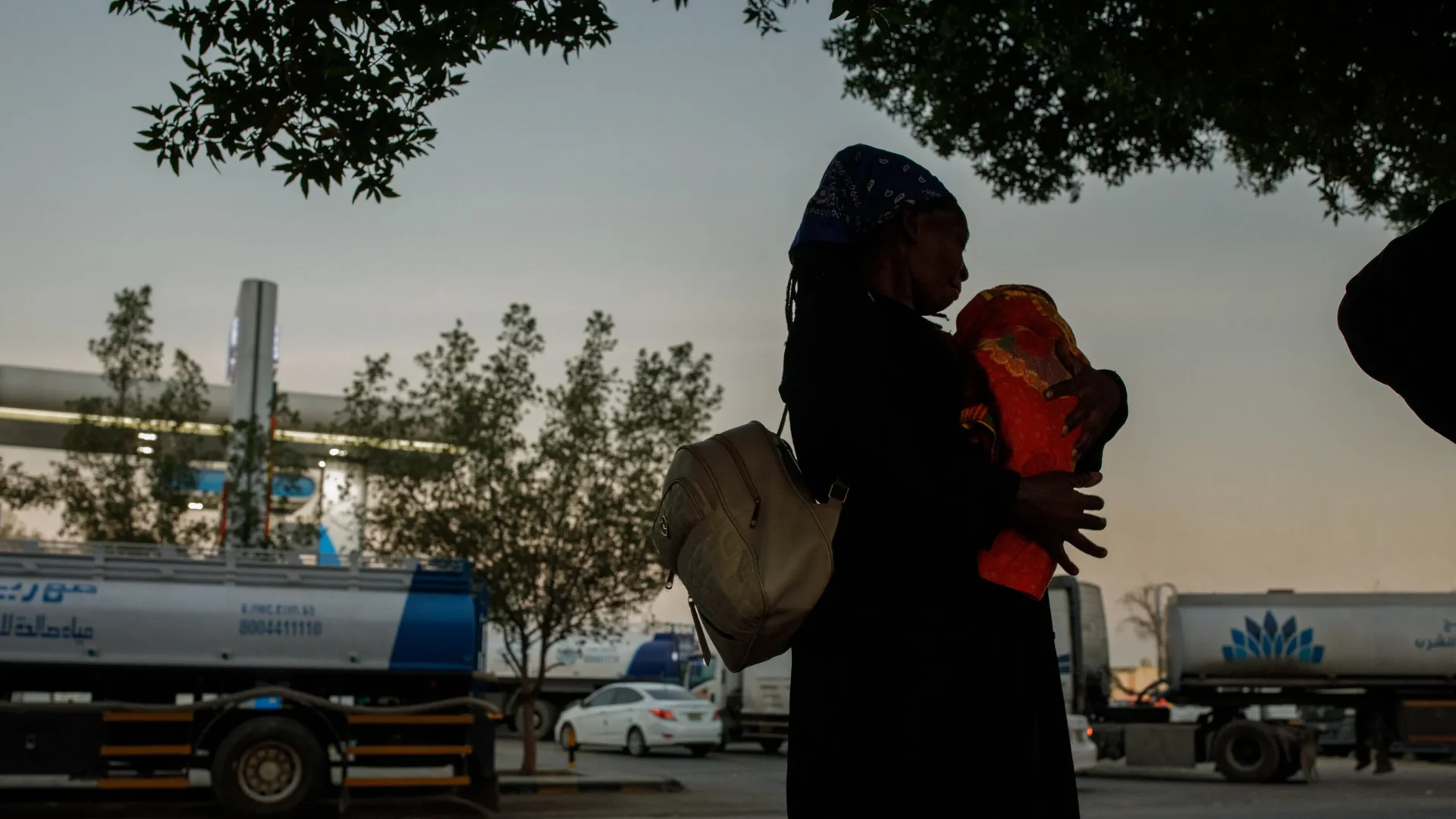
RIYADH, Saudi Arabia — A Kenyan domestic worker in Saudi Arabia has been sentenced to 100 lashes after being convicted of having sex outside marriage, following a pregnancy that left her stranded in the Gulf country with her young child.
The woman, identified as Esther Wanja Muthoni, 40, was found guilty by a three-judge criminal court in Riyadh in October 2026, according to an investigative report published by The New York Times on Tuesday, November 10.
Muthoni’s conviction marks another troubling case involving the treatment of vulnerable migrant workers in Saudi Arabia, where unmarried foreign women can face criminal proceedings after becoming pregnant.
According to the investigation, Muthoni was legally employed as a domestic worker through Maharah Human Resources, a Saudi-based recruitment company, when she became pregnant following a brief relationship with an Egyptian man.
She gave birth to a baby boy, Abudy, in August 2025 while staying in staff accommodation.
Her supervisor reportedly discovered the mother and newborn before taking them to hospital, where police detained Muthoni for questioning about the pregnancy.
The child’s father had reportedly left Saudi Arabia, leaving Muthoni to navigate the situation alone.
Following her detention, she was unable to return to her accommodation and was left without stable shelter. She subsequently found herself living at a petrol station in Riyadh with her infant son as she struggled to secure assistance and arrange their return to Kenya.
The case eventually resulted in criminal proceedings, with the court finding her guilty of having sexual relations outside a legally recognised marriage.
Under Saudi Arabia’s legal system, sexual relations outside marriage are criminalised under interpretations of Islamic law, commonly referred to as zina.
Muthoni’s case has drawn attention to the risks faced by unmarried migrant women who become pregnant in the kingdom, particularly domestic workers who may have limited access to legal representation, social protection and consular assistance.
The court sentenced her to 100 lashes, a punishment that has raised fresh questions about Saudi Arabia’s judicial reforms and its continued use of corporal punishment.
In 2020, Saudi Arabia announced restrictions on judicial flogging, a move widely interpreted as part of broader efforts to modernise its justice system. However, the reforms did not eliminate flogging in every category of offence, leaving exceptions for certain crimes under traditional interpretations of Islamic law.
Muthoni reportedly had access to a court translator but did not have a lawyer to represent her during the proceedings.
She also decided not to appeal the judgment, saying her priority was to return home to her other children in Kenya.
Speaking to The New York Times in a telephone interview, she expressed fear about the punishment awaiting her.
“I am so afraid,” she said. “I don’t think I can endure those lashes.”
The court also sentenced her to one year of banishment, although it remains unclear whether this will result in her deportation to Kenya or relocation to another Saudi city.
The investigation further revealed that Muthoni’s employer subsequently provided her with accommodation, while Kenyan authorities facilitated the issuance of travel documents to enable her return home.
Also Read: State of betrayal: How Kenya’s leaders profit from the abuse of workers in Saudi Arabia
However, she could not leave Saudi Arabia while the criminal proceedings were ongoing. Her exit documents have since expired, leaving her uncertain about when she and her son will be allowed to return to Kenya.
The judgment has also raised questions about accountability, particularly because the court ruling did not indicate that authorities had pursued the child’s father over the relationship.
Muthoni’s case comes amid wider concerns about the treatment of East African domestic workers in Saudi Arabia, including allegations of labour exploitation, abuse, unpaid wages and difficulties accessing diplomatic assistance.
It also highlights the challenges facing migrant mothers whose children encounter documentation barriers, potentially leaving them unable to access essential services or travel out of the country.
For Muthoni, the immediate uncertainty remains whether the 100 lashes will be carried out, when she will be allowed to leave Saudi Arabia and whether she can finally reunite with her family in Kenya.
