


NAIROBI, Kenya — Kenya has confirmed a second case of Bundibugyo Ebola virus disease, but the circumstances surrounding the infection offer an important early indication of how contact tracing and quarantine can help public health authorities identify cases before they lead to wider transmission.
In a press release dated October 14, 2026, the Ministry of Health said the patient, a 39-year-old man and close family member of Kenya’s first confirmed case, was already in quarantine and undergoing daily monitoring when he developed symptoms on October 13.
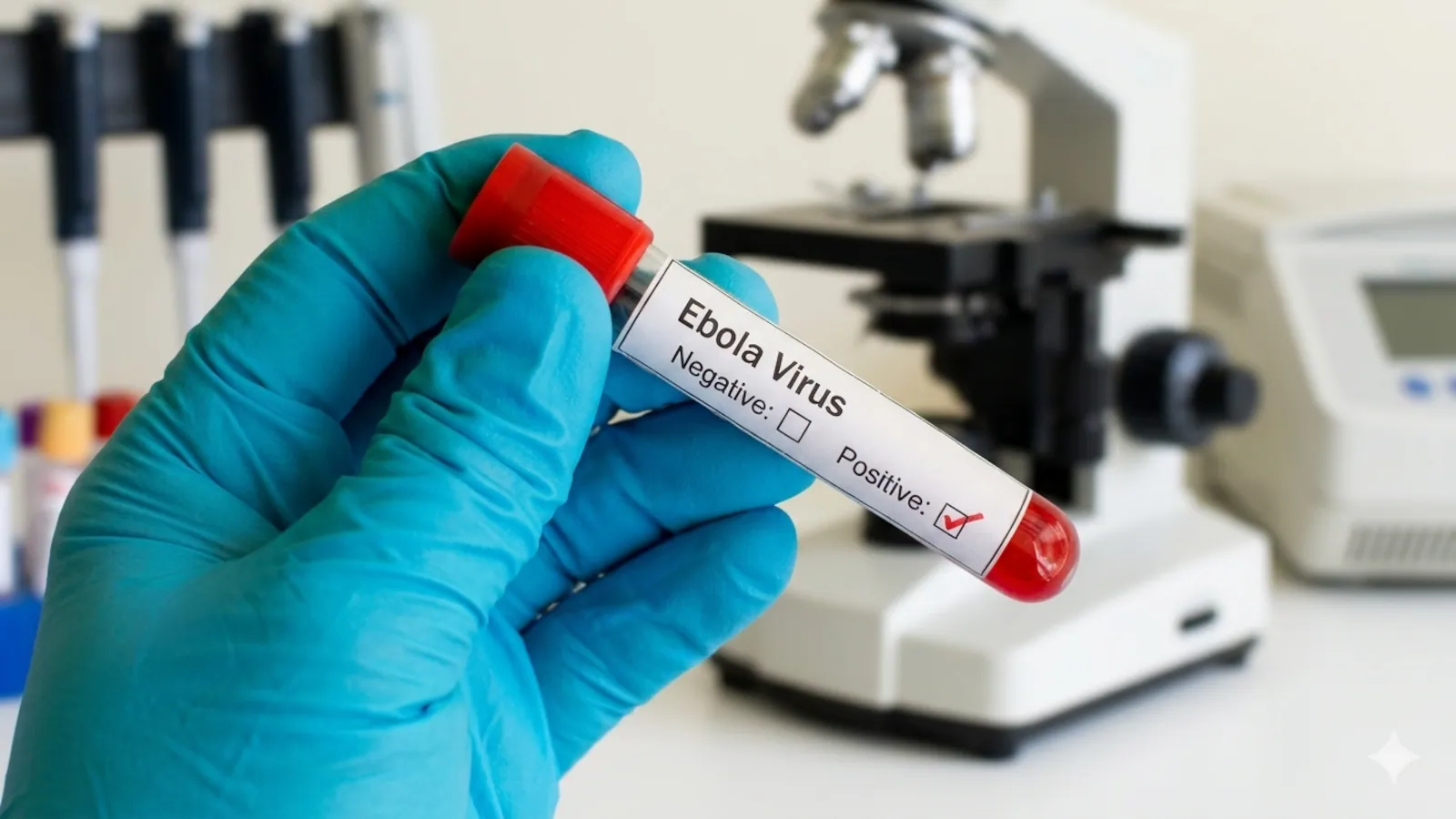
The patient reported fever, fatigue and joint pains. Health teams isolated him, collected a specimen and obtained positive results from both the National Virology Reference Laboratory and the Kenya Medical Research Institute-CDC laboratory. He has been transferred to a designated treatment centre for supportive care.
Kenya has now recorded two confirmed cases and one death, according to the ministry.
The second diagnosis changes the country’s epidemiological picture, but it also demonstrates why contacts of confirmed cases must be monitored even when they initially appear healthy. The infection was detected after the patient developed symptoms, allowing health workers to respond without waiting for him to seek care independently.
The ministry says there is currently no evidence of wider community transmission. That assessment is encouraging, although investigations remain ongoing and the authorities have begun identifying people who may have been exposed to the second patient.
A second case does not automatically mean the response has failed
The confirmation of another infection may appear to undermine earlier assurances that Kenya had detected no additional cases.
In reality, the latest development illustrates an important distinction in outbreak management: preventing every infection is not always immediately possible, but identifying infections quickly and interrupting further transmission can limit their impact.
The second patient was a known contact of the first case. According to the ministry, he was already under quarantine and daily observation when symptoms emerged.
That is precisely the situation contact tracing is designed to manage. People exposed to an infected individual may develop symptoms after an interval during which they appear well. Monitoring allows health workers to recognise changes promptly, isolate suspected cases and arrange testing before further contacts are exposed.
The ministry described the development as evidence that the response was working as intended. The more measured conclusion is that the case demonstrates the value of surveillance and quarantine, while the effectiveness of the overall response will depend on whether authorities can prevent additional transmission.
The second patient’s condition and the results of ongoing investigations will be important indicators in the days ahead.
Contact tracing faces a growing workload
Kenya’s Ministry of Health said it had listed 128 contacts associated with the first case. By October 13, 113 had been traced. Of those, 108 were in quarantine in Kenya and undergoing daily clinical and temperature checks for 21 days from their last possible exposure.
The other five contacts were outside Kenya, and health authorities in the countries concerned had been notified under the International Health Regulations. Tracing efforts for the remaining 15 contacts were continuing.
Authorities are also assessing people who may have come into contact with the second patient since his symptoms began, including quarantine personnel and healthcare workers.
These figures show both the scale of the response and the work that remains. Contact tracing is not simply a matter of compiling names. Investigators must establish where people travelled, identify close interactions, communicate with those exposed and maintain follow-up for the appropriate period.
The international dimension adds another layer of complexity. When contacts are located in other countries, national health authorities must exchange information quickly and coordinate monitoring without unnecessary delays.
The ministry has said that anyone who develops symptoms during follow-up will be isolated and tested immediately. It has also reported strengthened infection-prevention measures at quarantine and treatment facilities, including the provision of protective equipment to health workers.
The critical question is whether those measures can be sustained as the investigation expands.
Why the development matters to Uganda
The case has particular relevance for Uganda because the first patient travelled from the Democratic Republic of Congo (DRC) through Kampala before arriving in Nairobi.
The World Health Organization confirmed on October 6 that Kenya’s first imported case involved a patient who had travelled from the DRC to Kampala by road before flying to Nairobi on October 3. The patient was subsequently hospitalised, tested positive for Bundibugyo virus and died on October 5.
WHO said public health response measures, including contact tracing, were initiated in both Kenya and Uganda.
The second case does not, by itself, establish that Ebola transmission occurred in Uganda. Kenya’s health ministry has linked the two confirmed infections, and the available information does not demonstrate that the second patient was infected in Uganda.
Nevertheless, the first patient’s journey highlights the challenges facing health authorities in a region where people routinely cross borders for trade, work, family commitments and medical treatment.
Border screening is an important safeguard, but it cannot identify every infected person in every circumstance. The effectiveness of regional preparedness also depends on whether healthcare workers recognise symptoms, whether travel histories are recorded accurately, whether suspected cases are tested promptly and whether authorities can trace contacts across jurisdictions.
For Uganda, the appropriate response is therefore continued vigilance and cooperation with Kenya and the DRC—not assumptions that the second Kenyan case signals renewed transmission on Ugandan territory.
Uganda previously reported 20 confirmed cases during the earlier phase of the outbreak, including two deaths, before the outbreak was declared over in August 2026. WHO reporting documented both imported infections and secondary transmission among contacts and healthcare workers during that episode.
That experience makes the current situation a reminder that preparedness must continue even after an outbreak has been declared over. Surveillance systems, trained personnel, laboratory capacity and community awareness cannot be rebuilt overnight once a new imported case appears.
The limits of quarantine and the importance of public trust
Quarantine can help prevent transmission by separating people who may have been exposed while health workers monitor them for symptoms. But its effectiveness depends on public cooperation, clear communication and consistent implementation.
People need to understand why they are being monitored, how long the process lasts, what support is available and what will happen if symptoms develop. If quarantine is viewed as arbitrary or punitive, people may be less willing to disclose contacts or follow official instructions.
Protecting the privacy of affected families is also important. The ministry has urged the public to avoid speculation and rely on official updates. Such appeals are particularly relevant during outbreaks, when unverified reports can cause fear, stigmatise individuals and undermine public health work.
The ministry says Ebola is not spread through the air; transmission occurs through direct contact with the blood or body fluids of a person who is sick with the disease or has died from it. It advises anyone experiencing symptoms such as fever, unusual tiredness, muscle or joint pain, vomiting, diarrhoea or unexplained bleeding to seek prompt medical attention.
The public should not attempt to diagnose Ebola from symptoms alone, since several illnesses can produce similar signs. Anyone concerned about possible exposure should contact health authorities and follow their instructions.
The ministry has provided the toll-free information line 719 for public enquiries.
No travel restrictions, but surveillance must continue
Kenya says it remains open to travel, trade and public gatherings, with no general restrictions imposed following the second confirmed case.
That position reflects the need to manage the public health risk through targeted measures while avoiding unnecessary disruption to economic and social activity. Any broader restrictions would need to be assessed against the evolving epidemiological evidence and relevant public health guidance.
The ministry said the response is being coordinated through a single national command and is guided by the Public Health (Declaration of Formidable Epidemic Disease) Order, 2026 and the Public Health (Ebola Disease) Rules, 2026. It also confirmed that WHO had been notified in accordance with the International Health Regulations.
Also Read: DR Congo Ebola cases surpass 9,000 as death toll rises to 4,381
Those arrangements provide a framework for coordinating case management, surveillance and communication. Their effectiveness will ultimately depend on implementation, information sharing and the ability to respond quickly to new alerts.
The second case also reinforces the importance of protecting healthcare workers, who may face exposure while assessing or treating patients. Strict infection-prevention procedures must be applied consistently, including when patients initially present with symptoms that could be mistaken for other conditions.
What happens next?
The immediate priorities are to monitor the second patient, complete contact tracing, maintain daily follow-up of those already identified and investigate any new symptoms without delay.
The 21-day monitoring period applies to contacts according to the timing of their last possible exposure. It should not be confused with the separate criteria used to determine when an outbreak can be declared over.
The absence of evidence of wider community transmission is a positive development, but it remains a finding that could change as investigations progress. Authorities will need to communicate new results promptly and distinguish confirmed information from preliminary assessments.
For Uganda, Kenya and the DRC, the case demonstrates why cross-border health coordination must remain active even when one country has brought an earlier outbreak under control.
Kenya’s second confirmed infection is a serious development, but the fact that the patient was already quarantined offers a practical lesson: surveillance can make the difference between detecting a case through routine monitoring and discovering it only after additional people may have been exposed.
The response has reached a critical stage. Early detection has provided an opportunity to limit further transmission; the challenge now is to ensure that contact tracing, clinical care and regional cooperation are strong enough to make that opportunity count.
