



NAIROBI, Kenya — For much of June, President William Ruto’s three-day State Visit to South Africa was viewed through familiar diplomatic lenses: trade agreements, investment opportunities, regional cooperation and the symbolism of two of Africa’s most influential economies strengthening ties.
A month later, the visit has acquired an entirely different significance.
What was initially presented as a routine exercise in statecraft has now become part of South Africa’s defence against accusations that it is increasingly isolated on the continent over recurring xenophobia concerns and tensions involving foreign nationals.
The shift reflects a broader battle over perception, diplomacy and South Africa’s standing in Africa at a time when questions about the treatment of migrants have again moved to the forefront of public debate.
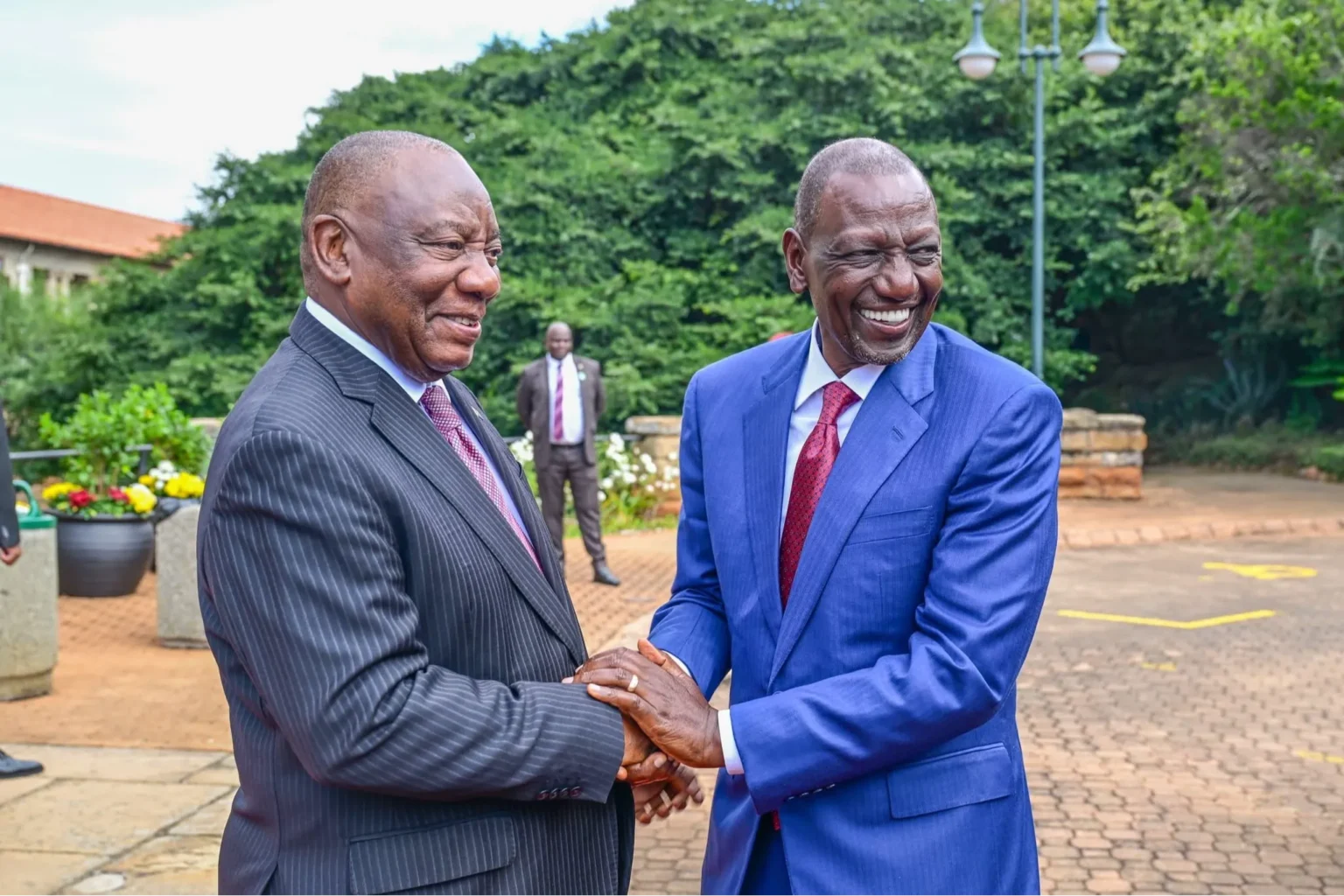
At the centre of that defence is an image that Pretoria appears keen to highlight: President Ruto being welcomed with full state honours in June.
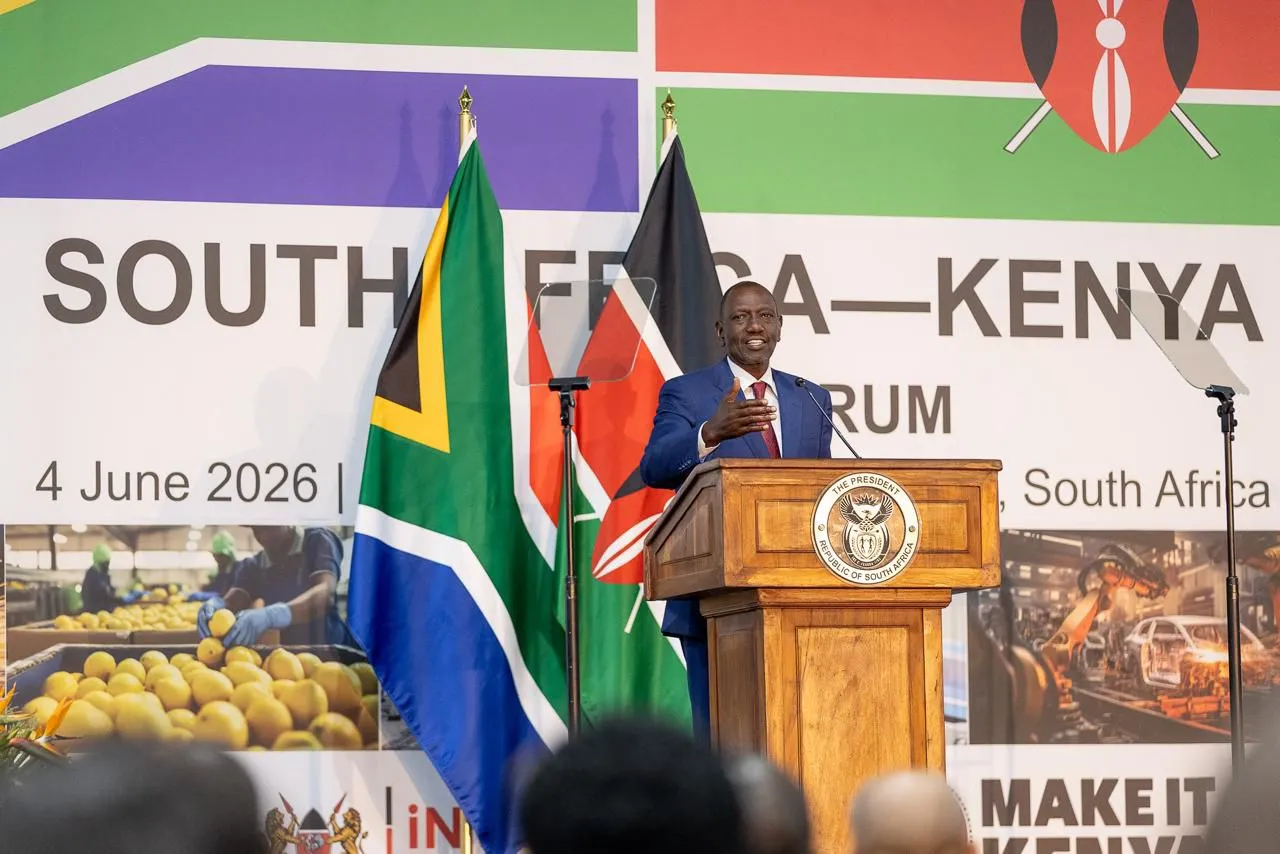
For South African officials, the visit demonstrates that the country remains deeply connected to its neighbours despite criticism surrounding anti-immigrant sentiment.
For critics, however, it raises a more uncomfortable question: can strong diplomatic ties between governments coexist with growing concerns among ordinary migrants who say they no longer feel safe?
A diplomatic rebuttal
The issue surfaced publicly during a briefing by President Cyril Ramaphosa’s office, where Presidential Spokesperson Vincent Magwenya pushed back against suggestions that South Africa had become a “pariah state” as a result of xenophobia-related allegations.
The government insisted that it had consistently condemned attacks targeting foreign nationals and remained actively engaged with countries across the continent.
“Recent evidence shows that this is a false campaign. South Africa is not isolated. On the contrary, South Africa remains firmly engaged with our African continent and the rest of the world,” he said.
Magwenya also accused unnamed diplomatic representatives of spreading misinformation designed to create the impression that South Africa had been shunned by fellow African nations.
The response underscores how sensitive the issue has become for Pretoria.
South Africa has long projected itself as a continental leader, playing prominent roles in regional diplomacy, conflict resolution and economic integration. Suggestions that it has become isolated therefore strike at the heart of its foreign policy identity.
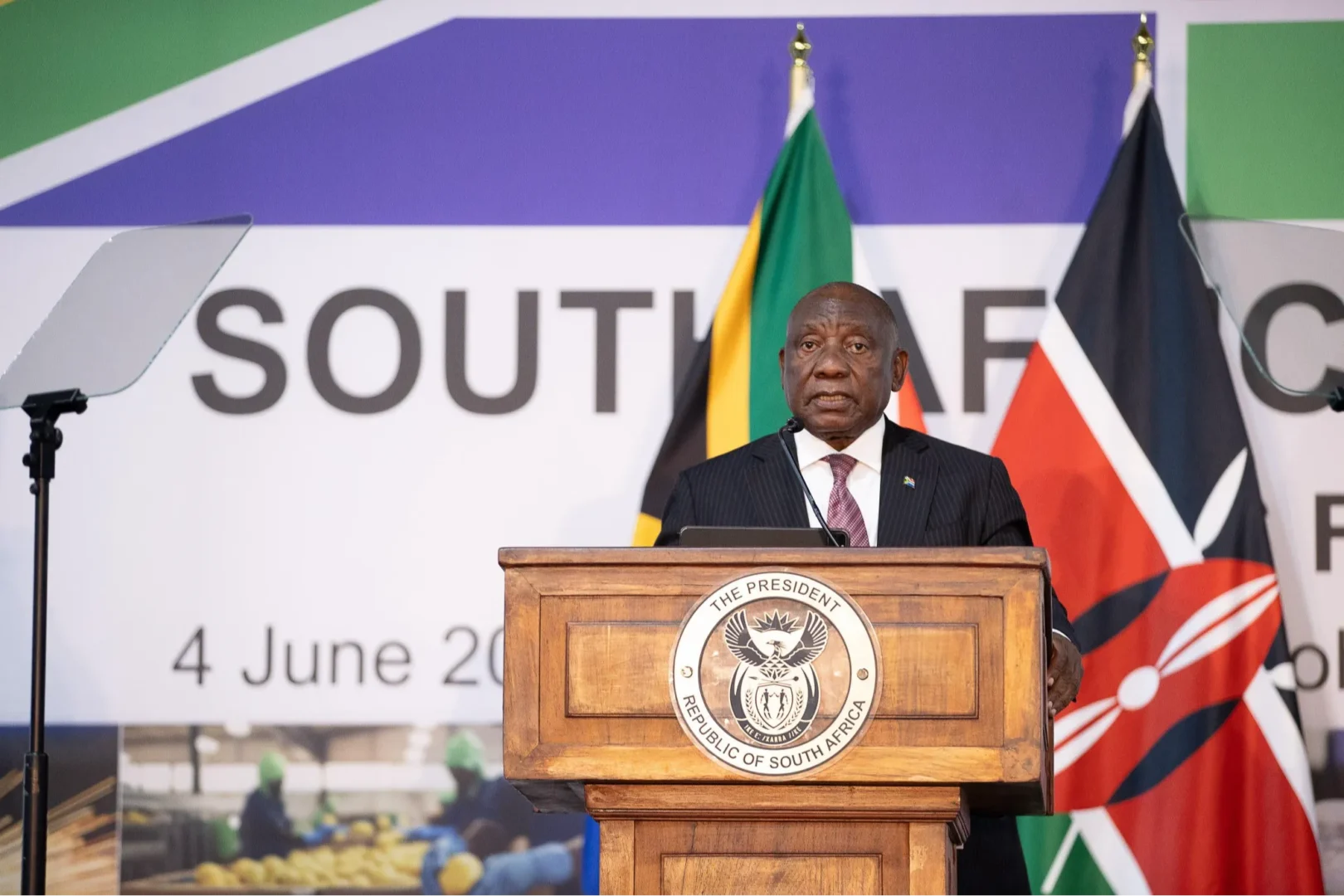
To counter that narrative, officials have chosen to point to recent diplomatic engagements — and Ruto’s June visit features prominently among them.
The visit that became political evidence
When Ruto landed at Waterkloof Air Force Base on June 3, much of the attention in Kenya focused on a different controversy.
His arrival aboard a privately chartered Boeing sparked renewed debate over the government’s continued use of leased aircraft for official travel.
Yet beyond the aviation debate, the visit reflected the strategic importance both Nairobi and Pretoria attach to their relationship.
Ruto and Ramaphosa held bilateral talks covering trade, investment, regional security and political cooperation. The Kenyan president also attended a Kenya-South Africa Business Forum aimed at deepening commercial ties between the two countries.
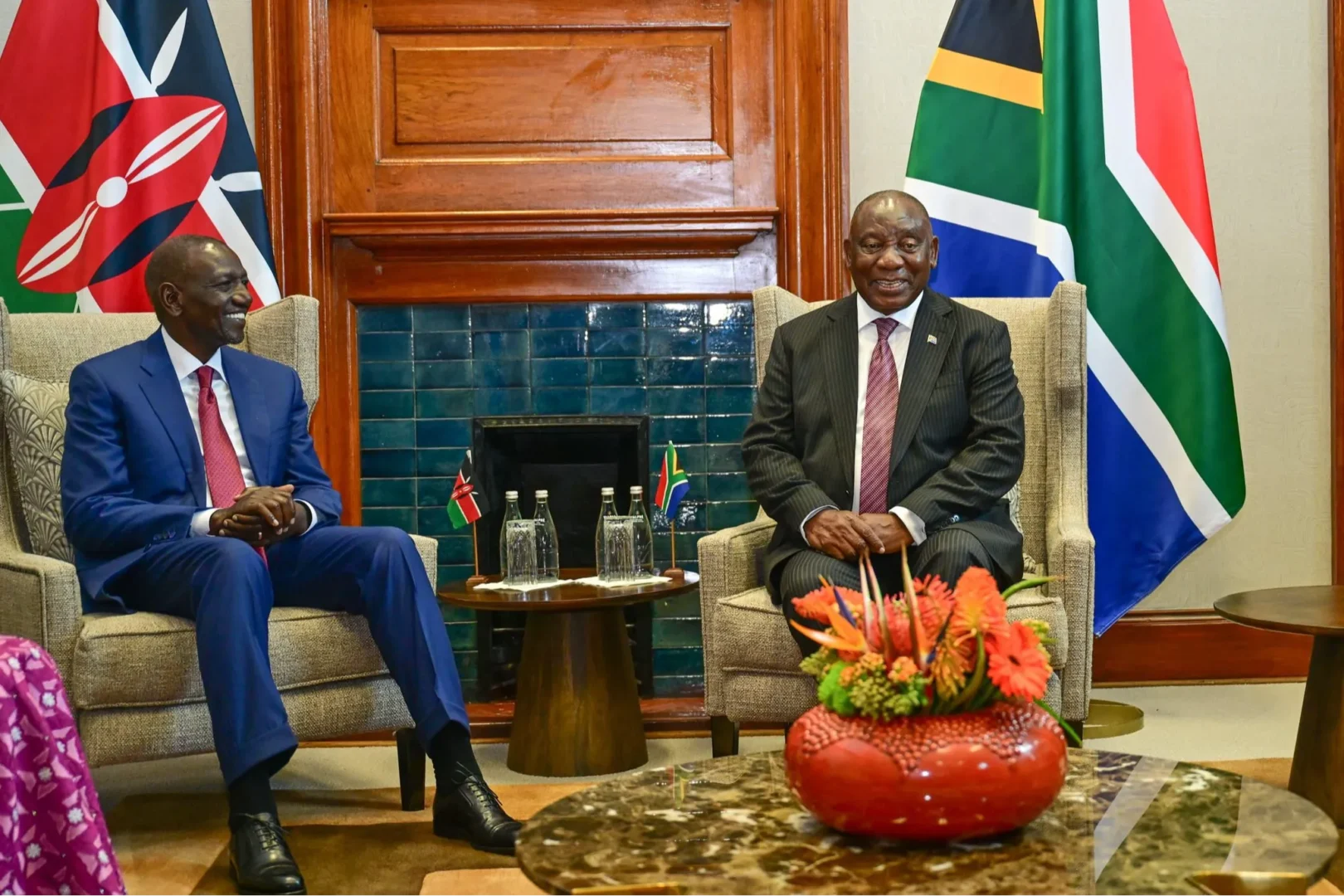
At the time, the visit appeared consistent with the long-standing relationship between Kenya and South Africa.
Today, however, South Africa is presenting it as evidence of something larger.
Magwenya noted that Ruto’s visit formed part of a broader diplomatic programme that has seen Ramaphosa engage several African leaders in recent months.
“Since the beginning of this year to date, President Ramaphosa has engaged with various leaders on the African continent, hosting President Ruto on a state visit and discussing issues of migration with the Presidents of Malawi, Mozambique and Zimbabwe,” said Magwenya.
The message is straightforward: countries that are genuinely isolated do not continue receiving heads of state, hosting business forums and maintaining active diplomatic partnerships across the continent.
The shadow of xenophobia
Yet the challenge confronting South Africa is not primarily diplomatic.
It is social.
Pretoria’s effort to defend its international standing comes against a backdrop of recurring tensions involving foreign nationals, many of whom say they have become targets of hostility, intimidation and exclusion.
Over the years, periodic outbreaks of anti-immigrant violence have complicated South Africa’s image both at home and abroad. The latest concerns emerged after reports of protests and actions targeting migrants in several communities, prompting anxiety among African governments whose citizens live and work in the country.
Kenya has been among those forced to respond.
In June and July, the Kenyan government undertook an emergency evacuation operation that saw more than 400 Kenyans repatriated from South Africa following reports of intimidation, harassment and fears of forced evictions.
The returnees’ experiences stood in stark contrast to the picture of regional solidarity being projected through official diplomatic channels.
That contrast highlights one of the defining tensions in modern African politics: relations between governments can remain strong even when relations between communities become strained.
Two South Africas
Political analysts often argue that discussions about xenophobia in South Africa are complicated by the existence of what might be described as two parallel realities.
One is represented by government institutions, diplomatic engagement and constitutional commitments to equality, human rights and African solidarity.
The other is shaped by economic frustration, unemployment, competition for opportunities and local grievances that sometimes manifest in hostility toward migrants.
The result is a persistent disconnect.
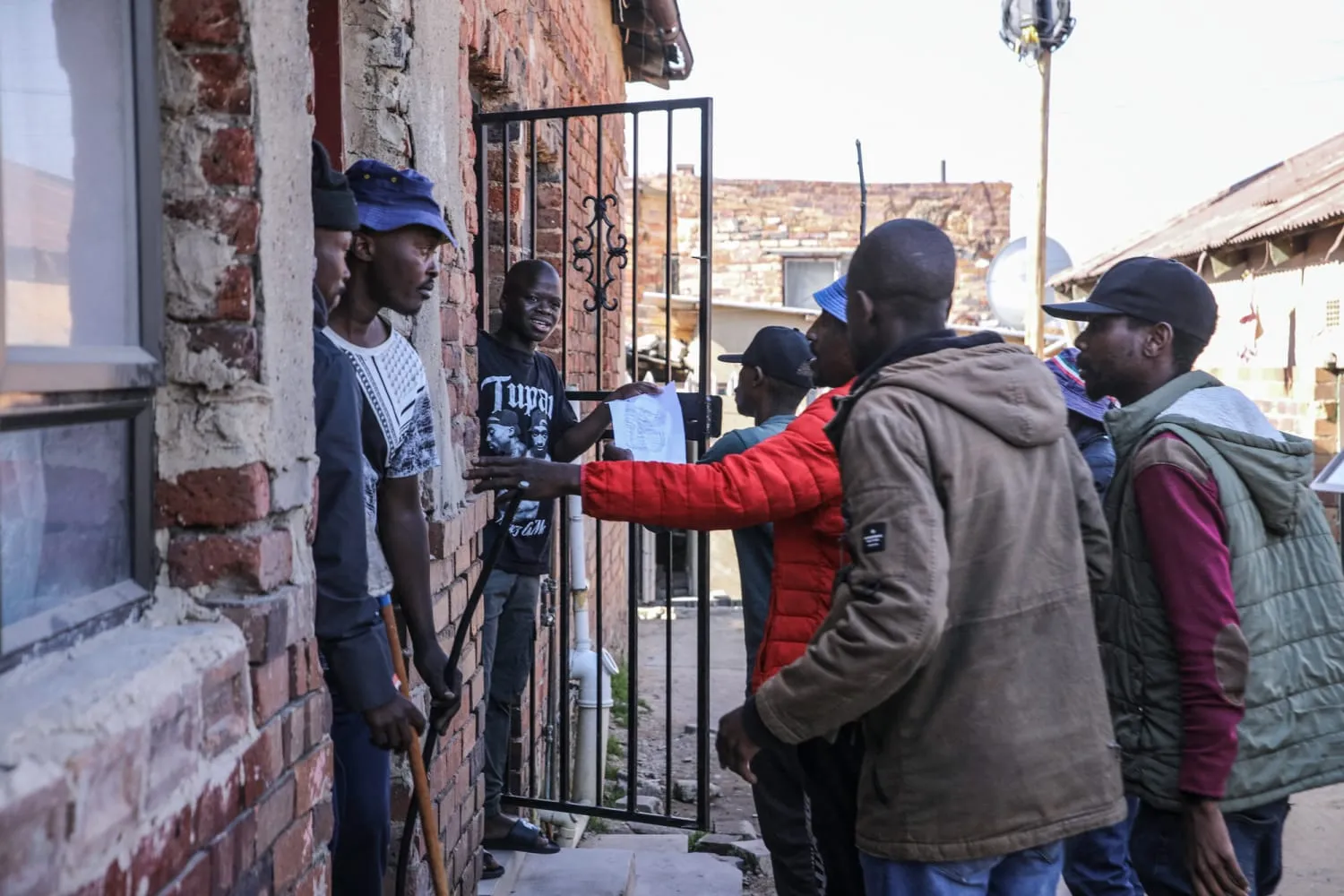
At the diplomatic level, South Africa remains one of Africa’s most influential states and a critical player in regional affairs.
At the grassroots level, foreign nationals periodically find themselves caught in social and economic tensions that extend far beyond immigration itself.
This helps explain why Pretoria is keen to distinguish between isolated incidents of violence and South Africa’s broader foreign policy posture.
Officials argue that criticism of xenophobic attacks should not be conflated with the country’s relationships with neighbouring governments.
Beyond symbolism
The decision to invoke Ruto’s visit also illustrates the growing importance of symbolism in international politics.
State visits are no longer merely ceremonial occasions marked by speeches and official dinners.
They become political signals.
Photographs of leaders shaking hands, signing agreements and appearing together before cameras often take on lives of their own long after the visits themselves have concluded.
In this case, South Africa is using Ruto’s presence in Pretoria as evidence that African governments continue to engage with the country despite criticism surrounding xenophobia.
Whether that argument persuades sceptics may depend on developments beyond diplomatic meeting rooms.
For many observers, the more important measure is whether foreign nationals living in South Africa feel protected, respected and secure.
A question of perception
Ultimately, the debate exposes a challenge facing governments around the world.
International reputation is shaped not only by foreign policy but also by domestic realities.
South Africa can point to state visits, business forums and regional partnerships as proof of its continuing influence.
Critics can point to evacuation flights, migrant testimonies and recurring tensions involving foreign nationals as evidence that deeper issues remain unresolved.
Both narratives now exist simultaneously.
Also Read: South Africa’s xenophobia crisis: Why anti-migrant violence keeps returning
And as Pretoria works to defend its image on the continent, President Ruto’s June visit has unexpectedly become part of that broader conversation — a diplomatic gesture transformed into political evidence in a debate that extends far beyond the meeting rooms where it began.
At one level, this is a story about a state visit.
At another, it is a story about how nations balance international diplomacy with domestic realities, and how perceptions of belonging, security and identity continue to shape Africa’s political landscape.
For South Africa, the challenge is no longer simply proving that it remains connected to the continent.
It is convincing both its neighbours and the migrants who live within its borders that those connections remain meaningful beyond the symbolism of official visits.